 Back
BackGenetic Analysis of Biological Processes: Model Systems, Cell Cycle, and Flower Development
Study Guide - Smart Notes
 Tailored notes based on your materials, expanded with key definitions, examples, and context.
Genetic Analysis of Biological Processes
Introduction to the Genetic Approach
The genetic approach is a powerful method for studying biological processes by identifying and analyzing mutants with defects in the process of interest. Unlike biochemical or cell biological approaches, genetics focuses on the consequences of gene mutations to infer gene function and pathway structure.
Mutant Identification: Mutants can be found either spontaneously (natural errors or mutagens) or induced (using chemicals or radiation to increase mutation rates).
Screening: Populations are exposed to mutagens, and individuals with altered phenotypes are isolated for further study.
Example: Beadle and Tatum’s work with Neurospora led to the one gene–one enzyme hypothesis by isolating auxotrophic mutants.
Steps in Genetic Analysis
Determine if mutations are dominant or recessive.
Characterize mutant phenotypes in detail.
Identify the number of genes involved using complementation tests.
Name mutants and the genes they identify.
Map and identify the mutated gene in the genome.
Model Organisms in Genetics
Why Use Model Systems?
Model organisms are species that are easy to manipulate genetically and have biological processes conserved across species. Discoveries in these organisms often apply to more complex species, including humans.
Examples: Saccharomyces cerevisiae (yeast), Arabidopsis thaliana (plant), Escherichia coli (bacteria), Drosophila melanogaster (fruit fly), Mus musculus (mouse).
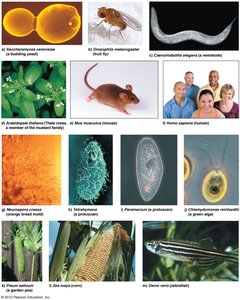
Genetic Analysis of the Eukaryotic Cell Cycle
Yeast as a Model for Cell Cycle Regulation
The budding yeast Saccharomyces cerevisiae is a single-celled eukaryote used to study the cell cycle. Its simplicity and genetic tractability make it ideal for identifying genes controlling cell division.
Cell Cycle Phases: G1 (gap 1), S (DNA synthesis), G2 (gap 2), M (mitosis).
Key Concept: The cell cycle is regulated by a series of checkpoints and gene products that ensure proper division and DNA integrity.
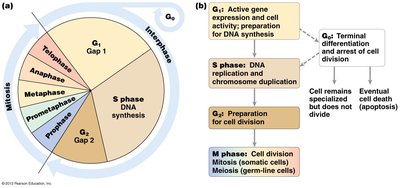
Hartwell’s Genetic Screen for Cell Cycle Mutants
Hartwell and colleagues mutagenized yeast and screened for temperature-sensitive mutants that could not complete the cell cycle at restrictive temperatures. These mutants, called cdc (cell division cycle) mutants, arrested at specific stages, revealing genes essential for each step.
Replica Plating: Technique used to identify mutants by transferring colonies to plates at different temperatures.
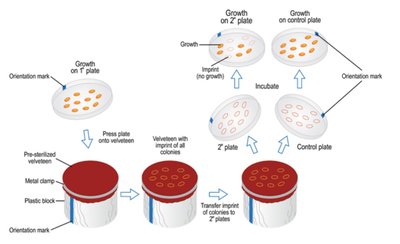
Phenotypic Analysis: Each cdc mutant arrested at a characteristic cell cycle stage, indicating the function of the mutated gene.
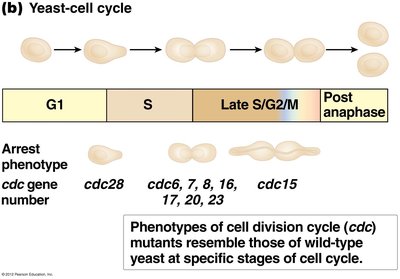
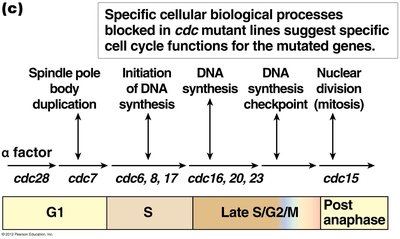
Conservation: Many cdc genes are conserved in all eukaryotes, including humans, and control the cell cycle in other species as well.
Significance of the Model System Approach
Genes identified in yeast often have homologs in humans, performing similar functions.
Model systems allow for rapid genetic manipulation and discovery of fundamental biological mechanisms.
Genetic Analysis of Flower Development in Arabidopsis thaliana
Introduction to Arabidopsis thaliana as a Model Plant
Arabidopsis thaliana is a small flowering plant widely used as a model for plant genetics and development. Its short life cycle and simple genome facilitate genetic studies.
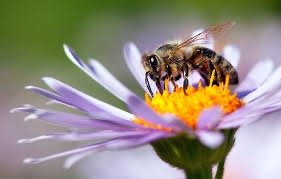
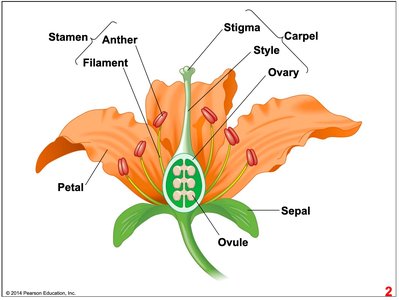
Organization of the Flower
The flower of Arabidopsis is organized into four concentric whorls, each giving rise to a specific organ type:
Whorl 1: Sepals
Whorl 2: Petals
Whorl 3: Stamens (male reproductive organs)
Whorl 4: Carpels (female reproductive organs)
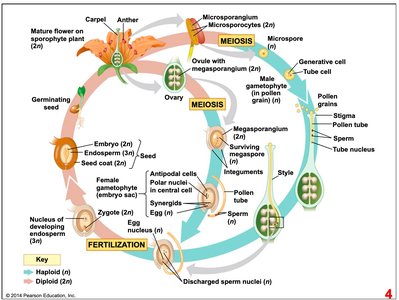
Mutant Screens and the ABC Model
Mutagenesis screens in Arabidopsis identified three main classes of mutants, each affecting specific whorls and organ identities. This led to the formulation of the ABC model of flower development.
Class A mutants: Affect whorls 1 and 2 (sepals and petals).
Class B mutants: Affect whorls 2 and 3 (petals and stamens).
Class C mutants: Affect whorls 3 and 4 (stamens and carpels).
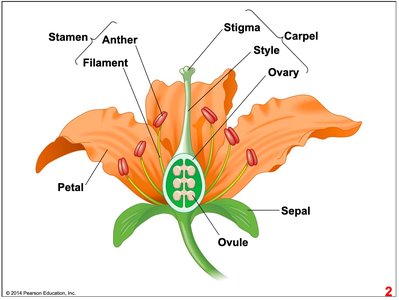
The ABC Model of Flower Development
The ABC model proposes that three classes of genes (A, B, and C) act in combination to specify the identity of each floral organ:
Whorl 1 (A only): Sepal
Whorl 2 (A + B): Petal
Whorl 3 (B + C): Stamen
Whorl 4 (C only): Carpel
Mutations in these genes alter the combination present in each whorl, leading to homeotic transformations (e.g., petals replaced by sepals).
Key Features of the ABC Model
Genes are expressed in specific whorls.
Combinatorial gene action determines organ identity.
Class A and C genes repress each other’s expression.
Genes encode transcription factors that regulate downstream targets.
Experimental Validation
Double mutants and gene expression studies confirmed the model’s predictions.
Transcription factors encoded by ABC genes are expressed in the predicted domains and interact as predicted.
Summary Table: The ABC Model of Flower Development
Whorl | Gene(s) Active | Organ Produced |
|---|---|---|
1 | A | Sepal |
2 | A + B | Petal |
3 | B + C | Stamen |
4 | C | Carpel |
Key Terms and Concepts
Mutagenesis: The process of inducing mutations to study gene function.
Model organism: A species used for genetic studies due to its experimental advantages and relevance to other species.
Complementation test: A genetic test to determine if mutations affect the same or different genes.
Homeotic transformation: Replacement of one organ type with another due to mutation in developmental genes.
Transcription factor: A protein that regulates gene expression by binding to DNA.
Equations and Formulas
Genetic Complementation: If two mutants with the same phenotype are crossed and the offspring are wild-type, the mutations are in different genes (complementation). If the offspring are mutant, the mutations are in the same gene (non-complementation).
Conclusion
Genetic analysis using model organisms has revealed fundamental principles of biological regulation, such as the control of the cell cycle and the genetic specification of organ identity. These discoveries have broad implications for understanding development, disease, and evolution in all eukaryotes.
