 Back
BackGenetic Analysis of Biological Processes: Model Systems, Mutant Screens, and Developmental Genetics 19
Study Guide - Smart Notes
 Tailored notes based on your materials, expanded with key definitions, examples, and context.
Genetic Analysis of Biological Processes
Introduction to the Genetic Approach
The genetic approach to studying biological processes involves identifying and analyzing mutants with defects in a process of interest. By characterizing these mutants, geneticists can infer the roles of specific genes and proteins in complex biological pathways. This approach is distinct from biochemical or cell biological methods, as it relies on the power of mutation and genetic screening to reveal gene function.
Mutants are organisms with heritable changes in their DNA that result in altered phenotypes.
Mutants can be spontaneous (arising naturally) or induced (created by exposure to mutagens such as chemicals or radiation).
Genetic screens are systematic searches for mutants with specific phenotypes, allowing the identification of genes involved in a process.
Types of Mutagenesis
Spontaneous Mutagenesis: Occurs due to natural errors in DNA replication or exposure to environmental mutagens (e.g., X-rays, UV light). Produces few mutants and is a slower process.
Induced Mutagenesis: Involves treating populations with mutagens (e.g., EMS, X-rays) to increase mutation rates, generating more mutants quickly.
Steps in a Genetic Screen
Expose a population to a mutagen.
Screen for mutants with the phenotype of interest.
Characterize mutants: Determine dominance/recessiveness, phenotype details, and perform complementation tests to identify the number of genes involved.
Name mutants and map the mutated genes.
Classic Examples of Genetic Screens
Beadle and Tatum's Neurospora Screen
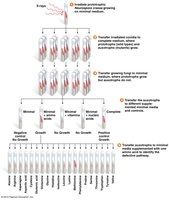
Beadle and Tatum used Neurospora crassa to identify genes involved in biosynthetic pathways by isolating auxotrophic mutants (unable to synthesize specific vitamins or amino acids). Their work established the one gene–one enzyme hypothesis.
Mutagenized haploid spores to introduce random mutations.
Screened for mutants unable to grow on minimal media, indicating a biosynthetic defect.
Jacob and Monod's lac Operon Mutants in E. coli
Jacob and Monod identified three classes of E. coli mutants affecting lactose metabolism:
lac- mutants: Unable to use lactose as an energy source.
lacC mutants: Express lac operon genes constitutively.
lacIS mutants: Never express lac operon genes, even in the presence of lactose (superrepressor).
Genetic Analysis in Model Organisms
Model Systems in Genetics
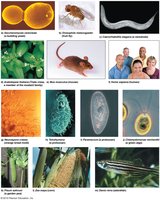
Model organisms are species that are easy to manipulate genetically and provide insights applicable to other species due to gene conservation. Common model organisms include Saccharomyces cerevisiae (yeast), Arabidopsis thaliana (plant), Drosophila melanogaster (fruit fly), and Escherichia coli (bacterium).
Genes identified in model organisms are often homologous to genes in humans and other species, performing similar functions.
Genetic Analysis of the Eukaryotic Cell Cycle in Yeast
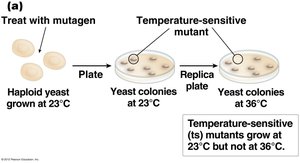
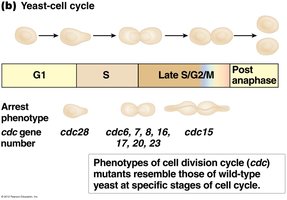
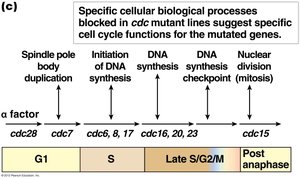
Yeast (Saccharomyces cerevisiae) is a single-celled eukaryote used to study fundamental cellular processes, including the cell cycle. Hartwell and colleagues performed mutagenesis and screened for temperature-sensitive mutants that could not complete the cell cycle, identifying cdc (cell division cycle) genes.
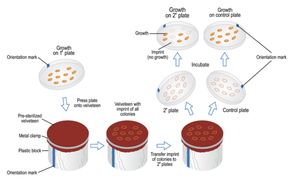
Mutagenized yeast were grown at a permissive temperature (23°C), then replica plated and tested at a restrictive temperature (36°C) to identify mutants unable to grow at the higher temperature.
Each cdc mutant arrested at a specific stage of the cell cycle, indicating the gene's role in that step.
These genes were later found to be conserved in all eukaryotes, including humans.
Model System Approach
Studying simpler organisms can reveal principles applicable to more complex species due to gene conservation. This is known as the model system approach.
Genetic Analysis of Flower Development in Arabidopsis thaliana
Arabidopsis as a Model for Plant Development
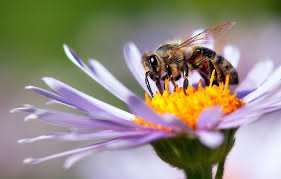
Arabidopsis thaliana is a small flowering plant widely used as a model system in plant genetics. It has a short life cycle and is genetically tractable.

Organization of the Arabidopsis Flower
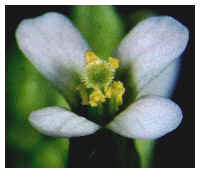
The Arabidopsis flower is organized into four concentric whorls, each giving rise to a different floral organ:
Whorl 1: Sepals
Whorl 2: Petals
Whorl 3: Stamens (male gametes)
Whorl 4: Carpels (female gametes)
Mutant Screens and the ABC Model of Flower Development
The Meyerowitz lab performed mutagenesis and identified three main classes of flower mutants, each affecting specific whorls. Analysis of these mutants led to the formulation of the ABC model of flower development.
Class A mutants: Affect whorls 1 and 2 (sepals and petals).
Class B mutants: Affect whorls 2 and 3 (petals and stamens).
Class C mutants: Affect whorls 3 and 4 (stamens and carpels).
The ABC Model Explained
The ABC model proposes that three classes of genes (A, B, and C) are expressed in overlapping domains to specify organ identity in each whorl:
Whorl 1: A genes only → Sepal
Whorl 2: A + B genes → Petal
Whorl 3: B + C genes → Stamen
Whorl 4: C genes only → Carpel
Mutations in these genes alter the identity of the organs formed in each whorl. The model also predicts that A and C genes repress each other's expression.
Experimental Validation and Molecular Mechanisms
Further genetic and molecular analysis showed that the ABC genes encode transcription factors expressed in the predicted whorls. These transcription factors form complexes that regulate downstream target genes, specifying organ identity. Double mutant analysis confirmed the combinatorial control of organ identity.
Transcription factors are expressed in specific whorls and interact to control gene expression.
Combinatorial action of these factors determines the fate of each whorl.
Summary Table: Key Steps in Genetic Analysis of Biological Processes
Step | Description | Example |
|---|---|---|
Mutagenesis | Introduce mutations into a population | EMS treatment of yeast or Arabidopsis |
Screening | Identify mutants with desired phenotype | Temperature-sensitive yeast mutants, Arabidopsis flower mutants |
Phenotypic Analysis | Characterize mutant phenotypes in detail | Cell cycle arrest points, altered floral organs |
Genetic Mapping | Determine which gene is mutated | cdc genes in yeast, ABC genes in Arabidopsis |
Molecular Identification | Identify gene product and function | Transcription factors in flower development |
Additional info: The ABC model is a foundational concept in developmental genetics, illustrating how combinatorial gene expression patterns control organ identity. The use of model organisms and genetic screens has been essential in uncovering conserved genetic pathways across species.
