 Back
Genetic Engineering: Concepts, Methods, and Applications
Study Guide - Smart Notes
 Tailored notes based on your materials, expanded with key definitions, examples, and context.
Genetic Engineering: Overview
Definitions and Key Terminology
Genetic engineering is the deliberate modification of the characteristics of an organism by manipulating its genetic material. This field is central to modern genetics and biotechnology, enabling the creation of genetically modified organisms (GMOs) and transgenic organisms.
Genetic Engineering: The process of altering the genetic material of an organism to achieve desired traits.
GMO (Genetically Modified Organism): An organism whose genome has been modified using genetic engineering techniques.
Recombinant DNA: DNA formed artificially by combining genetic material from different sources.
Transgenic Organism: An organism that has received foreign DNA through artificial means.
Applications of Genetic Engineering
Producing Human Insulin in Bacteria
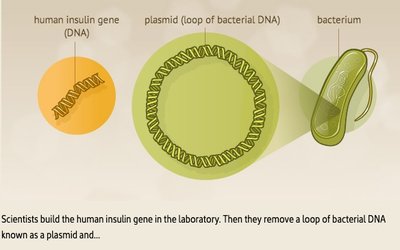
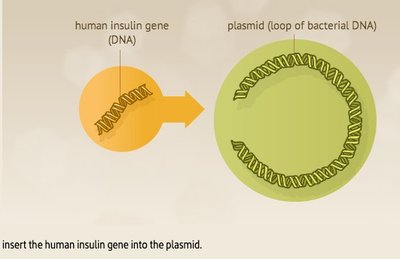
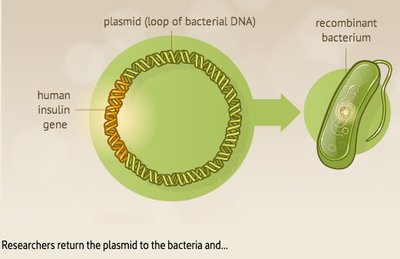
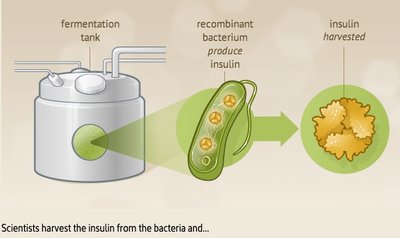
One of the most significant applications of genetic engineering is the production of human insulin using bacteria. This process involves recombinant DNA technology, which allows the human insulin gene to be inserted into bacterial plasmids, enabling bacteria to produce insulin.
Step 1: Scientists build the human insulin gene in the laboratory and remove a loop of bacterial DNA known as a plasmid.
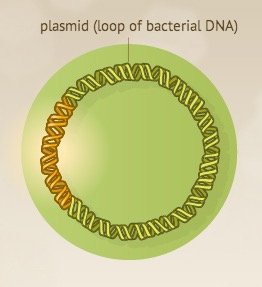
Step 2: The human insulin gene is inserted into the plasmid.
Step 3: The recombinant plasmid is returned to the bacterium, creating a recombinant bacterium.
Step 4: The recombinant bacterium produces insulin, which is harvested for medical use.
Example: This method is used to produce insulin for diabetic patients, replacing animal-derived insulin and improving safety and efficacy.
Genetic Engineering in Plants
Roundup Ready Crops and Glyphosate Resistance
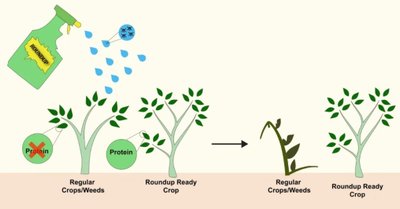
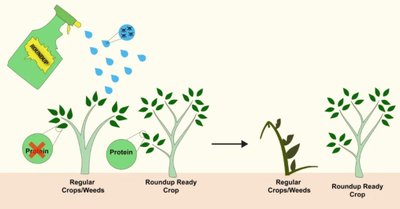
Genetic engineering is widely used in agriculture to create crops resistant to herbicides such as glyphosate (Roundup). This is achieved by inserting a gene variant (EPSPS) from a bacterium into plants, making them resistant to glyphosate.
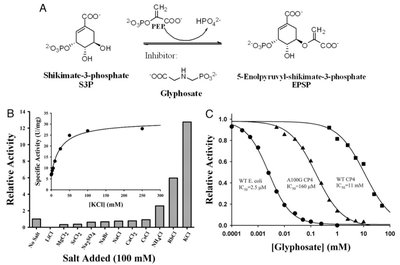
EPSPS Gene: 5-enolpyruvoyl-shikimate-3-phosphate synthetase gene from Agrobacterium is inserted into plants.
Glyphosate Action: Glyphosate inhibits the EPSPS enzyme, disrupting the shikimate pathway and killing plants without the resistant gene.
GMO Crops: Only plants with the inserted EPSPS gene survive glyphosate treatment.
Prevalence: In the US, 89% of corn, 94% of soybeans, and 89% of cotton are genetically modified for glyphosate resistance.
Example: Roundup Ready crops allow farmers to control weeds without harming the crop, increasing agricultural efficiency.
Transgenics and Genome Editing Terminology
Gene Knockouts, Knock-ins, and Knock-downs
Transgenic techniques allow precise manipulation of gene function in organisms, often used in research and biotechnology.
Knock-out: Elimination of gene function by replacing most of the coding sequence with a selectable marker, often via homologous recombination.
Knock-in: Gain of function mutation by reinserting the correct gene or another gene for a specific purpose.
Knock-down: Reduction of gene product levels, typically using small interfering RNAs (siRNAs).
Gene Knockouts, Transgenics, and Genome Editing in Mice
Embryonic Stem (ES) Cells and Chimeric Mice
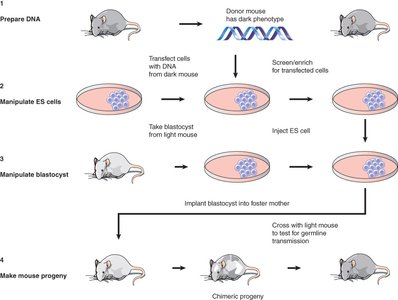
Embryonic stem cells are used to generate mouse chimeras, which are essential for studying gene function and creating genetically modified mouse models.
ES Cell Injection: ES cells are injected into a mouse blastocyst, generating descendant cells that become part of a chimeric adult mouse.
Germline Transmission: If ES cells contribute to the germline, the next generation of mice may be derived from the ES cell.
Transfection: Genes can be added to the mouse germline by transfecting them into ES cells before adding them to the blastocyst.
Heterozygote vs. Chimeric
Understanding the difference between heterozygous and chimeric organisms is crucial in genetic engineering.
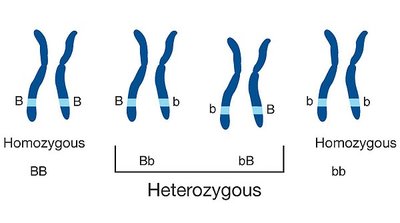
Heterozygote: An organism with two different alleles at a specific gene locus (e.g., Bb).
Chimeric: An organism composed of cells from two different zygotes, often resulting from ES cell injection.
Genetic Engineering with CRISPR
Transgenics and Direct Germline Modification
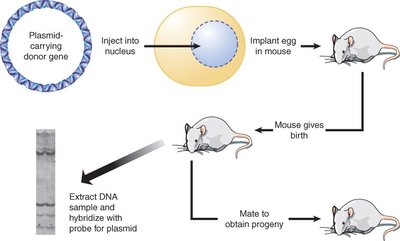
CRISPR technology enables the introduction of DNA directly into the germline of animals, facilitating genome editing with high precision.
Transgenics: Organisms created by introducing DNA prepared in vitro into the germline.
Insertion Frequency: The frequency of successful DNA insertion is typically low, but CRISPR increases efficiency.
Extrachromosomal DNA: The introduced DNA may integrate into the genome or exist as an extrachromosomal structure.
Summary Table: Genetic Engineering Terms
Term | Definition | Example/Application |
|---|---|---|
GMO | Genetically Modified Organism | Roundup Ready crops |
Recombinant DNA | DNA from multiple sources | Human insulin production in bacteria |
Transgenic Organism | Organism with foreign DNA | Transgenic mice for research |
Knock-out | Gene function eliminated | Mouse models for disease |
Knock-in | Gene function added | Gene therapy research |
Knock-down | Reduced gene expression | siRNA studies |
Additional info: The notes expand on brief points to provide academic context, including definitions, examples, and diagrams for clarity. All images included are directly relevant to the adjacent explanations, reinforcing key concepts in genetic engineering.
