 Back
Genetic Engineering Tools: Reporter Genes, CRISPR-Cas9, and Gene Drive Systems
Study Guide - Smart Notes
 Tailored notes based on your materials, expanded with key definitions, examples, and context.
Systems for Genetic Engineering
Reporter Constructs and Transgenes
Reporter genes are artificial genetic constructs used to visualize patterns of endogenous gene expression. They are essential tools in genetics for studying gene regulation, expression, and function in various organisms.
Reporter Constructs: Created by cloning an entire gene and its regulatory region, then replacing the endogenous gene with a reporter gene (such as GFP or lacZ).
Visualization: Reporter genes allow researchers to track gene expression in living cells and tissues.
Common Reporter Genes: Green Fluorescent Protein (GFP) and lacZ are widely used.
Applications: Used to confirm and extend knowledge about gene expression patterns, tissue specificity, and gene regulation.
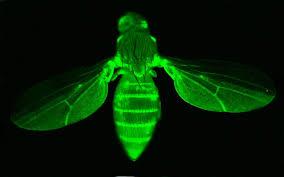
Green Fluorescent Protein (GFP)
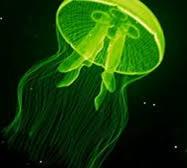
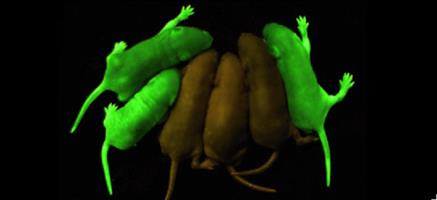
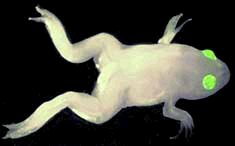
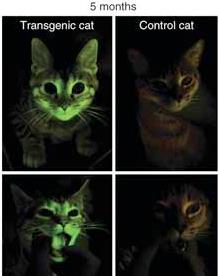
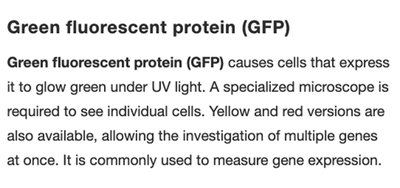
GFP causes cells that express it to glow green under UV light. It is commonly used to measure gene expression and can be visualized with specialized microscopes. Variants such as yellow and red fluorescent proteins allow investigation of multiple genes simultaneously.
LacZ Reporter Gene and Blue-White Screening
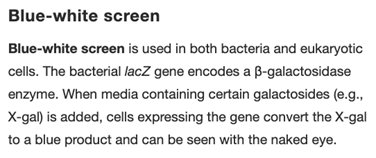
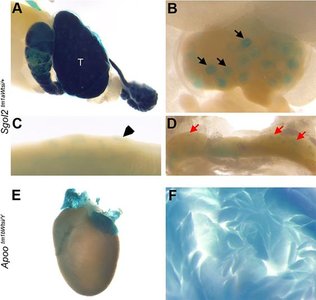
The lacZ gene encodes β-galactosidase, which converts X-gal to a blue product. This allows for easy visualization of gene expression in both bacteria and eukaryotic cells.
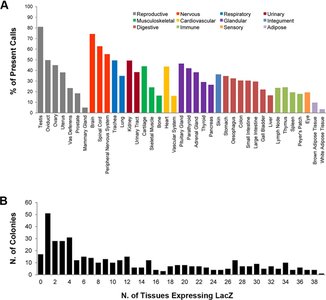
Key Observations:
Many genes are active in some tissues, while few are active in others.
Most genes analyzed are tissue-specific.
CRISPR-Cas9: A Revolution in Genetic Engineering
Introduction to CRISPR
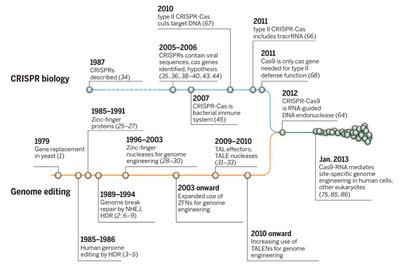
CRISPR (Clustered Regularly Interspaced Short Palindromic Repeats) is a revolutionary tool for genome editing. It allows precise targeting and modification of DNA sequences in living cells.
Function: Targets specific DNA sections, makes precise cuts, and can disrupt or replace genes.
Applications: Gene knockout, gene replacement, and correction of genetic mutations.


CRISPR-Cas9 Mechanism
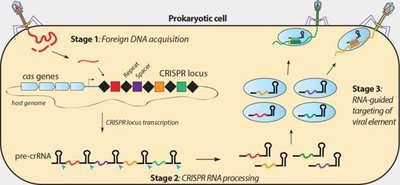
CRISPR-Cas9 evolved as a bacterial defense system against viruses. Bacteria recognize and silence viral DNA using CRISPR regions and the Cas9 enzyme.
Spacer Sequences: Segments of viral DNA are stored in CRISPR arrays and transcribed into RNA.
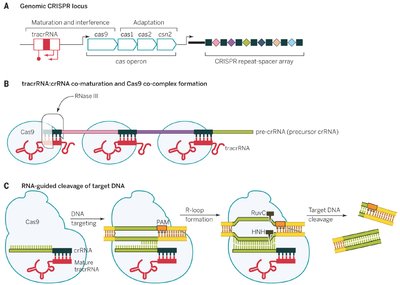
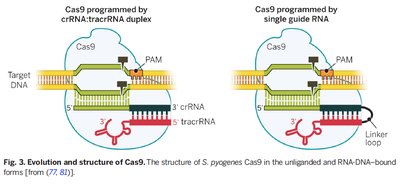
Cas9 Enzyme: Guided by CRISPR RNA (crRNA) and transactivating CRISPR RNA (tracrRNA) to cut target DNA.
Major Innovation: Single Guide RNA (sgRNA)
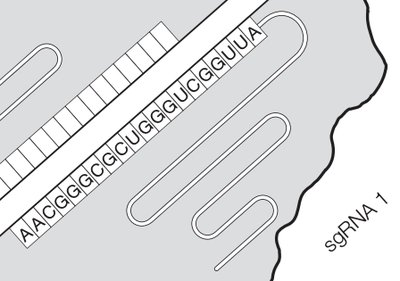
The combination of tracrRNA and crRNA into a single guide RNA (sgRNA) simplifies the system for genome editing.
Types of DNA Repair in CRISPR Editing
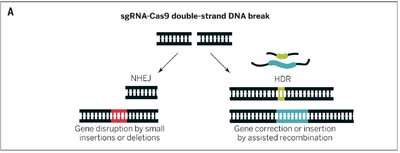
After Cas9 creates a double-strand break, two main repair pathways are possible:
NHEJ (Non-Homologous End Joining): Results in gene disruption by small insertions or deletions.
HDR (Homology Directed Repair): Allows gene correction or insertion using a DNA template.
Designing a CRISPR Experiment
To design a CRISPR experiment, the following components are required:
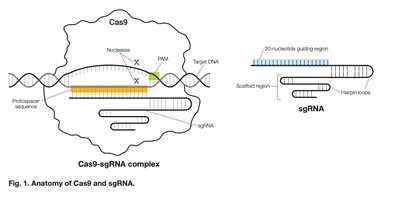
Cas9 Enzyme: Bacterial endonuclease that cuts DNA at a specific site.
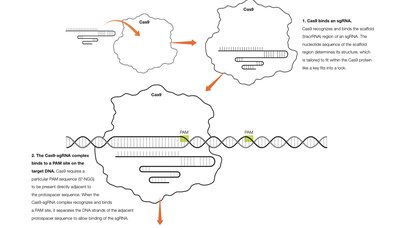
Single Guide RNA (sgRNA): Engineered RNA that directs Cas9 to the target DNA sequence.
Protospacer Adjacent Motif (PAM): Sequence required for Cas9 recognition and binding (5'-NGG).

Applications of CRISPR-Cas9
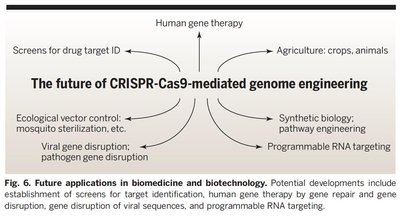
CRISPR-Cas9 has broad applications in biomedicine and biotechnology:
Human gene therapy
Agriculture (crops, animals)
Ecological vector control (e.g., mosquito sterilization)
Synthetic biology and pathway engineering
Programmable RNA targeting
Viral gene disruption
Gene Drive Systems
Gene Drive Mechanism
Gene drive systems are genetic engineering tools designed to spread a specific gene throughout a population by biasing inheritance patterns. They are used for population-wide genetic modifications, such as viability knockout or skewed sex ratios.
Step 1: Insertion of endonuclease gene
Step 2: Endogenous expression and cutting of wild type chromosome
Step 3: Homology Directed Repair incorporates the endonuclease gene into the wild type chromosome
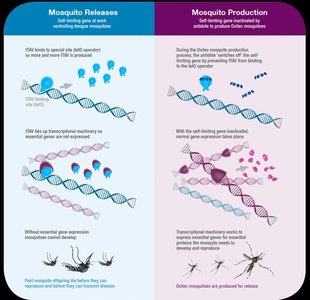
Applications in Mosquito Control
Gene drives can be used to insert parasite resistance genes or control mosquito populations, offering potential solutions for disease vector management.


Summary Table: Reporter Genes and CRISPR Components
Reporter Gene | Function | Visualization |
|---|---|---|
GFP | Fluorescence under UV | Microscope |
lacZ | Blue product with X-gal | Naked eye |
CRISPR Component | Function |
|---|---|
Cas9 | DNA endonuclease, creates double-strand breaks |
sgRNA | Guides Cas9 to target DNA sequence |
PAM | Required for Cas9 binding and activity |
Additional info: These notes expand on the original content by providing definitions, examples, and context for the use of reporter genes, CRISPR-Cas9, and gene drive systems in genetic engineering. The tables summarize key properties and functions for quick reference.
