 Back
BackGenetic Linkage, Mapping, and Sex Determination: Advanced Genetics Study Notes
Study Guide - Smart Notes
 Tailored notes based on your materials, expanded with key definitions, examples, and context.
Genetic Linkage and Mapping in Eukaryotes
Introduction to Mendelian and Non-Mendelian Inheritance
Mendelian inheritance describes the transmission of genetic traits according to Gregor Mendel's laws, which include the Law of Segregation and the Law of Independent Assortment. However, many traits do not follow simple Mendelian ratios due to factors such as gene linkage, polygenic inheritance, multiple alleles, and gene-environment interactions.
Law of Segregation: Alleles for a gene separate during gamete formation, with each gamete receiving only one allele.
Law of Independent Assortment: Alleles of different genes assort independently during gamete formation.
Non-Mendelian inheritance: Includes phenomena such as gene linkage, sex-linkage, and gene interactions.
Genetic Linkage
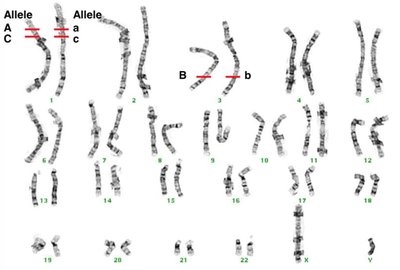
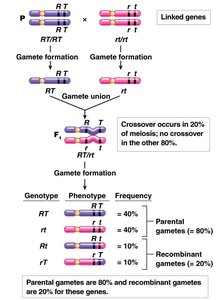
Genetic linkage occurs when genes are located close together on the same chromosome (syntenic), resulting in their co-inheritance more frequently than expected by independent assortment. Linked genes can be separated by crossing over, but this occurs at a lower frequency.
Linked genes: Genes located near each other on the same chromosome and inherited together.
Crossing over: The exchange of genetic material between homologous chromosomes during meiosis, which can separate linked genes.
Recombination frequency: The proportion of recombinant offspring, used to estimate the physical distance between genes.
Quantifying Linkage: Genetic Maps
The frequency of recombination between genes is used to construct genetic maps, which show the relative positions of genes on a chromosome. The centiMorgan (cM) is a unit of measurement for genetic distance, where 1 cM corresponds to a 1% recombination frequency.
Genetic map: A diagram showing the relative positions of genes based on recombination frequencies.
centiMorgan (cM): 1 cM = 1% recombination frequency.
Independent assortment: Genes with a recombination frequency of 50 cM assort independently.
Linkage Analysis in Humans: LOD Score
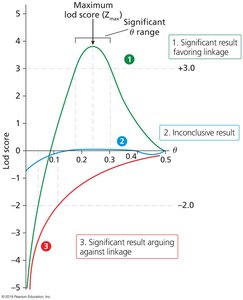
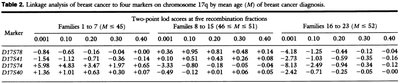
Linkage analysis in humans often uses the Logarithm of Odds (LOD) score to statistically determine whether two loci are linked. LOD scores greater than 3 indicate significant evidence for linkage, while scores less than -2 argue against linkage.
LOD score: , where is the likelihood of linkage at recombination frequency .
Significance: LOD > 3 (linked), LOD < -2 (not linked), -2 < LOD < 3 (inconclusive).
Application: Used to map disease genes, such as BRCA1 for breast cancer.
Marker | Families 1-7 | Families 8-15 | Families 16-23 |
|---|---|---|---|
D17S74 | 1.84 | 0.23 | -0.05 |
D17S78 | 1.81 | 0.27 | -0.06 |
D17S132 | 5.83 | 0.43 | -0.08 |
D17S796 | 1.41 | 0.27 | -0.01 |
Sex Determination and Sex Chromosome Systems
Mechanisms of Sex Determination
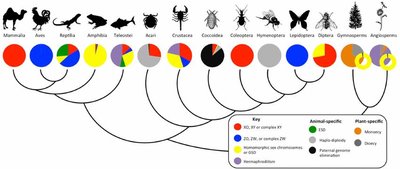
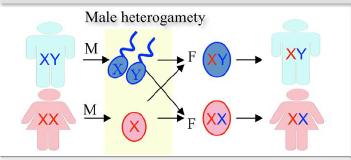
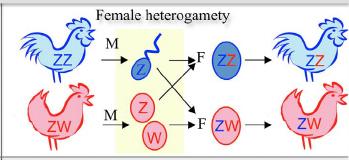
Sex determination varies widely among organisms and can be genetic or environmental. The most common systems include XX/XY (male heterogamety), ZZ/ZW (female heterogamety), and XO systems. Environmental sex determination (ESD) is also observed in some species.
Genotypic Sex Determination (GSD): Sex determined by specific chromosomes (e.g., XX/XY, ZZ/ZW, XO).
Environmental Sex Determination (ESD): Sex determined by environmental factors such as temperature.
Sexual Systems in Plants
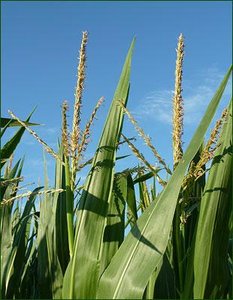
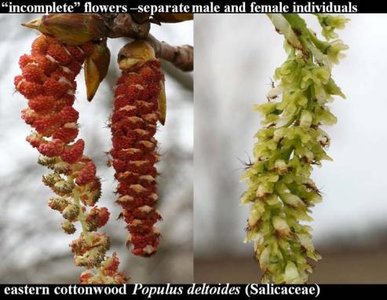
Plants exhibit a variety of sexual systems, including monomorphic (perfect flowers) and dimorphic (monoecious and dioecious species). Sex determination in plants can involve chromosomal arrangements and environmental factors.
Perfect flowers: Contain both male (stamens) and female (carpels) reproductive organs.
Monoecious: Both male and female flowers on the same plant.
Dioecious: Separate male and female plants.

Environmental Sex Determination
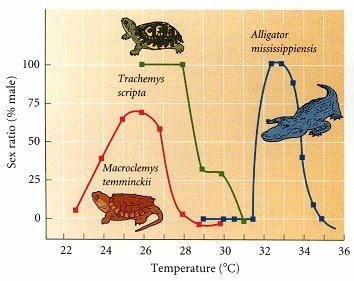
In some species, environmental factors such as temperature or social cues determine sex. Temperature-dependent sex determination (TSD) is common in reptiles, while behavioral sex determination is seen in some fish species.
TSD: Incubation temperature influences hormone activity, determining sex.
Behavioral sex determination: Sequential hermaphrodites change sex in response to social cues.
Dosage Compensation and X-Chromosome Inactivation
Dosage Compensation Mechanisms
Dosage compensation ensures equal expression of X-linked genes in males and females. Different species use different mechanisms, such as X-chromosome inactivation (XCI) in mammals, transcriptional upregulation in Drosophila, and downregulation in C. elegans.
XCI in mammals: One X chromosome in females is randomly inactivated, forming a Barr body.
Lyon hypothesis: Explains mosaic expression of X-linked traits, such as calico cat fur color.
Xist gene: Produces lncRNA that coats and inactivates the X chromosome.
Sex-Linked, Sex-Limited, and Sex-Influenced Traits
Sex-Linked Genes
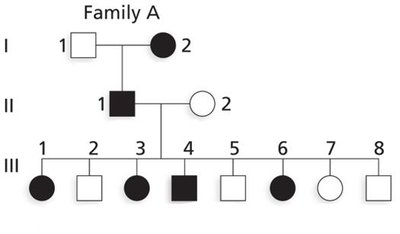
Sex-linked genes are located on sex chromosomes, most commonly the X chromosome. X-linked inheritance leads to distinct patterns, such as higher prevalence of recessive traits in males.
X-linked recessive traits: Hemophilia, red-green color blindness, Duchenne muscular dystrophy.
X-linked dominant traits: Hypophosphatemia.
Y-linked traits: Only males are affected and transmit the trait to all sons.
Sex-Influenced and Sex-Limited Traits
Sex-influenced traits are determined by autosomal genes but expressed differently in males and females. Sex-limited traits are expressed in only one sex, regardless of genotype.
Sex-influenced: Pattern baldness, horns in sheep, beards in goats.
Genotype-phenotype relationship: Heterozygous genotype may produce different phenotypes in males and females.
Genotype | Male Phenotype | Female Phenotype |
|---|---|---|
B1B1 | bald | bald |
B1B2 | bald | non-bald |
B2B2 | non-bald | non-bald |
Summary Table: Sex Determination Systems
System | Organisms | Sex Chromosomes | Sex Determining Sex |
|---|---|---|---|
XX/XY | Mammals, Drosophila | XX (female), XY (male) | Male |
ZZ/ZW | Birds, reptiles, amphibians | ZZ (male), ZW (female) | Female |
XO | Grasshoppers, some insects | XX (female), X (male) | Male |
TSD | Reptiles, turtles | None | Environment |
