 Back
BackGenetically Modified Organisms: Plants and Animals – Mechanisms, Applications, and Societal Impacts 22
Study Guide - Smart Notes
 Tailored notes based on your materials, expanded with key definitions, examples, and context.
Genetically Modified Organisms (GMOs)
Definition and Purposes
Genetically Modified Organisms (GMOs) are organisms whose genomes have been altered by human intervention. These modifications are performed to achieve specific goals in research, agriculture, and medicine.
Production of Proteins or Drugs: GMOs can be engineered to produce large quantities of proteins or pharmaceuticals in bacteria, animals, or plants.
Phenotype Modification: Genetic changes can alter the physical or biochemical traits of plants and animals.
Disease Treatment: Genetic engineering is used in gene therapy to treat human diseases.
Gene Function Analysis: Knocking out or modifying genes helps scientists understand their normal roles in cells or organisms.
Reporter Constructs: Reporter genes are inserted to study gene expression patterns.
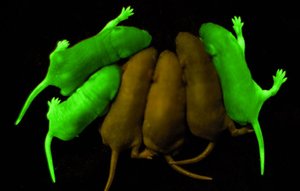
Example: The use of green fluorescent protein (GFP) as a reporter gene in mice allows visualization of gene expression in living tissues.
Genetically Modified Animals: Case Study of AquaBounty Salmon
Genetic Engineering of Salmon
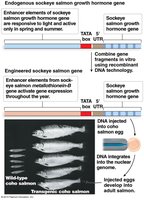
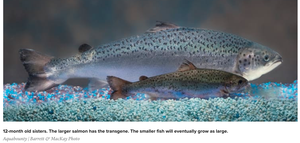
One of the most prominent examples of a genetically modified animal is the AquaBounty salmon. This fish was engineered to grow faster than wild-type salmon by modifying the regulatory elements of its growth hormone gene.
Enhancer Replacement: The normal enhancer elements upstream of the growth hormone gene were replaced with enhancers activated by low levels of metal, allowing year-round expression of growth hormone.
Growth Rate: AquaBounty salmon grow 4–6 times faster than wild-type salmon and reach market size in half the time (1.5 years vs. 3 years).
Regulatory Approval: The approval process took over 20 years, with the first commercial production in Canada and the US. The fish became the first genetically modified animal approved for human consumption in the US.
Controversy: Environmental and consumer concerns have led to legal challenges and some retailers refusing to sell the fish.
Genetically Modified Plants: Mechanisms and Applications
Agrobacterium tumefaciens and the Ti Plasmid
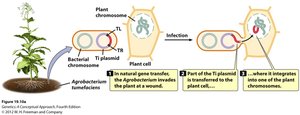
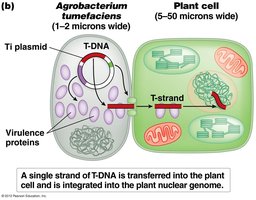
Agrobacterium tumefaciens is a soil bacterium that naturally transfers DNA to plant cells, causing crown gall disease. This ability is harnessed to create transgenic plants.
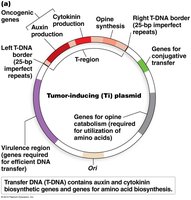
Ti Plasmid: The tumor-inducing (Ti) plasmid contains genes for transferring DNA (T-DNA) into plant cells, producing plant hormones (auxin and cytokinin), and synthesizing opines (nutrients for the bacterium).Agrobacterium tumefaciens
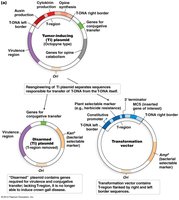
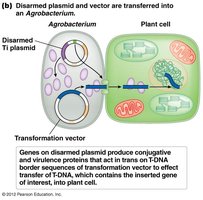
Disarmed Ti Plasmid: Scientists remove the tumor-inducing genes, creating a vector for introducing genes of interest into plants without causing disease.
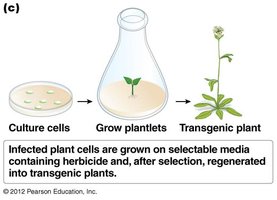
Transformation Process: The modified Ti plasmid is introduced into plant cells, which are then grown in tissue culture to regenerate whole plants.

Bt-Expressing Plants: Insect Resistance
Bacillus thuringiensis (Bt) is a bacterium that produces a protein toxic to insects. The gene encoding Bt protein has been inserted into crops to confer insect resistance.
Mechanism: When insects eat Bt-expressing plants, the protein kills them, reducing the need for chemical insecticides.
Adoption: Over 90% of soybeans and 80% of corn in the US are now Bt-modified.
Concerns: Potential harm to non-target insects, development of insect resistance, and societal opposition to GM foods.
Herbicide-Resistant Crops: 'Roundup Ready' Plants
Glyphosate (Roundup) is a widely used herbicide that inhibits the ESPS enzyme in plants, blocking amino acid synthesis. Some crops have been engineered to express a glyphosate-resistant bacterial ESPS enzyme, allowing farmers to use the herbicide without harming the crop.
Benefits: Reduced tillage and soil erosion, potential for less herbicide use.
Drawbacks: Increased herbicide use due to resistant weeds, legal and health controversies, and requirement for farmers to buy new seeds annually.
Golden Rice: Nutritional Enhancement
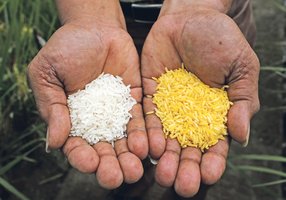
Golden Rice is a genetically modified rice variety engineered to produce beta-carotene (a precursor to vitamin A) and improve iron absorption, addressing nutritional deficiencies in populations dependent on rice.
Beta-Carotene Synthesis: Genes from daffodil and bacteria enable rice to produce beta-carotene, combating vitamin A deficiency.
Iron Absorption: Additional genes reduce phytate (which inhibits iron absorption) and enhance iron uptake.
Impact: Golden Rice is distributed free to subsistence farmers but faces opposition due to cultural preferences and activism against GMOs.
Societal and Environmental Considerations
Benefits and Risks of GMOs
Benefits: Increased crop yields, reduced pesticide use, improved nutritional content, and potential for pharmaceutical production.
Risks: Environmental impacts (e.g., resistance in pests and weeds), effects on non-target organisms, legal and ethical issues, and public opposition in various regions.
Example: Legal cases and regulatory debates continue over the safety and labeling of GMOs, with some countries banning or restricting their use.
Summary Table: Major Types of Genetically Modified Crops and Traits
Crop | Main Genetic Modification | Purpose |
|---|---|---|
Soybean | Herbicide resistance (e.g., Roundup Ready) | Weed control |
Corn | Bacillus thuringiensis (Bt) toxin gene | Insect resistance |
Rice | Beta-carotene synthesis (Golden Rice) | Vitamin A supplementation |
Canola | Herbicide resistance | Weed control |
Conclusion
Genetically modified plants and animals represent a major advancement in biotechnology, with significant implications for agriculture, medicine, and society. Understanding the molecular mechanisms, applications, and controversies surrounding GMOs is essential for modern genetics students.
