 Back
BackGenome-Wide Association Studies (GWAS): Clinical Applications and Limitations
Study Guide - Smart Notes
 Tailored notes based on your materials, expanded with key definitions, examples, and context.
Genome-Wide Association Studies (GWAS) in Genetics
Introduction to GWAS
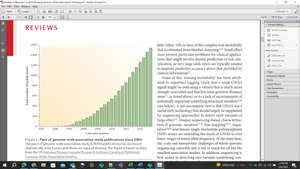
Genome-wide association studies (GWAS) are a powerful tool for identifying genetic variants associated with complex diseases and traits. Since 2005, GWAS has led to the discovery of thousands of robust associations, greatly expanding our understanding of genetic contributions to disease.
GWAS Definition: A method that scans the genome for single-nucleotide polymorphisms (SNPs) to find associations with specific traits or diseases.
Impact: Over 2,000 associations with more than 300 diseases and traits have been identified.
Clinical Relevance: GWAS findings are increasingly being considered for clinical applications, including risk prediction, disease classification, drug development, and drug toxicity assessment.
Criticisms and Limitations of GWAS
Despite its successes, GWAS faces several limitations that affect its clinical utility:
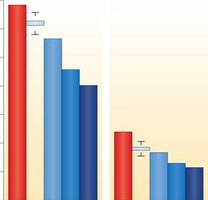
Common vs. Rare Polymorphisms: GWAS often focuses on common variants (MAF ≥ 5%), missing rare variants with potentially larger effects.
Small Effect Sizes: Most GWAS-identified variants have modest odds ratios (often <1.3), explaining only a small fraction of trait heritability.
Missing Heritability: GWAS-defined loci typically account for a limited proportion of heritability, raising questions about their predictive value.
Structural Variation: GWAS is less effective at detecting structural variants (insertions, deletions, copy number variants) that may have strong phenotypic effects.
Non-coding Regions: Over 80% of GWAS signals are found in non-coding regions, complicating functional interpretation.
Linkage Disequilibrium (LD): LD can obscure the identification of causal variants, requiring additional research to pinpoint functional genes.
GWAS and Regulatory Elements
Recent findings from the ENCODE project show that GWAS-associated SNPs often overlap with enhancer elements and transcription factor binding sites, suggesting a regulatory role for many non-coding variants.
DNase I Hypersensitive Sites: Indicate regions of open chromatin accessible to transcription machinery.
Transcription Factor Binding Sites: GWAS SNPs are more likely to overlap these sites compared to control SNP sets.
Risk Prediction and Assessment
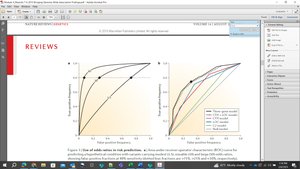
GWAS findings are used to assess disease risk, but their predictive value is often limited by small effect sizes. The area under the receiver operator characteristic (ROC) curve (AUC) is a key metric for evaluating risk prediction models.
Sensitivity and Specificity: Measures of a test's ability to correctly identify true positives and true negatives.
AUC: Ranges from 0.5 (no discrimination) to 1.0 (perfect discrimination).
Odds Ratios: High odds ratios (>50) are needed for meaningful risk prediction; most GWAS variants do not reach this threshold.
Clinical Applications of GWAS Findings
Risk Prediction
GWAS findings are most useful in risk prediction when heritability is high, a large proportion of risk is explained, and preventive strategies are available. Type 1 diabetes is a prime example, with predictive models achieving AUCs close to 0.9.
Type 1 Diabetes: Over 50 loci identified, explaining two-thirds to three-quarters of familial risk.
Genetic Risk Scores: Used to target screening and intervention in high-risk individuals.
Reclassification of Disease Risk
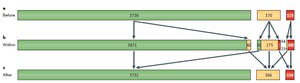
GWAS-derived genotype scores can reclassify individuals into different risk categories, improving clinical decision-making, especially for those initially classified as intermediate risk.
Disease Classification and Biomarker Identification
GWAS can identify biomarkers for disease subtypes, aiding in diagnosis and treatment selection. For example, low C-reactive protein (CRP) levels are associated with HNF1A-MODY, a monogenic form of diabetes.
HNF1A-MODY: Genetic testing and CRP levels help distinguish this subtype from other forms of diabetes.
Biomarker Utility: Biomarkers are valuable when they are easier, cheaper, and more reliable than clinical indicators.
Drug Development and Toxicity
GWAS has identified variants affecting drug response and toxicity, leading to personalized medicine approaches.
ITPA Variants: Protect against ribavirin-induced anemia in hepatitis C treatment.
SLCO1B1 Variants: Associated with increased risk of statin-induced myopathy and altered drug metabolism.
Clinical Guidelines: Genotyping for SLCO1B1 is recommended to reduce myopathy risk in simvastatin therapy.
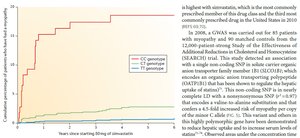
Table: Characteristics of GWAS Findings for Clinical Translation
Application | Key Characteristics | Example |
|---|---|---|
Risk prediction | High heritability, large proportion explained, targeted genotyping, increased predictive value, early detection, preventive strategies | T1DM loci |
Disease subtyping/classification | Multiple subtypes, not discernible clinically, biomarker assay easier/cheaper, affects treatment, identifies risk in relatives | CRP (or HNF1A typing) for MODY |
Drug development | Loss-of-function variants with useful biological effect | ITPA variants and ribavirin toxicity |
Drug toxicity | Common variants, large effect sizes, alternative drugs/monitoring available | SLCO1B1 variants and statins |
Conclusions: Pathways to Clinical Translation
Successful translation of GWAS findings into clinical practice depends on several factors:
Clinical Scenario: Importance of early detection, availability of alternative treatments, and accessibility of genotyping.
Variant Characteristics: Moderate allele frequencies and large effect sizes facilitate initial identification and translation.
Implementation: Requires rapid, low-cost genotyping, decision support tools, evidence standards, and integration with electronic medical records.
Interdisciplinary Collaboration: Involves genomics, molecular biology, clinical medicine, pharmacology, bioinformatics, and clinician education.
GWAS continues to be a valuable approach for identifying genetic variants with clinical relevance, and ongoing research is expected to yield further applications in risk prediction, disease classification, drug development, and toxicity assessment.
