 Back
BackGenomic Analysis, Bioinformatics, and Applications in Genetics
Study Guide - Smart Notes
 Tailored notes based on your materials, expanded with key definitions, examples, and context.
Genomic Analysis and Applications
Introduction to Genomics
Genomics is the comprehensive study of the structure, function, evolution, and mapping of genomes. It encompasses the sequencing, assembly, and analysis of the complete genetic material of organisms. Modern genomics integrates multiple 'omics' technologies and bioinformatics to understand biological systems at a molecular level.
Genomics: Study of the entire DNA content (genome) of an organism.
Transcriptomics: Analysis of RNA transcripts produced by the genome.
Epigenomics: Study of epigenetic modifications on the genome.
Metabolomics: Profiling of metabolites within a biological system.
Proteomics: Large-scale study of proteins, their structures, and functions.
Applications of genomics include genetic testing, genome-wide association studies (GWAS), and synthetic biology.
Whole Genome Sequencing and Assembly
Whole genome sequencing (WGS) determines the complete DNA sequence of an organism's genome. Assembly involves piecing together short DNA sequences into longer contiguous sequences, enabling the identification of genes and regulatory elements.
Human Genome Project: A landmark international effort to sequence the entire human genome, providing a reference for genetic studies and medical research.
Bioinformatics and Genome Databases
Bioinformatics is an interdisciplinary field combining computer science, mathematics, and statistics to analyze and interpret large biological datasets, such as DNA, RNA, and protein sequences. It is essential for managing genomic data, comparing sequences, and facilitating research.
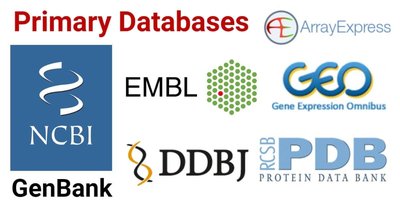
Key Databases: NCBI GenBank, EMBL, DDBJ, GEO, PDB, ArrayExpress, Ensembl, UCSC Genome Browser.
GenBank is the largest publicly available genomic database, providing accession numbers for sequence retrieval.
Bioinformatics tools enable annotation, identifying gene regulatory elements, and sequence comparison.
Sequence Similarity Search: BLAST
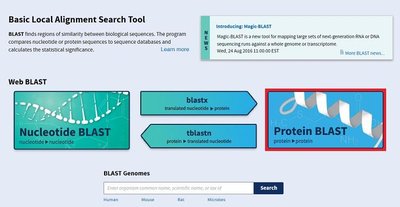
BLAST (Basic Local Alignment Search Tool) is a software used to compare nucleotide or protein sequences to sequence databases, identifying regions of similarity. It is fundamental for gene identification and annotation.
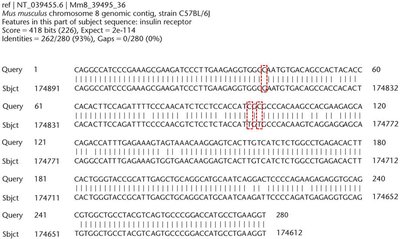
BLAST compares a query sequence to known sequences, returning matches with statistical significance.
E-value: Indicates the number of matches expected by chance; lower values signify more significant matches.
Percent identity: Proportion of identical matches between sequences.
Gene Prediction and Annotation
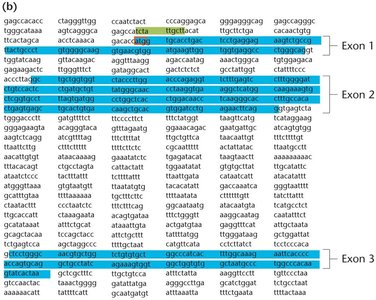
Gene prediction software uses regulatory sequences, start/stop codons, and other features to identify exons and introns within genomic DNA. Open Reading Frames (ORFs) are sequences that can be translated into proteins, typically starting with ATG and ending with TAA, TAG, or TGA.
Exons are coding regions; introns are non-coding intervening sequences.
Gene annotation involves identifying functional elements within the genome.

Open Reading Frames (ORFs) and Protein Prediction
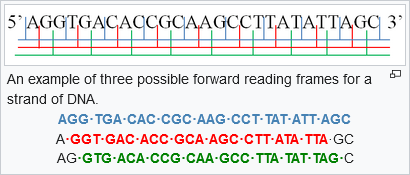
ORFs are stretches of DNA that can be translated into proteins. Identifying ORFs is crucial for predicting protein-coding genes. Each DNA strand has three possible reading frames, and the correct frame is determined by the presence of start and stop codons.
Initiation codon: ATG (codes for methionine).
Termination codons: TAA, TAG, TGA.
In RNA, thymine (T) is replaced by uracil (U).
Applications of Genomic Analysis
Genetic Testing and Medical Diagnosis
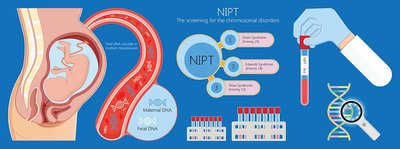
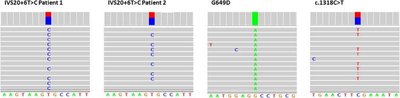
Genetic testing analyzes DNA to identify changes associated with inherited disorders, disease risk, and traits. Advances in genomics have enabled noninvasive prenatal testing (NIPT) using cell-free fetal DNA in maternal blood, as well as the identification of disease-causing mutations.
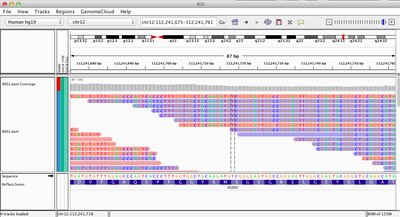
NGS (Next-Generation Sequencing) allows for rapid, high-throughput analysis of genetic variants.
Applications include carrier screening, disease risk assessment, and personalized medicine.
Genome-Wide Association Studies (GWAS)
GWAS analyze the genomes of large populations to identify genetic variants associated with diseases and traits. By comparing individuals with and without a condition, GWAS can pinpoint single nucleotide polymorphisms (SNPs) and copy number variations (CNVs) linked to disease risk.
SNP microarrays and whole genome sequencing are key tools.
Statistical analysis predicts the impact of genetic variations on disease development.
Applications include studies of autism, obesity, diabetes, cancer, and more.
Synthetic Biology
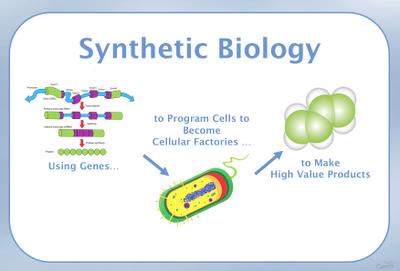
Synthetic biology applies engineering principles to design and construct new biological systems or organisms with useful functions. This includes creating microbes for clean energy, bioremediation, or the synthesis of pharmaceuticals. The field also explores the minimal genome required for life and the ethical considerations of creating synthetic organisms.
Geneticists identify essential genes and design synthetic genomes.
Applications include environmental cleanup, biofuel production, and novel therapeutics.
Summary Table: Key Bioinformatics Databases
Database | Type | Main Use |
|---|---|---|
GenBank (NCBI) | DNA/RNA/Protein | Sequence storage and retrieval |
EMBL | DNA/RNA | European sequence archive |
DDBJ | DNA/RNA | Japanese sequence archive |
GEO | Gene Expression | Expression data repository |
PDB | Protein | 3D protein structures |
ArrayExpress | Gene Expression | Microarray and sequencing data |
Key Terms and Concepts
Genomics: Study of genomes.
Bioinformatics: Computational analysis of biological data.
BLAST: Tool for sequence similarity search.
GWAS: Studies linking genetic variants to traits/diseases.
Synthetic Biology: Engineering new biological systems.
Exon/Intron: Coding/non-coding regions of genes.
ORF: Open Reading Frame, potential protein-coding sequence.
SNP: Single Nucleotide Polymorphism, a common genetic variant.
CNV: Copy Number Variation, a type of structural genetic variation.
