 Back
BackCh1 Introduction to Genetics: Foundations, Key Concepts, and Model Organisms
Study Guide - Smart Notes
 Tailored notes based on your materials, expanded with key definitions, examples, and context.
Chapter 1: Introduction to Genetics
Overview of Genetics
Genetics is the branch of biology concerned with the study of heredity and variation. It explores how traits are passed from parents to offspring and how genetic information is encoded, expressed, and inherited. The field has evolved rapidly from Mendel’s foundational work to the modern era of genomics.
Heredity: The transmission of genetic traits from one generation to the next.
Variation: Differences in genetic traits among individuals within a population.
Historical Progression of Genetics
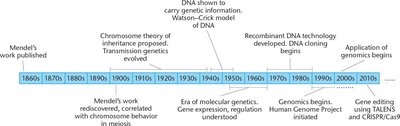
The development of genetics as a scientific discipline spans from Mendel’s experiments with pea plants to the current era of genomics. Understanding this history provides context for modern genetic research and applications.
Gregor Mendel (1860s): Demonstrated that traits are inherited in predictable patterns using pea plants.
Chromosome Theory of Inheritance (Early 1900s): Proposed that genes are located on chromosomes, which segregate during cell division.
Discovery of DNA as Genetic Material (1940s): Experiments by Avery, MacLeod, and McCarty established DNA as the molecule responsible for heredity.
Double Helix Structure (1953): Watson, Crick, and Franklin described the double helix structure of DNA, launching molecular genetics.
Modern Genomics: Advances in DNA sequencing, gene editing, and bioinformatics have revolutionized genetics.
Key Concepts in Genetics
Mendelian Genetics
Mendel’s experiments established the basic principles of inheritance, including the concepts of dominant and recessive alleles, segregation, and independent assortment.
Gene: A unit of heredity that encodes information for a specific trait.
Allele: Alternative forms of a gene (e.g., alleles for eye color).
Genotype: The set of alleles an individual possesses for a trait.
Phenotype: The observable expression of the genotype.
Chromosome Theory of Inheritance
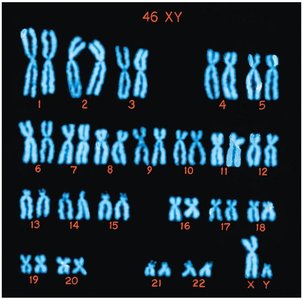
Microscopy revealed that most eukaryotes have two sets of chromosomes (diploid, 2n). Homologous chromosomes exist in pairs, and genes are located on these chromosomes. The theory explains how genetic information is transmitted through gametes, maintaining continuity across generations.
Diploid Number (2n): Total number of chromosomes in a somatic cell (e.g., humans have 46).
Homologous Chromosomes: Chromosome pairs with the same genes but possibly different alleles.
Cell Division: Mitosis and Meiosis
Eukaryotic cells divide by two processes: mitosis and meiosis. Mitosis produces genetically identical diploid cells, while meiosis generates haploid gametes, introducing genetic variation.
Mitosis: Produces two identical diploid cells for growth and repair.
Meiosis: Reduces chromosome number by half, producing haploid gametes (n).
Genetic Variation and Mutation
Genetic variation arises from mutations—heritable changes in the DNA sequence. These variations are the raw material for evolution and can affect phenotype by altering protein function.
Mutation: Any heritable change in the DNA sequence.
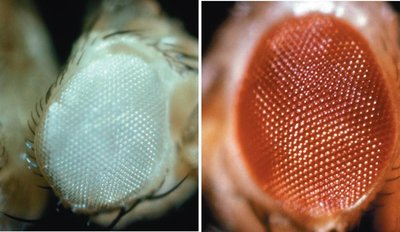
Example: The white-eyed mutation in Drosophila melanogaster is caused by a change in the gene controlling eye color.
Molecular Basis of Genetics
Chemical Nature of Genes
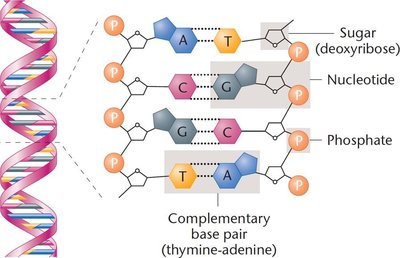
Experiments in the mid-20th century established DNA as the genetic material. DNA is a long, double-helical molecule composed of four types of nucleotides, each containing a nitrogenous base (adenine, guanine, cytosine, or thymine).
DNA: Deoxyribonucleic acid, the molecule that stores genetic information.
Nucleotide: The building block of DNA, consisting of a sugar, phosphate, and nitrogenous base.
Complementary Base Pairing: Adenine pairs with thymine, and guanine pairs with cytosine via hydrogen bonds.
RNA: Ribonucleic Acid
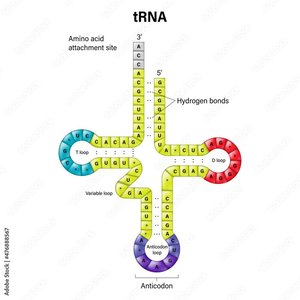
RNA is chemically similar to DNA but usually single-stranded, contains ribose sugar, and uses uracil instead of thymine. RNA plays key roles in gene expression, including acting as a messenger (mRNA), adapter (tRNA), and structural component (rRNA).
Gene Expression: From DNA to Phenotype
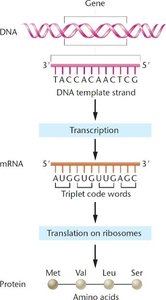
Gene expression involves two main processes: transcription and translation. During transcription, a DNA sequence is copied into mRNA. Translation uses the mRNA sequence to assemble a protein at the ribosome.
Transcription: Synthesis of mRNA from a DNA template.
Translation: Synthesis of a protein directed by the mRNA sequence, using the genetic code (codons).
Codon: A sequence of three nucleotides in mRNA that specifies an amino acid.
tRNA and Protein Assembly
Transfer RNA (tRNA) acts as an adapter during translation, recognizing codons in mRNA and delivering the correct amino acid for protein synthesis.
Proteins and Biological Function
Proteins are the end products of gene expression and perform a vast array of biological functions. They are polymers of 20 different amino acids, which contribute to their structural and functional diversity.
Enzymes: Catalyze biochemical reactions (e.g., DNA polymerase).
Structural Proteins: Provide support (e.g., collagen, actin, myosin).
Transport Proteins: Carry molecules (e.g., hemoglobin).
Hormones: Regulate physiological processes (e.g., insulin).
Linking Genotype to Phenotype: Sickle-Cell Anemia
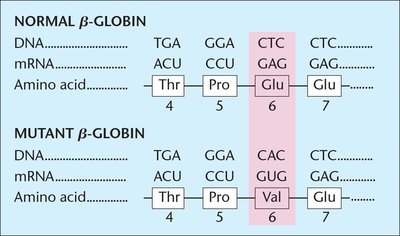
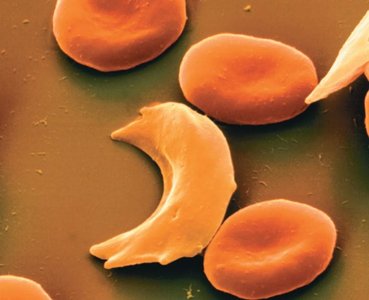
Mutations in genes can alter protein structure and function, leading to changes in phenotype. Sickle-cell anemia is caused by a single-nucleotide mutation in the gene encoding β-globin, resulting in the substitution of valine for glutamic acid. This change produces abnormal hemoglobin, causing red blood cells to become sickle-shaped and leading to various health complications.
Model Organisms in Genetics
Importance of Model Organisms
Model organisms are species that are easy to grow, have short life cycles, produce many offspring, and are amenable to genetic analysis. They are essential for studying genetic principles and human diseases.
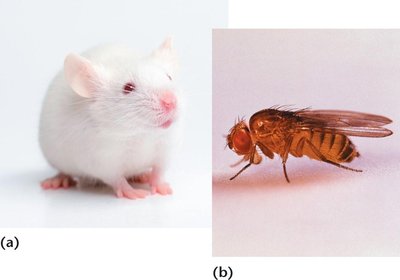
Drosophila melanogaster (fruit fly)
Mus musculus (mouse)
Danio rerio (zebrafish)
Caenorhabditis elegans (nematode)
Arabidopsis thaliana (plant)
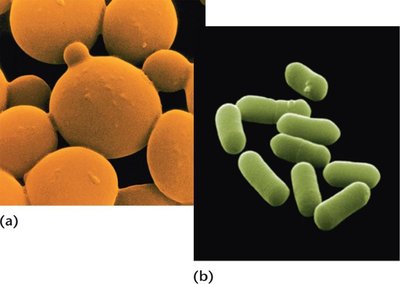
Escherichia coli (bacterium)
Saccharomyces cerevisiae (yeast)
Viruses: T-phages, lambda phages
Model Organisms and Human Disease
Genetic studies in model organisms have been instrumental in understanding and treating human diseases. Transgenic models allow researchers to study the effects of specific genes and develop therapies for genetic disorders.
Organism | Human Diseases Studied |
|---|---|
E. coli | Colon cancer and other cancers |
S. cerevisiae | Cancer, Werner syndrome |
D. melanogaster | Disorders of the nervous system, cancer |
C. elegans | Diabetes |
D. rerio | Cardiovascular disease |
M. musculus | Lesch–Nyhan syndrome, cystic fibrosis, fragile-X syndrome, and many other diseases |
Additional info: Model organisms are chosen for their genetic tractability and relevance to human biology. Their use has enabled the development of gene therapies and advanced our understanding of complex diseases.
