 Back
BackIntroduction to Genetics: Foundations, Mechanisms, and Applications
Study Guide - Smart Notes
 Tailored notes based on your materials, expanded with key definitions, examples, and context.
Introduction to Genetics
Overview and Historical Context
Genetics is the scientific study of heredity and variation in living organisms. The field has evolved from early observations of inheritance to the molecular understanding of genes and genomes. Key milestones include the formulation of the cell theory, Darwin's theory of evolution by natural selection, and Mendel's foundational experiments with pea plants.
Cell Theory: Proposed by Schleiden and Schwann in 1830, stating all living things are composed of cells.
Origin of Species: Darwin (1859) introduced 'descent with modification' and natural selection as mechanisms of evolution.
Mendelian Genetics: Mendel (1866) demonstrated that traits are inherited in predictable patterns, laying the groundwork for modern genetics.
Cell Structure and Components
Eukaryotic Cell Structure
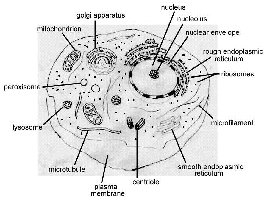
Understanding genetics requires knowledge of the cell, the fundamental unit of life. Eukaryotic cells contain membrane-bound organelles, including the nucleus, which houses genetic material.
Nucleus: Contains DNA organized into chromosomes.
Other Organelles: Mitochondria, Golgi apparatus, endoplasmic reticulum, lysosomes, and more, each with specialized functions.
Cell Division: Mitosis and Meiosis
Mechanisms of Cell Division
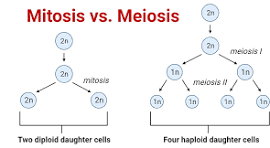
Cell division is essential for growth, development, and reproduction. There are two main types: mitosis and meiosis.
Mitosis: Produces two genetically identical diploid (2n) daughter cells for growth and tissue repair.
Meiosis: Produces four genetically unique haploid (n) gametes, enabling sexual reproduction and genetic diversity.
Chromosome Number and Structure
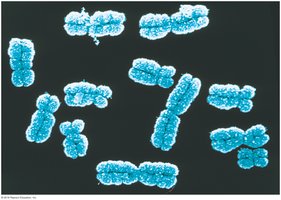
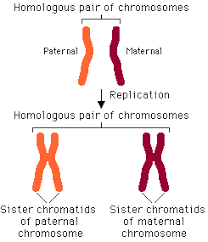
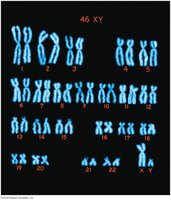
Most eukaryotes have a characteristic diploid number (2n) of chromosomes, arranged in homologous pairs. Chromosomes are duplicated and distributed during cell division to ensure genetic continuity.
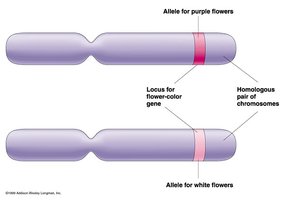
Homologous Chromosomes: Pairs of chromosomes with the same genes but possibly different alleles.
Karyotype: A visual representation of the complete set of chromosomes in a cell, used to detect abnormalities.
Chromosomal Theory of Inheritance
Genes and Chromosomes
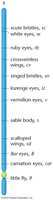
The chromosomal theory of inheritance states that genes are located on chromosomes at specific loci. Chromosomes carry genetic information and are transmitted through gametes, ensuring inheritance from one generation to the next.
Locus (plural: loci): The specific physical location of a gene on a chromosome.
Gene: A segment of DNA that encodes a functional product, usually a protein.
Genetic Variation: Alleles, Genotype, and Phenotype
Sources and Expression of Variation
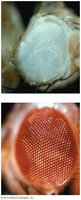
Genetic variation arises from mutations, which create different forms of a gene called alleles. The combination of alleles (genotype) determines the observable traits (phenotype) of an organism.
Allele: Alternative form of a gene.
Genotype: The set of alleles for a given trait.
Phenotype: The physical expression of the genotype.
DNA: The Carrier of Genetic Information
Discovery and Structure of DNA
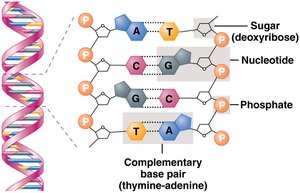
DNA (deoxyribonucleic acid) is the hereditary material in all living organisms. Avery, MacLeod, and McCarty (1944) demonstrated that DNA, not protein, is the genetic material. DNA is a double-stranded helix composed of nucleotides, each containing a sugar, phosphate, and nitrogenous base (adenine, thymine, cytosine, guanine).
Antiparallel Strands: The two DNA strands run in opposite directions.
Complementary Base Pairing: A pairs with T, and G pairs with C.
Structure of RNA
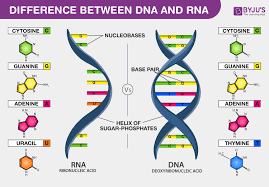
RNA (ribonucleic acid) is similar to DNA but usually single-stranded, contains uracil (U) instead of thymine (T), and has ribose as its sugar.
The Central Dogma of Molecular Biology
Flow of Genetic Information
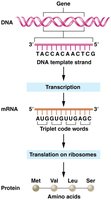
The central dogma describes the flow of genetic information: DNA is transcribed into RNA, which is then translated into protein. Proteins are the functional molecules that determine phenotype.
Transcription: Synthesis of RNA from a DNA template.
Translation: Synthesis of proteins from an mRNA template using the genetic code (triplet codons).
Proteins and Genetic Disorders
Role of Proteins and Example: Sickle-Cell Anemia
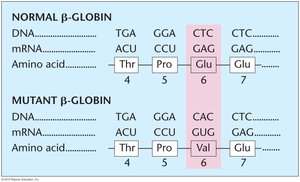
Proteins are the end products of gene expression and are responsible for cellular structure and function. Mutations in DNA can alter protein structure, leading to genetic disorders. For example, sickle-cell anemia is caused by a single-nucleotide mutation in the hemoglobin gene, resulting in an altered protein that affects oxygen transport.
Genetic Diseases and Chromosome Mapping
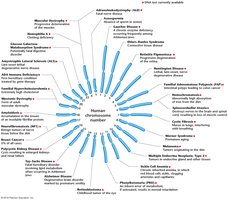
Many human diseases are caused by mutations in specific genes. Chromosome mapping helps identify the location of these genes, aiding in diagnosis and research.
Biotechnology and Recombinant DNA Technology
Restriction Enzymes and Gene Cloning
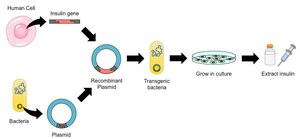
Restriction enzymes cut DNA at specific sequences, enabling the creation of recombinant DNA. This technology allows genes to be transferred between species and is foundational to modern biotechnology, with applications in medicine, agriculture, and forensic science.
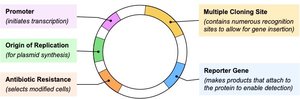
Gene Cloning: Involves isolating a gene, inserting it into a vector, and expressing it in a host organism.
Genomics, Proteomics, and Bioinformatics
Modern Approaches to Gene Function
Genomics studies the structure, function, and evolution of entire genomes. Proteomics focuses on the set of proteins expressed in a cell, while bioinformatics uses computational tools to analyze genetic and protein data. Approaches include classical (forward) genetics and reverse genetics, such as gene knockout techniques.
Model Organisms in Genetics
Criteria and Examples
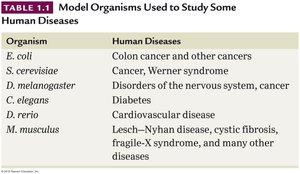
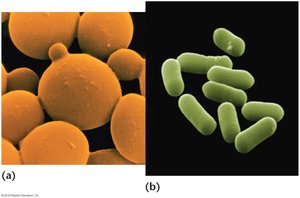
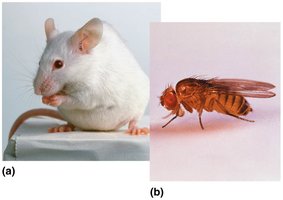
Model organisms are chosen for genetic studies due to their ease of growth, short life cycles, and genetic tractability. They are used to study human diseases and fundamental biological processes.
Organism | Human Diseases |
|---|---|
E. coli | Colon cancer and other cancers |
S. cerevisiae | Cancer, Werner syndrome |
D. melanogaster | Disorders of the nervous system, cancer |
C. elegans | Diabetes |
D. rerio | Cardiovascular disease |
M. musculus | Lesch–Nyhan disease, cystic fibrosis, fragile-X syndrome, and many other diseases |
The Age and Future of Genetics
Milestones and Emerging Issues
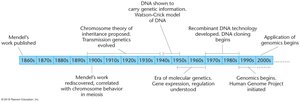
Genetics has rapidly advanced from Mendel's experiments to the Human Genome Project. The field now faces new frontiers, including personalized medicine, comparative genomics, and ethical issues related to genetic testing and gene therapy.
Personalized Medicine: Tailoring treatments based on individual genetic profiles.
Ethical Issues: Concerns about genetic privacy, gene ownership, and access to therapies.
