 Back
BackNon-Mendelian Inheritance Patterns: Dominance, Mutations, Penetrance, Expressivity, and Gene Interaction
Study Guide - Smart Notes
 Tailored notes based on your materials, expanded with key definitions, examples, and context.
Dominance Relationships
Types of Dominance
Dominance relationships describe how different alleles of a gene interact to produce phenotypes in heterozygotes. The type of dominance is determined by observing the phenotype of heterozygous individuals.
Complete Dominance: The heterozygote has a phenotype identical to the homozygote for the dominant allele. The dominant allele is often haplo-sufficient, meaning one copy is enough to produce the wild-type phenotype.
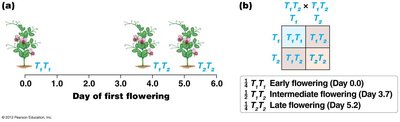
Incomplete Dominance: The heterozygote displays an intermediate phenotype between the two homozygotes. This is often seen in flower color and flowering time in plants.
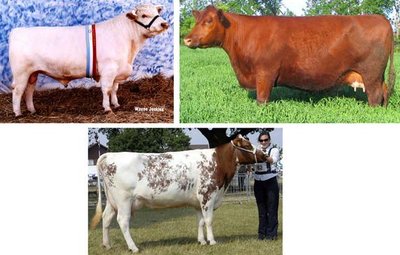
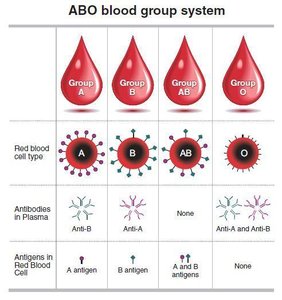
Codominance: Both alleles in a heterozygote are fully and equally expressed, resulting in a phenotype that shows characteristics of both alleles. Classic examples include human blood type and roan coat color in cattle.
Overdominance: The heterozygote phenotype is more extreme or novel compared to either homozygote. An example is the sickle cell trait, where heterozygotes have resistance to malaria.
Example: Incomplete dominance in flower color, where heterozygotes show intermediate coloration.
Example: Codominance in cattle coat color, where both red and white alleles are expressed in the roan phenotype.
Example: Human ABO blood group system, where A and B alleles are codominant, and both are dominant over the O allele.
Mutations and Multiple Alleles
Types of Mutations
Mutations can create new alleles, leading to novel phenotypes. The effect of a mutation depends on its impact on gene function.
Loss-of-function mutation: Reduces or eliminates gene function. Includes null mutations (complete loss) and leaky/hypomorphic mutations (partial loss).
Gain-of-function mutation: Increases activity or introduces a new function. Includes hypermorphic (increased activity) and neomorphic (novel activity) mutations.
Multiple Alleles and Dominance Series
Some genes have more than two alleles, forming a dominance hierarchy. The phenotype depends on the combination of alleles present.
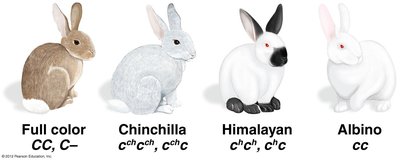
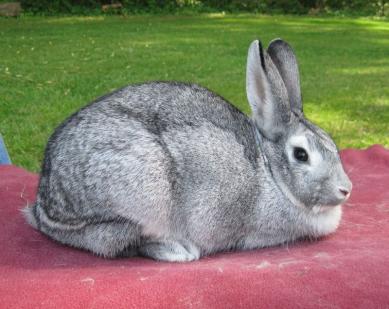
Dominance series: Each allele has a specific dominance relationship with others. For example, rabbit coat color is determined by a series of alleles for the tyrosinase gene.
Example: Rabbit coat color allelic series: C (full color) > cch (chinchilla) > ch (Himalayan) > c (albino).
Lethal Mutations
Definition and Examples
Lethal mutations are genetic changes that result in the death of an organism, often before reproductive age. They can be dominant or recessive, depending on the gene and allele involved.
Dominant lethal: One copy is sufficient to cause lethality.
Recessive lethal: Two copies are required for lethality.
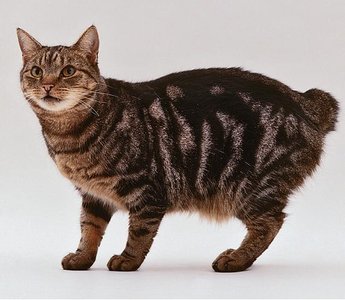
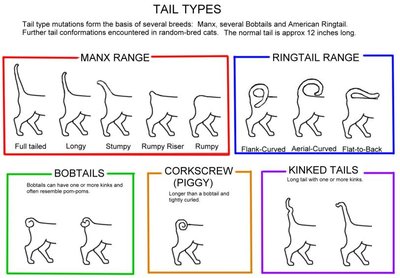
Example: The Manx cat, where the homozygous dominant genotype (MM) is lethal, and only heterozygotes (Mm) survive.
Expressivity and Penetrance
Incomplete Penetrance
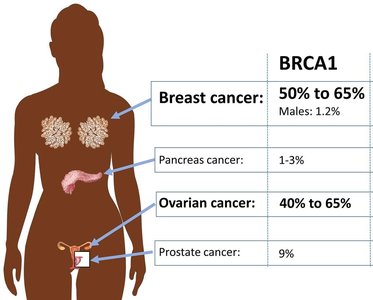
Penetrance refers to the proportion of individuals with a specific genotype who express the expected phenotype. Incomplete penetrance occurs when not all individuals with the genotype show the phenotype.
Example: BRCA1 mutations increase the risk of breast cancer, but not all carriers develop the disease.
Variable Expressivity
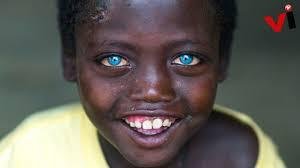
Expressivity describes the degree to which a phenotype is expressed in individuals with the same genotype. Variable expressivity means the phenotype can range from mild to severe.
Example: Waardenburg syndrome, where affected individuals show a range of symptoms such as hearing loss, different-colored eyes, and premature graying.
Gene–Environment Interactions
Definition and Examples
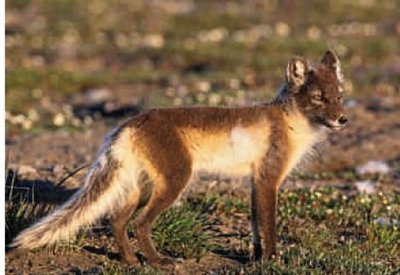
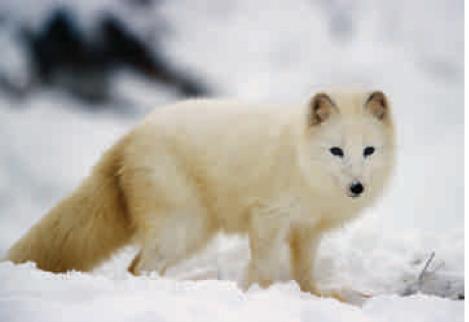
Gene–environment interaction refers to the influence of environmental factors on the expression of genetic traits. These interactions can modify phenotypes and disease risk.
Example: Arctic fox coat color changes with the seasons due to environmental temperature affecting melanin production.
Example: Phenylketonuria (PKU) is a genetic disorder where dietary management can prevent the disease phenotype.
Epigenetic Inheritance and Gene Imprinting
Gene Imprinting
Gene imprinting is an epigenetic phenomenon where genes are expressed in a parent-of-origin-specific manner due to DNA methylation or histone modification. Imprinted genes are only expressed from either the maternal or paternal allele.
Epigenetic modifications: Chemical changes to DNA or histones that affect gene expression without altering the DNA sequence.
Imprinting diseases: Examples include Prader-Willi syndrome and Angelman syndrome.
Pleiotropy and Epistasis
Pleiotropy
Pleiotropy occurs when a single gene affects multiple phenotypic traits. This can happen through various mechanisms, such as affecting multiple cell functions or developmental stages.
Example: The frizzled feather trait in chickens, which also affects metabolism and egg production.
Epistasis
Epistasis describes the interaction between genes, where the expression of one gene is modified by another. This can lead to altered phenotypic ratios and complex inheritance patterns.
Recessive epistasis: A recessive allele at one gene masks the expression of alleles at a second gene. For example, Labrador retriever coat color is determined by two interacting genes.
Summary Table: Dominance Relationships
Type of Dominance | Heterozygote Phenotype | Example |
|---|---|---|
Complete Dominance | Same as dominant homozygote | Purple flower color |
Incomplete Dominance | Intermediate between homozygotes | Flowering time in plants |
Codominance | Both alleles fully expressed | ABO blood group |
Overdominance | More extreme or novel phenotype | Sickle cell trait |
Additional info: These notes cover key concepts from Chapters 3 and 4: Cell Division and Chromosome Heredity, and Gene Interaction, as well as relevant material from Chapter 2 (Transmission Genetics) and Chapter 11 (Gene Mutation, DNA Repair, and Homologous Recombination).
