 Back
BackRecombinant DNA Technology and Applications: A Study Guide
Study Guide - Smart Notes
 Tailored notes based on your materials, expanded with key definitions, examples, and context.
Recombinant DNA Technology and Genetically Modified Organisms (GMOs)
Introduction to GMOs and Recombinant DNA
Recombinant DNA technology is a cornerstone of modern genetics, enabling the creation of genetically modified organisms (GMOs) by combining DNA from different sources. This technology has revolutionized research, agriculture, and medicine by allowing precise genetic modifications for desired traits.
Genetically Modified Organisms (GMOs): Organisms whose genetic material has been altered using recombinant DNA technology to express new traits.
Recombinant DNA: DNA molecules formed by laboratory methods of genetic recombination to bring together genetic material from multiple sources.
Applications: Research (e.g., fluorescent proteins), agriculture (e.g., pest-resistant crops), and medicine (e.g., insulin production).

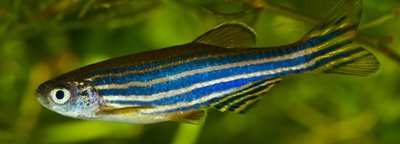
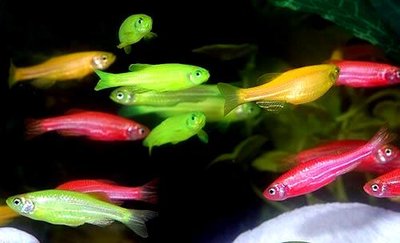
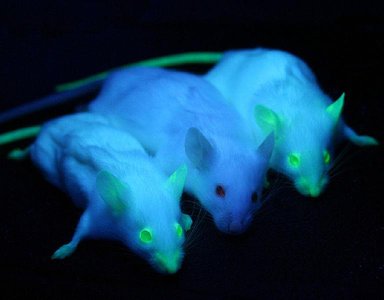
Generation of GMOs and Recombinant DNA
Basic Steps in Genetic Engineering
Creating GMOs involves several key steps, from isolating the gene of interest to introducing it into a host organism and selecting for successful modification.
Isolation of Gene of Interest: The desired gene is identified and extracted from the source organism.
Recombination with Vector: The gene is inserted into a vector (often a plasmid) that can carry it into the host cell.
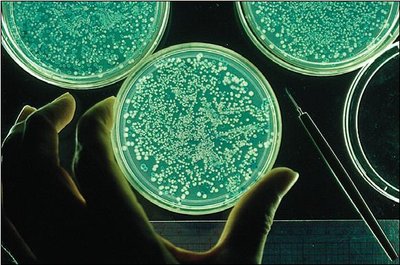
Transformation: The recombinant vector is introduced into host cells (bacteria, plants, or animals).
Selection and Screening: Cells that have successfully incorporated the recombinant DNA are identified and selected.
Amplification and Expression: The host cells replicate, amplifying the recombinant DNA and expressing the new trait.
Applications of Recombinant DNA Technology
Research, Agriculture, and Medicine
Recombinant DNA technology has broad applications, including the creation of model organisms for research, improved agricultural crops, and the production of pharmaceuticals.
Research: Use of fluorescent proteins (e.g., GFP) to label genes and visualize biological processes.
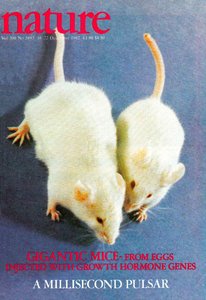
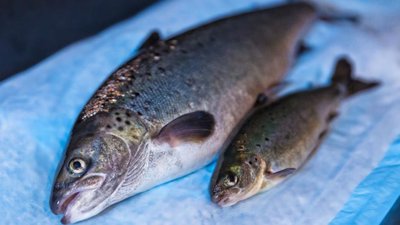
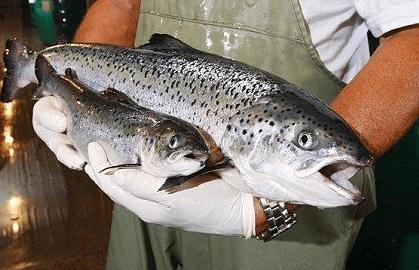
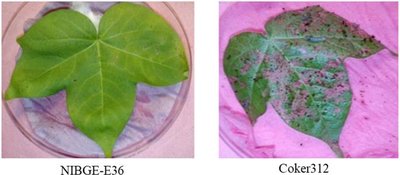
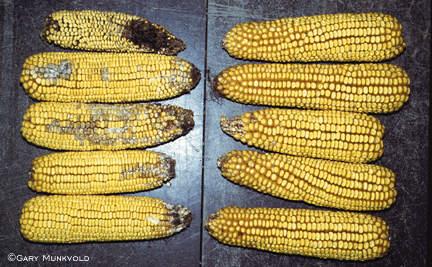
Agriculture: Development of insect-resistant crops (e.g., Bt cotton and corn), disease-resistant plants, and genetically modified animals (e.g., super salmon).
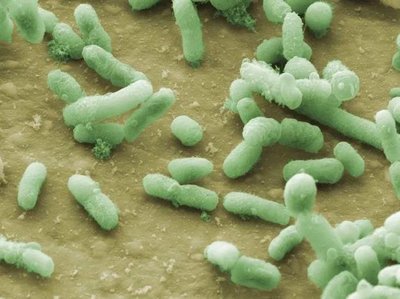
Medicine: Production of human insulin in E. coli and gene therapy for treating genetic disorders.
Traditional Breeding vs. Genetic Engineering
Comparison of Methods
Traditional breeding and genetic engineering are two approaches to modifying organisms, each with distinct characteristics and applications.
Traditional Breeding: Involves crossing individuals within the same species to combine desirable traits. Limited to naturally compatible species.
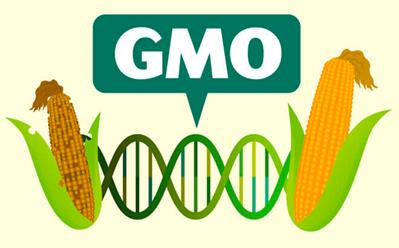
Genetic Engineering: Allows for the direct manipulation of DNA, including the transfer of genes across species boundaries, enabling the creation of new traits not possible through traditional breeding.
Aspect | Traditional Breeding | Genetic Engineering |
|---|---|---|
Species Barrier | Within species | Across species |
Precision | Low | High |
Time Required | Long | Short |
New Traits | Limited | Unlimited |
Genome Editing Technologies
Restriction Enzymes, ZFNs, TALENs, and CRISPR/Cas9
Genome editing technologies enable precise modifications to DNA sequences. The main tools include restriction enzymes, zinc-finger nucleases (ZFNs), transcription activator-like effector nucleases (TALENs), and CRISPR/Cas9.
Restriction Enzymes: Bacterial enzymes that cut DNA at specific palindromic sequences, producing sticky or blunt ends for cloning.
Zinc-Finger Nucleases (ZFNs): Engineered proteins that bind specific DNA sequences and introduce double-strand breaks.
TALENs: Similar to ZFNs but use TALE proteins for DNA recognition, allowing for more flexible targeting.
CRISPR/Cas9: A revolutionary genome editing tool that uses a guide RNA to direct the Cas9 nuclease to a specific DNA sequence, enabling targeted cuts and subsequent gene editing.
Example: CRISPR/Cas9 was awarded the Nobel Prize in Chemistry in 2020 for its impact on genome editing.
DNA Cloning and Vectors
Plasmids and Other Cloning Vectors
Vectors are DNA molecules used to carry foreign genetic material into a host cell. Plasmids are the most common vectors, but others include phage vectors, bacterial artificial chromosomes (BACs), and yeast artificial chromosomes (YACs).
Plasmid: Small, circular, double-stranded DNA molecule that replicates independently of chromosomal DNA in bacteria.
Cloning Vector: Used to amplify a specific DNA fragment.
Expression Vector: Contains regulatory sequences for gene expression in the host.
Selectable Markers: Genes (e.g., antibiotic resistance) used to identify cells that have taken up the vector.
Transformation and Selection
Introducing Recombinant DNA into Host Cells
Transformation is the process of introducing recombinant DNA into host cells. Selection markers, such as antibiotic resistance genes or colorimetric markers (e.g., blue-white screening), are used to identify successful transformants.
Chemical Transformation: Uses chemicals to make bacterial cell membranes permeable to DNA.
Electroporation: Uses electrical pulses to introduce DNA into cells.
Selection: Only cells with the recombinant DNA survive or display a detectable phenotype.
Polymerase Chain Reaction (PCR)
Amplification of DNA Segments
PCR is a technique used to amplify specific DNA sequences exponentially, making it possible to analyze small amounts of DNA.
Steps: Denaturation, annealing, and extension.
Applications: DNA cloning, diagnostics, forensics, and research.
Real-Time PCR (qPCR): Quantifies DNA or RNA in real time, used in diagnostics such as COVID-19 testing.
Gel Electrophoresis
Visualization and Analysis of DNA/RNA
Gel electrophoresis separates DNA, RNA, or proteins based on size and charge, allowing for visualization and analysis of genetic material.
Principle: Molecules migrate through a gel matrix under an electric field; smaller fragments move faster.
Applications: DNA fingerprinting, checking PCR products, and analyzing restriction digests.
DNA Sequencing
Determining the Sequence of DNA
DNA sequencing reveals the precise order of nucleotides in a DNA molecule. There are three main generations of sequencing technologies:
First Generation (Sanger Sequencing): Uses chain-terminating dideoxynucleotides (ddNTPs) to generate DNA fragments of varying lengths, which are then separated by size.
Second Generation (Next-Generation Sequencing, NGS): Massively parallel sequencing of short DNA fragments, enabling high-throughput analysis.
Third Generation (Single Molecule Sequencing): Long-read sequencing technologies (e.g., PacBio, Nanopore) that sequence single DNA molecules in real time.
Summary Table: Key Tools in Recombinant DNA Technology
Tool | Function | Example |
|---|---|---|
Restriction Enzyme | DNA cutting | EcoRI, BamHI |
DNA Ligase | DNA joining | Sticky/blunt end ligation |
Vector | DNA carrier | Plasmid, BAC, YAC |
PCR | DNA amplification | Gene cloning, diagnostics |
Gel Electrophoresis | DNA/RNA/protein separation | DNA fingerprinting |
Sequencing | DNA sequence determination | Sanger, Illumina, PacBio |
Ethical and Societal Considerations
Controversies and Regulations
The use of recombinant DNA technology, especially in humans, raises ethical, legal, and societal questions. Issues include the safety of GMOs, gene editing in humans, and the potential for unintended consequences.
Regulation: GMOs are regulated by governmental agencies (e.g., FDA in the U.S.).
Ethics: Human genome editing is controversial and subject to strict ethical guidelines.
