 Back
BackRecombinant DNA Technology and Applications: Study Notes
Study Guide - Smart Notes
 Tailored notes based on your materials, expanded with key definitions, examples, and context.
Recombinant DNA Technology and Applications
Introduction to Recombinant DNA and GMOs
Recombinant DNA (rDNA) technology enables the combination of DNA molecules from different sources into one molecule to create new genetic combinations. Genetically Modified Organisms (GMOs) are organisms whose genomes have been altered using genetic engineering techniques to express desired traits.
Genetically Modified Organisms (GMOs): Organisms with artificially altered genomes for specific traits, such as disease resistance or enhanced growth.
Recombinant DNA: DNA molecules formed by laboratory methods of genetic recombination to bring together genetic material from multiple sources.
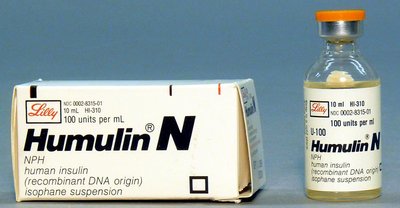
Applications: Agriculture (insect-resistant crops), medicine (insulin production), research (fluorescent markers), and biotechnology.
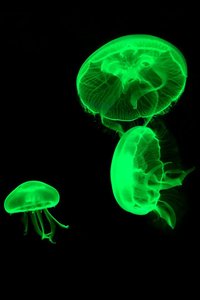
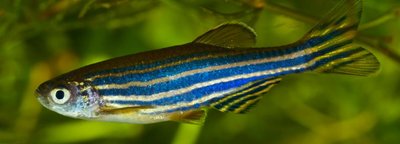
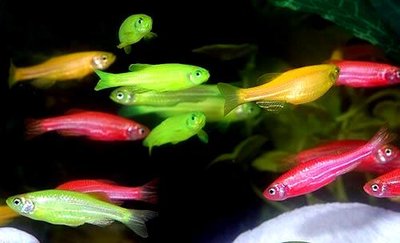
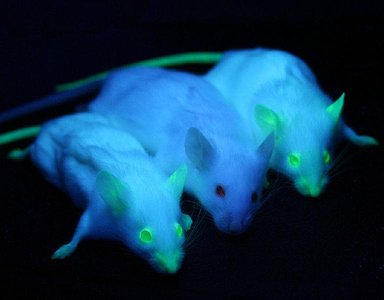
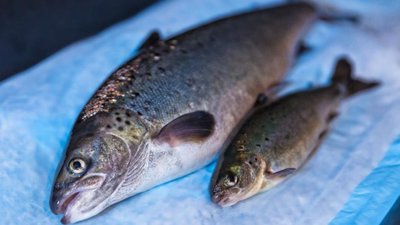
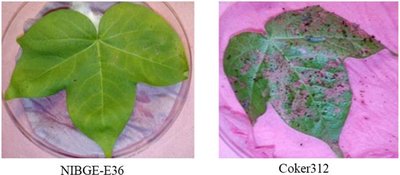
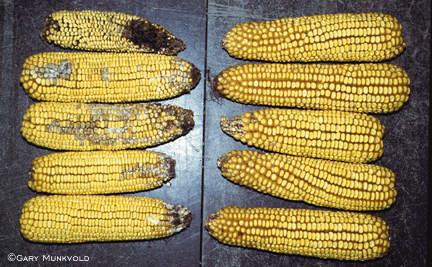
Examples: Fluorescent proteins from jellyfish used in zebrafish and mice, super salmon with growth hormone genes, and insect-resistant cotton and corn.
Traditional Breeding vs. Genetic Engineering
Traditional breeding involves crossing individuals within the same species to select for desirable traits, while genetic engineering allows for the direct manipulation of an organism's genome, including the transfer of genes across species boundaries.
Traditional Breeding: Limited to gene pools within a species; slower and less precise.
Genetic Engineering: Enables targeted changes, faster development, and transfer of genes between unrelated species.
Genome Editing: Technologies such as CRISPR/Cas9, TALENs, and ZFNs allow for precise modifications at specific genomic locations.

Biotechnology Toolbox: Key Molecular Tools
Modern genetic engineering relies on a set of molecular tools for manipulating DNA:
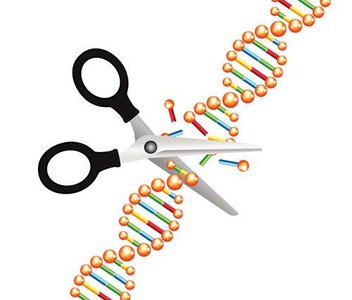
Restriction Enzymes (DNA scissors): Enzymes that cut DNA at specific sequences, generating sticky or blunt ends for cloning.
DNA Ligase (DNA glue): Enzyme that joins DNA fragments by forming phosphodiester bonds.
Vectors: DNA molecules (often plasmids) used to carry foreign DNA into host cells for cloning or expression.
Cloning: Amplification of recombinant DNA in host cells.

Steps in Recombinant DNA Technology
The process of creating recombinant DNA and GMOs involves several key steps:
Isolation of the gene of interest
Recombination with a vector plasmid
Transformation into host cells
Screening for correct insertion/gene expression
Production and application
Restriction Enzymes and DNA Ligation
Restriction enzymes recognize specific palindromic DNA sequences and cleave the DNA, producing fragments with sticky or blunt ends. DNA ligase then joins these fragments to form recombinant DNA molecules.
Sticky Ends: Overhanging single-stranded ends that facilitate the joining of complementary DNA fragments.
Blunt Ends: Double-stranded ends without overhangs; ligation is less efficient.
Genome Editing Technologies
Genome editing allows for precise modifications at specific genomic locations. Major technologies include:
Zinc-Finger Nucleases (ZFNs): Engineered proteins that bind specific DNA sequences and introduce double-strand breaks.
Transcription Activator-Like Effector Nucleases (TALENs): Proteins that recognize single base pairs and induce targeted DNA cleavage.
CRISPR/Cas9: RNA-guided nuclease system derived from bacterial immunity, enabling highly specific and efficient genome editing.
CRISPR/Cas9 uses a single guide RNA (sgRNA) to direct the Cas9 nuclease to a specific DNA sequence, where it introduces a double-strand break. Repair can occur via non-homologous end joining (NHEJ) or homology-directed repair (HDR).
Vectors and Transformation
Vectors are essential for carrying foreign DNA into host cells. Plasmids are the most common vectors, but phage vectors, bacterial artificial chromosomes (BACs), and yeast artificial chromosomes (YACs) are used for larger DNA fragments.
Transformation: Introduction of recombinant DNA into host cells, typically bacteria, via chemical methods or electroporation.
Selection Markers: Genes such as antibiotic resistance (AmpR) or blue-white screening (LacZ) are used to identify successful transformants.
Polymerase Chain Reaction (PCR)
PCR is a technique used to amplify specific DNA sequences exponentially. It is essential for cloning, sequencing, and diagnostics.
Steps: Denaturation, annealing, and extension.
Applications: DNA cloning, forensic analysis, pathogen detection, and genetic testing.
Gel Electrophoresis
Gel electrophoresis separates DNA, RNA, or proteins based on size and charge, allowing for visualization and analysis of macromolecules.
DNA fragments: Move through an agarose gel matrix; smaller fragments migrate faster.
Applications: Checking PCR products, restriction digests, and DNA fingerprinting.
DNA Sequencing Technologies
DNA sequencing determines the precise order of nucleotides in a DNA molecule. There are three main generations of sequencing technologies:
First Generation (Sanger Sequencing): Chain-termination method using dideoxynucleotides (ddNTPs).
Second Generation (Next-Generation Sequencing, NGS): Massively parallel sequencing, e.g., Illumina platform.
Third Generation (Single Molecule Sequencing): Long-read sequencing, e.g., PacBio and Nanopore.
Applications of Recombinant DNA Technology
Agriculture: Insect-resistant crops, non-browning fruits, and enhanced nutritional content.
Medicine: Production of human insulin, gene therapy, and disease models.
Research: Fluorescent markers for gene expression studies, transgenic animals, and functional genomics.
Ethical and Social Considerations
Genome editing, especially in humans, raises ethical, legal, and social concerns. Issues include unintended effects, ecological impact, and the morality of editing human embryos.
Summary Table: Key Tools and Applications in Recombinant DNA Technology
Tool/Technique | Function | Application Example |
|---|---|---|
Restriction Enzymes | Cut DNA at specific sequences | Cloning, gene insertion |
DNA Ligase | Join DNA fragments | Recombinant DNA formation |
Vectors (Plasmids, BACs, YACs) | Carry foreign DNA into host cells | Gene cloning, expression |
PCR | Amplify DNA sequences | Diagnostics, cloning |
Gel Electrophoresis | Separate DNA/RNA/proteins by size | DNA analysis, fingerprinting |
DNA Sequencing | Determine nucleotide sequence | Genomics, diagnostics |
Genome Editing (CRISPR, TALEN, ZFN) | Precise genome modification | Gene therapy, GMOs |
Key Equations and Concepts
PCR Amplification: Number of DNA copies after n cycles: $2^n$
Sanger Sequencing: Chain termination occurs when a ddNTP is incorporated, preventing further elongation.
Additional info: These notes integrate foundational concepts from Chapters 20 and 22 of a standard genetics curriculum, covering the principles, tools, and applications of recombinant DNA technology and genome editing.
