 Back
BackRecombinant DNA Technology and Applications: Study Notes
Study Guide - Smart Notes
 Tailored notes based on your materials, expanded with key definitions, examples, and context.
Recombinant DNA Technology and Applications
Introduction to Recombinant DNA and GMOs
Recombinant DNA (rDNA) technology involves combining DNA molecules from different sources to create new genetic combinations. Genetically Modified Organisms (GMOs) are organisms whose genomes have been altered using genetic engineering techniques to express desired traits. This technology has revolutionized research, agriculture, and medicine by enabling precise genetic modifications.
Genetically Modified Organisms (GMOs): Organisms with artificially altered genomes for specific traits, such as disease resistance or enhanced growth.
Recombinant DNA: DNA molecules formed by laboratory methods of genetic recombination to bring together genetic material from multiple sources.
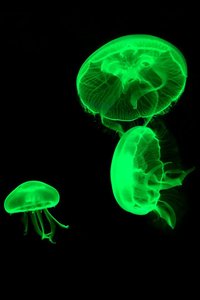
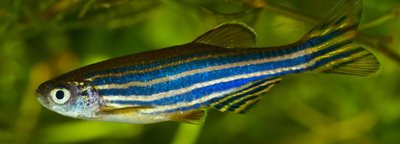
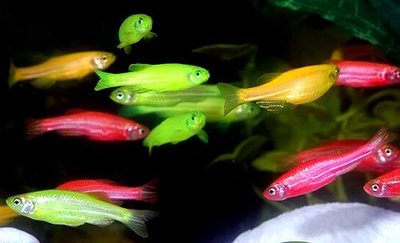
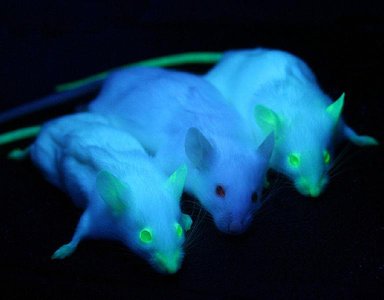
Applications: Agriculture (insect-resistant crops), medicine (insulin production), research (fluorescent markers).
Generation of GMOs and Recombinant DNA
GMOs are generated by introducing foreign genes into an organism's genome using recombinant DNA technology. This process can involve traditional breeding or advanced genome-editing techniques.
Traditional Breeding: Crossing individuals within the same species to combine desirable traits.
Genetic Engineering: Direct manipulation of an organism's genome, including gene transfer across species boundaries.
Genome Editing: Technologies like CRISPR/Cas9, TALENs, and ZFNs allow precise modifications at specific genomic locations.
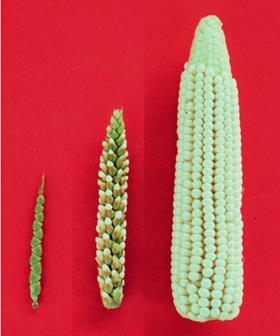
Key Tools in Recombinant DNA Technology
Several molecular tools are essential for manipulating DNA in the laboratory:
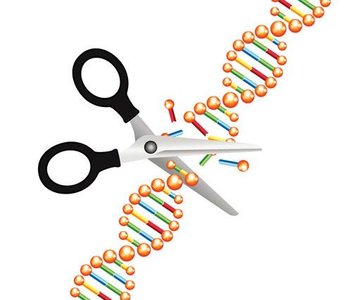
Restriction Enzymes (DNA scissors): Enzymes that cut DNA at specific sequences, generating sticky or blunt ends for cloning.
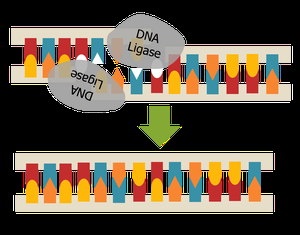
DNA Ligase (DNA glue): Enzyme that joins DNA fragments by forming phosphodiester bonds.
Vectors: DNA molecules (e.g., plasmids) used to carry foreign DNA into host cells for cloning or expression.

Steps in Genetic Engineering (Recombinant DNA Creation)
The process of creating recombinant DNA and generating GMOs involves several key steps:
Isolate the gene of interest.
Recombine the gene with a vector plasmid.
Transform the recombinant vector into host cells (e.g., bacteria).
Screen for correct insertion and gene expression.
Scale up production for research or industrial use.
Restriction Enzymes and DNA Ligation
Restriction enzymes recognize specific palindromic DNA sequences and cleave both strands, producing sticky or blunt ends. DNA ligase then joins compatible DNA fragments, enabling the construction of recombinant DNA molecules.
Sticky Ends: Overhanging single-stranded DNA produced by staggered cuts, facilitating ligation.
Blunt Ends: Straight cuts with no overhangs, more challenging to ligate.
Genome Editing Technologies
Modern genome editing tools allow for precise modifications at specific genomic sites:
Zinc-Finger Nucleases (ZFNs): Engineered proteins that bind specific DNA sequences and induce double-strand breaks.
Transcription Activator-Like Effector Nucleases (TALENs): Proteins that recognize single base pairs for targeted DNA cleavage.
CRISPR/Cas9: RNA-guided nuclease system derived from bacterial immunity, enabling efficient and specific genome editing.
CRISPR/Cas9 has revolutionized genetic engineering due to its simplicity, specificity, and versatility. It uses a single guide RNA (sgRNA) to direct the Cas9 nuclease to the target DNA sequence, where it introduces a double-strand break.
DNA Cloning and Vectors
Cloning vectors are essential for amplifying and expressing foreign DNA in host cells. Plasmids, phage vectors, bacterial artificial chromosomes (BACs), and yeast artificial chromosomes (YACs) are commonly used.
Plasmids: Small, circular DNA molecules that replicate independently in bacteria.
Selectable Markers: Genes (e.g., antibiotic resistance) used to identify cells that have taken up the vector.
Expression Vectors: Contain regulatory elements for protein production in host cells.
Transformation and Selection
Transformation introduces recombinant DNA into host cells. Selection markers, such as antibiotic resistance genes or blue-white screening (lacZ/X-gal system), help identify successful transformants.
Chemical Transformation: Uses calcium chloride and heat shock to facilitate DNA uptake.
Electroporation: Uses electrical pulses to increase cell membrane permeability.
Applications of Recombinant DNA Technology
Recombinant DNA technology has broad applications in research, agriculture, and medicine:
Research: GFP-labeled genes for tracking gene expression.
Agriculture: Insect-resistant crops, disease-resistant plants, and genetically modified animals (e.g., super salmon).
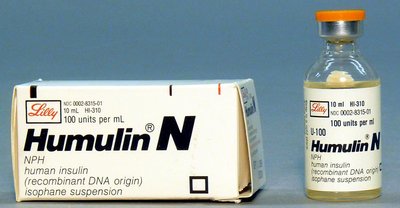
Medicine: Production of human insulin, gene therapy, and development of pharmaceuticals.
Polymerase Chain Reaction (PCR)
The Polymerase Chain Reaction (PCR) is a technique used to amplify specific DNA segments. It is essential for cloning, sequencing, and genetic analysis.
Steps: Denaturation, annealing, and extension.
Applications: DNA detection, quantification (RT-qPCR), and diagnostics (e.g., COVID-19 testing).
Equation:
$N = N_0 \times 2^n$
Where $N$ is the number of DNA molecules after $n$ cycles, and $N_0$ is the initial number of molecules.
Gel Electrophoresis
Gel electrophoresis separates DNA, RNA, or proteins based on size and charge. It is used to analyze genetic material and verify the results of cloning or PCR.
Agarose Gel: Commonly used for DNA and RNA separation.
Polyacrylamide Gel: Used for protein and small DNA fragment separation.
DNA Sequencing Technologies
DNA sequencing determines the precise order of nucleotides in a DNA molecule. Three generations of sequencing technologies are commonly used:
First Generation (Sanger Sequencing): Chain-termination method using dideoxynucleotides (ddNTPs).
Second Generation (Illumina/NGS): Massively parallel sequencing by synthesis, suitable for high-throughput applications.
Third Generation (Single Molecule/SMRT): Real-time sequencing of long DNA fragments using nanopore or PacBio technology.
Summary Table: Comparison of DNA Sequencing Methods
Generation | Method | Read Length | Key Features |
|---|---|---|---|
First | Sanger Sequencing | 500-1,000 bp | Chain-termination, fluorescent ddNTPs |
Second | Illumina/NGS | ~50-500 bp | Massively parallel, short reads, cost-effective |
Third | Nanopore/PacBio | 10,000+ bp | Single molecule, long reads, real-time |
Ethical Considerations and Controversies
Genome editing, especially in humans, raises ethical and societal concerns. Issues include unintended effects, gene drives, and the morality of editing human embryos. Regulatory frameworks and public engagement are essential for responsible use of these technologies.
Summary
Recombinant DNA technology enables the creation of GMOs for research, agriculture, and medicine.
Key tools include restriction enzymes, DNA ligase, vectors, and genome-editing nucleases (ZFNs, TALENs, CRISPR/Cas9).
Applications range from disease-resistant crops to gene therapy and pharmaceutical production.
Techniques such as PCR, gel electrophoresis, and DNA sequencing are fundamental for genetic analysis.
Ethical considerations must guide the application of genome editing in society.
