 Back
BackRecombinant DNA Technology and Transgenic Models: Genetics Study Guide
Study Guide - Smart Notes
 Tailored notes based on your materials, expanded with key definitions, examples, and context.
Recombinant DNA Technology
Overview and Applications
Recombinant DNA technology involves the manipulation of DNA to add, delete, or modify genes in a laboratory setting. This technology has revolutionized genetics, enabling applications in research, medicine, and industry.
Industrial Applications: Cloning genes for enzyme and hormone replacement therapies.
Clinical Applications: Identifying disease-causing mutations, developing gene therapies, cataloging polymorphisms, and investigating complex trait diseases.
Basic Research Applications: Analyzing protein structure and function, studying gene regulation, and understanding tissue-specific gene expression.
Key Terms
Recombinant DNA: DNA that has been experimentally manipulated by adding or deleting genes.
Vector: A DNA molecule used to carry foreign genetic material into a cell.
Plasmid: A small, circular DNA molecule found in bacteria, used as a vector in genetic engineering.
Plasmid Structure and Function
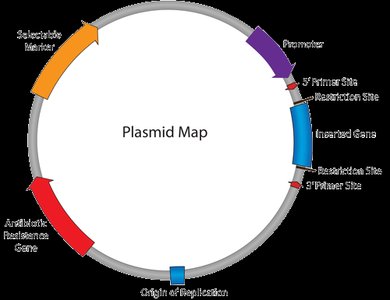
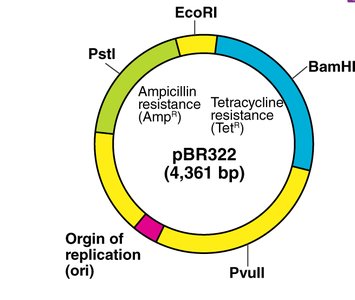
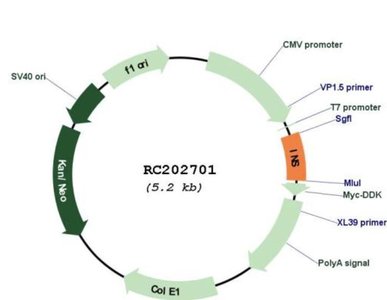
Plasmids are essential tools in recombinant DNA technology. They contain several key elements:
Origin of Replication (ori): Allows plasmid propagation in bacteria.
Antibiotic Resistance Gene: Enables selection of bacteria carrying the plasmid.
Restriction Enzyme Sites: Facilitate cloning of DNA fragments.
Promoter: Drives expression of the gene of interest; can be constitutive or inducible.
Gene Transfer Methods
Bacterial Transformation
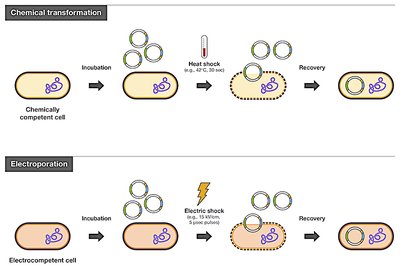
Transformation is the process of introducing foreign DNA into bacteria. Common methods include chemical competence (heat shock) and electroporation.
Competent Cells: Bacteria prepared to take up DNA (e.g., DH5α, XL-Gold).
Selection: Antibiotic resistance genes allow identification of transformed cells.
Transfection in Eukaryotic Cells
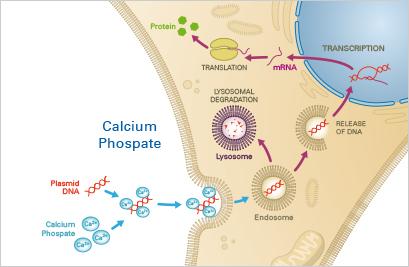
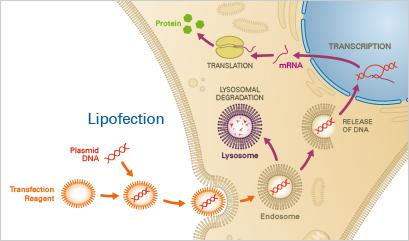
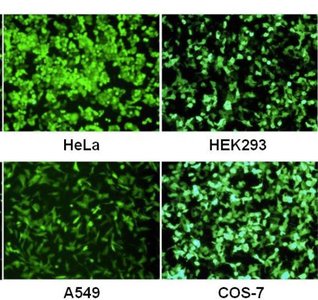
Transfection introduces DNA into eukaryotic cells using chemical or physical methods.
Calcium Phosphate Co-precipitation: DNA is precipitated with calcium phosphate and taken up by cells.
Lipofection: DNA is encapsulated in lipid vesicles, which fuse with the cell membrane.
Gene Transfer via Viral Vectors
Viral vectors, such as lentiviruses, are used to deliver genes into cells for gene therapy and research.
Transfer Plasmid: Contains the gene of interest.
Packaging Plasmid: Provides viral proteins for packaging.
Envelope Plasmid: Determines host specificity.
Gene Editing and RNA Interference
Small Interfering RNAs (siRNAs) and MicroRNAs (miRNAs)
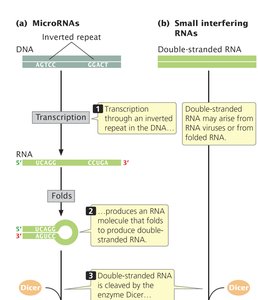
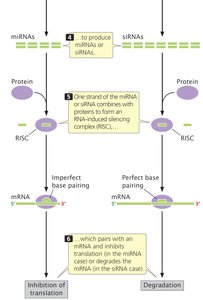
siRNAs and miRNAs are short RNA molecules involved in gene silencing. They are produced by the enzyme Dicer and participate in mRNA degradation, translation inhibition, DNA methylation, and chromatin remodeling.
siRNAs: Artificially synthesized, used for transient gene silencing.
miRNAs: Endogenously produced, regulate gene expression post-transcriptionally.
CRISPR-Cas9 Gene Editing
CRISPR-Cas9 is a powerful genome editing tool that allows precise addition, removal, or alteration of genetic material. It is used for knockout and gene correction studies.
Knockout: Disrupts gene function (loss of function).
Knock-in: Introduces new genetic material (gain of function).
Transgenic Animal Models
Transgenesis and Knockout Mice
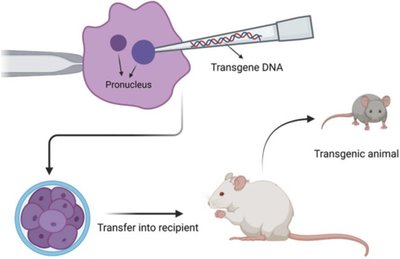
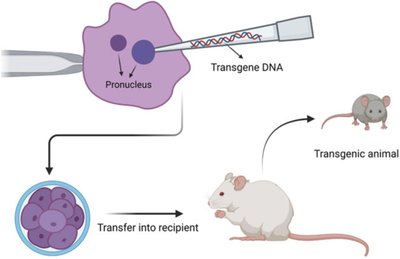
Transgenic animals are generated by introducing foreign DNA into their genome, resulting in permanent genetic alteration. Knockout mice are created by disrupting specific genes to study their physiological roles.
Transgenesis: Gain of function by adding foreign genes.
Knockout: Loss of function by gene disruption.
Humanized Mice: Express human genes or carry human cells for disease modeling.
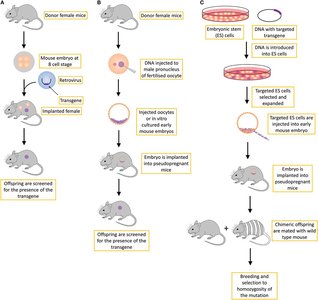
Methods to Introduce a Transgene
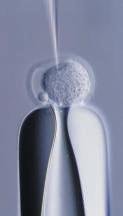
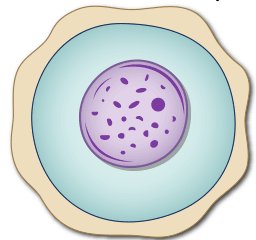
DNA Injection: Direct injection of linearized DNA into the pronucleus of fertilized eggs.
Embryonic Stem Cell Approach: Homologous recombination in ES cells followed by implantation into embryos.
Retroviral Approach: Use of retroviruses to deliver transgenes.
Knockout Mouse Generation by ES Cell Approach
Homologous recombination is used to disrupt gene function in ES cells, which are then used to produce chimeric and knockout mice.
Neo Cassette: Confers antibiotic resistance for selection.
TK Gene: Used for negative selection.
Homology Arms: Ensure targeted recombination.
Conditional Knockout and Tissue-Specific Models
Cre-LoxP System
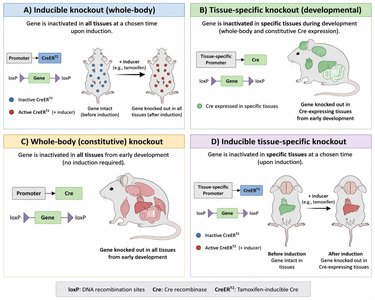
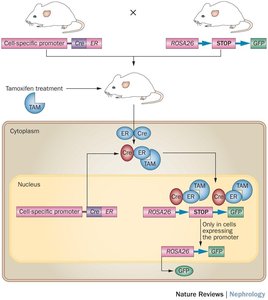
The Cre-LoxP system enables tissue-specific or inducible gene knockout. Cre recombinase excises DNA sequences flanked by LoxP sites, allowing precise control of gene expression.
Constitutive Cre: Always active, no temporal control.
Inducible Cre: Activated by tamoxifen, allows temporal regulation.
Tissue-Specific Cre: Driven by tissue-specific promoters (e.g., Albumin for liver, Pax7 for muscle).
Mitosis and Meiosis (Review)
Comparison of Mitosis and Meiosis
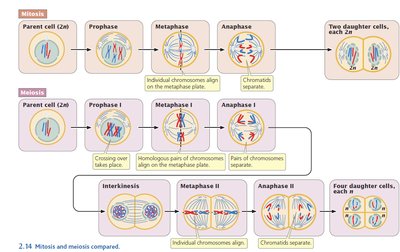
Mitosis and meiosis are fundamental processes of cell division. Mitosis produces two identical daughter cells, while meiosis produces four genetically distinct gametes.
Mitosis: Single division, produces somatic cells.
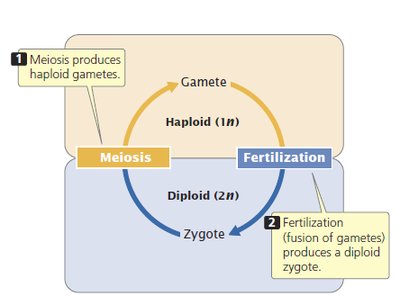
Meiosis: Two divisions, produces gametes, reduces chromosome number by half.
Fertilization and Embryogenesis
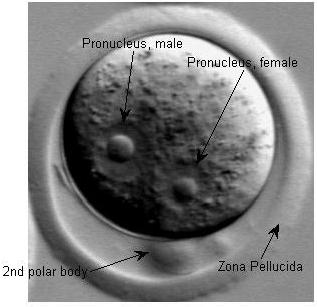
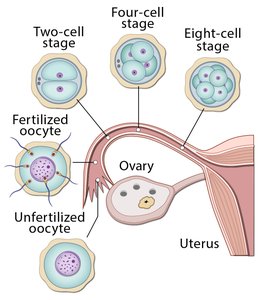
Fertilization restores the diploid chromosome number by combining genetic material from two gametes. Embryogenesis follows, leading to the development of a multicellular organism.
Pronuclei: Male and female pronuclei fuse to form the embryo nucleus.
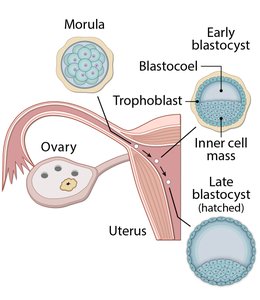
Embryo Development: Progresses through stages: fertilized oocyte, two-cell, four-cell, eight-cell, morula, blastocyst.
Summary Table: Plasmid Features
Feature | Function |
|---|---|
Origin of Replication (ori) | Allows plasmid replication in bacteria |
Antibiotic Resistance Gene | Selection of transformed cells |
Restriction Enzyme Sites | Facilitate DNA cloning |
Promoter | Drives gene expression |
Summary Table: Cre-LoxP Knockout Models
Model Type | Gene Inactivation | Control |
|---|---|---|
Whole-body (constitutive) | All tissues, early development | No temporal control |
Tissue-specific (developmental) | Specific tissues, development | Promoter-specific |
Inducible (whole-body) | All tissues, chosen time | Tamoxifen induction |
Inducible tissue-specific | Specific tissues, chosen time | Tamoxifen induction, promoter-specific |
Key Equations
Homologous Recombination:
PCR Amplification:
Gene Knockout:
