 Back
BackRecombinant DNA Technology: Principles, Methods, and Applications
Study Guide - Smart Notes
 Tailored notes based on your materials, expanded with key definitions, examples, and context.
Recombinant DNA Technology
Overview and Applications
Recombinant DNA technology enables the precise modification and manipulation of genetic material, facilitating advances in genetics, medicine, agriculture, and biotechnology. Its applications range from gene cloning and sequencing to gene editing and the creation of transgenic organisms.
Gene Therapy: Introduction of functional genes to treat genetic disorders.
CRISPR-based Editing: Targeted modification of DNA sequences for research and therapeutic purposes.
Transgenic Organisms: Generation of organisms with foreign genes for research or agricultural improvement.
Human Genome Project: Sequencing and mapping of the entire human genome.
Genomic Libraries vs cDNA Libraries: Collections of DNA fragments for gene identification and study.
DNA Delivery Procedures: Methods for introducing DNA into cells (e.g., transformation, transfection).
Gene Editing, RNA Interference, CRISPR: Tools for modifying gene expression and function.
Transgenic Animal Generation: Creation of animals with modified genomes for research and biotechnology.
Ethical, Social, and Safety Concerns
While recombinant DNA technology offers significant benefits, it also raises important ethical and safety issues:
Safety and Risk: Potential for off-target mutations, environmental risks from GMOs, and unknown long-term impacts.
Human Genetic Modification: Germline editing can result in heritable changes, raising concerns about "designer babies" and enhancement versus therapy.
Equity and Access: Unequal access to genetic therapies may increase global health disparities.
Consent and Autonomy: Future generations cannot consent to genetic changes; ethical concerns in embryo editing.
Polymerase Chain Reaction (PCR)
PCR Principles and Steps
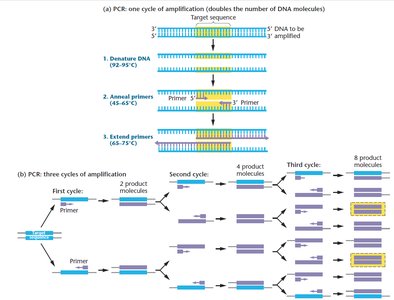
PCR is a technique used to amplify specific DNA sequences, making millions of copies from a small initial sample. It is fundamental in molecular biology, diagnostics, and genetic research.
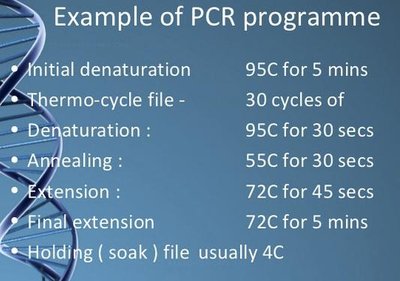
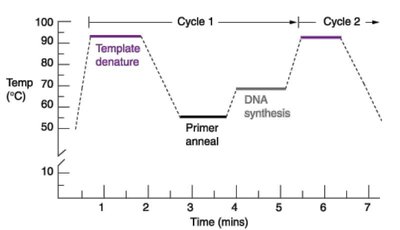
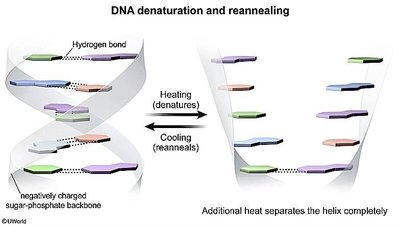
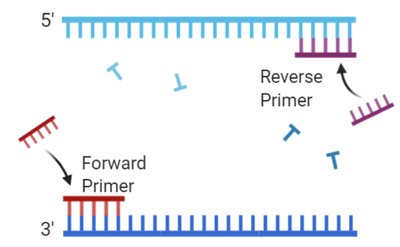
Denaturation: Double-stranded DNA is heated (92–95°C) to separate into single strands.
Annealing: Primers bind to their complementary sequences (50–70°C).
Extension: Taq DNA polymerase extends the primers at the 3’ end (72°C).
PCR Primer Design
Primers are short, single-stranded DNA or RNA molecules essential for initiating DNA synthesis. Proper primer design is crucial for efficient and specific amplification.
Length: 18–24 bases
G/C Content: 40–60%
Start/End: 1–2 G/C pairs
Melting Temperature (Tm): 50–60°C
Primer Pair Tm: Within 5°C of each other
No Complementary Regions: Avoid secondary structures
Restriction Enzymes
Definition and Function
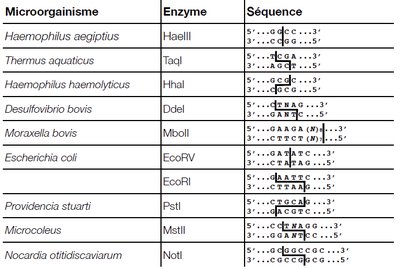
Restriction enzymes are proteins originating from bacteria that recognize specific DNA sequences and cleave the DNA at those sites. They are essential tools for genetic engineering and molecular cloning.
Source: Bacteria use restriction enzymes to eliminate foreign DNA.
Protection: Bacterial DNA is protected by methylation of restriction sites.
Naming: Enzymes are named after their source organism (e.g., EcoRI from Escherichia coli).
Applications of Restriction Enzymes
Gene Analysis: Recognize single-base changes (RFLP analysis).
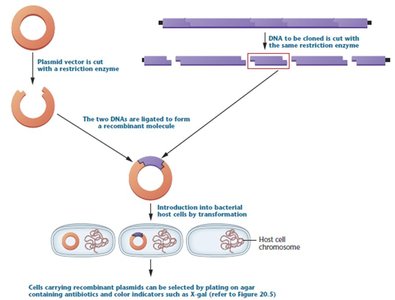
Gene Cloning: Insert genes into plasmids for recombinant protein production.
Genomic Library Generation: Fragment and separate genomic DNA for gene analysis.
Restriction Digestion and Ligation
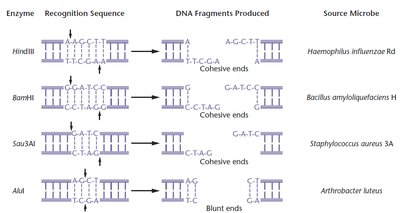
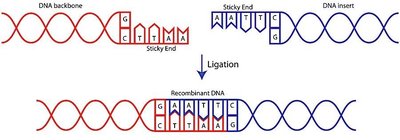
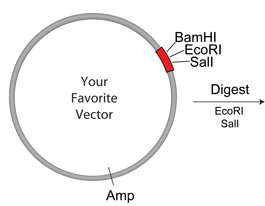
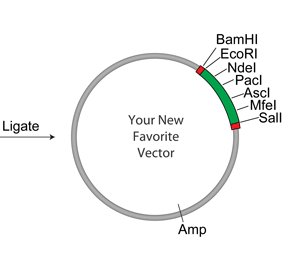
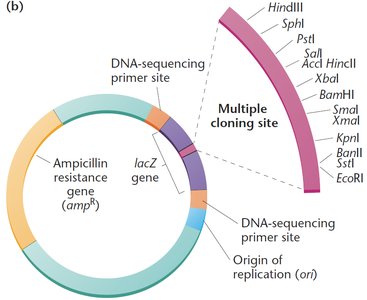
Restriction enzymes create sticky or blunt ends in DNA fragments, which can be joined together using DNA ligase to form recombinant DNA molecules.
Sticky Ends: Overhanging sequences that facilitate ligation.
Blunt Ends: No overhang; less efficient for ligation.
Ligation: DNA ligase forms phosphodiester bonds between fragments.
Vectors and Cloning
Types of Vectors
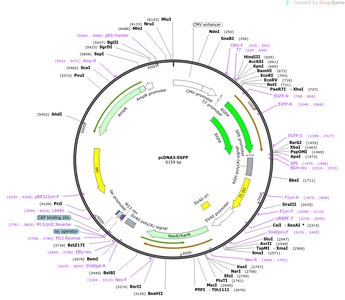
Vectors are DNA molecules used to carry foreign DNA into host cells. They differ in complexity, ease of manipulation, and insert capacity.
Bacterial Plasmids: Small, circular DNA used for gene cloning.
Bacteriophages: Viruses that infect bacteria, used for larger inserts.
Cosmids: Plasmids with phage sequences for packaging.
Bacterial Artificial Chromosomes (BACs): Used for large DNA fragments.
Yeast Artificial Chromosomes (YACs): Used for very large inserts.
Human Genome Project and Sequencing
Sequencing Approaches
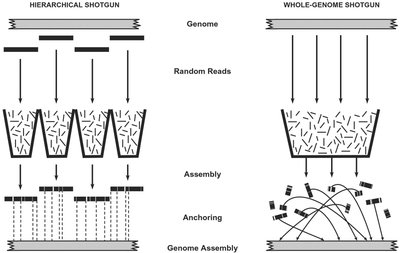
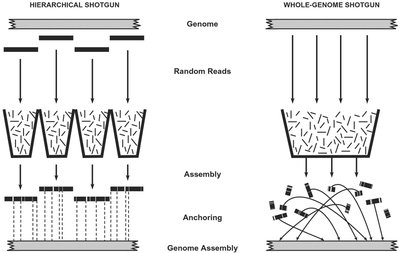
The Human Genome Project (HGP) aimed to sequence the entire human genome using two main approaches:
Clone-by-Clone (Hierarchical) Sequencing: Genome is fragmented, inserted into vectors, mapped, and sequenced in order.
Whole-Genome Shotgun (WGS): Genome is randomly fragmented, sequenced, and assembled using computational methods.
Genomic Libraries
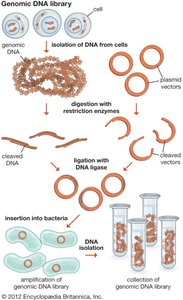
Genomic libraries are collections of DNA fragments representing the entire genome, created by digesting DNA with restriction enzymes and cloning into vectors.
Fragmentation: DNA is cut into manageable pieces.
Ligation: Fragments are inserted into vectors.
Transformation: Vectors are introduced into bacteria.
Selection: Each clone contains a unique DNA fragment.
Contigs and Sequence Assembly
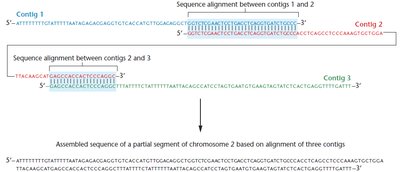
Contigs are continuous stretches of DNA sequence assembled from overlapping fragments. Sequence alignment and bioinformatics tools are used to reconstruct chromosomes.
Restriction Mapping: Different enzymes produce overlapping fragments.
Sequence Alignment: Overlapping fragments are aligned to assemble the genome.
DNA Polymerization and Sequencing
DNA Polymerization
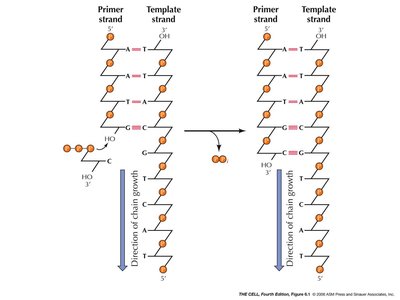
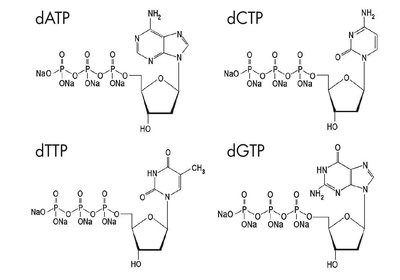
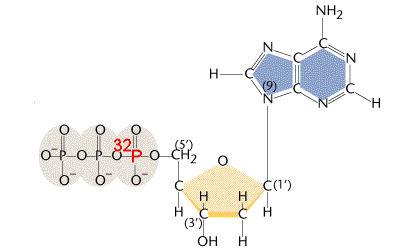
DNA polymerization is the process by which DNA polymerase synthesizes new DNA strands, requiring a primer and proceeding in the 5' to 3' direction.
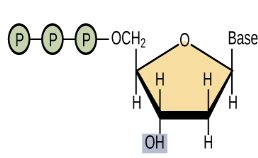
Primer Requirement: DNA polymerase needs a free 3’-OH group.
Phosphodiester Bond Formation: Nucleophilic attack on the 3’-OH forms the bond.
Directionality: DNA synthesis occurs from 5’ to 3’.
Sanger DNA Sequencing
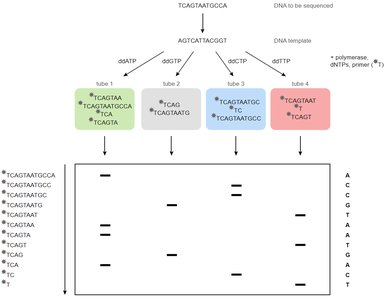
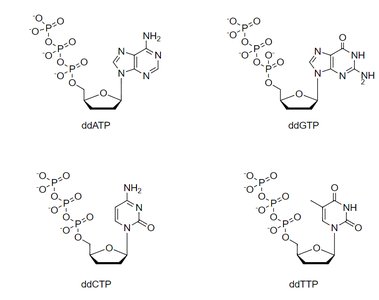
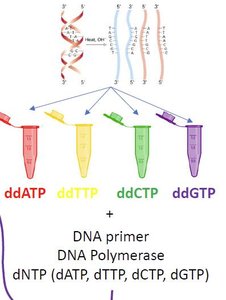
Sanger sequencing uses dideoxynucleotides (ddNTPs) to terminate DNA synthesis at specific bases, allowing determination of DNA sequence.
Chain Terminators: ddNTPs lack a 3’-OH group, stopping polymerization.
Reaction Setup: Four tubes, each with a different ddNTP.
Gel Electrophoresis: Fragments are separated by size and sequence is read.
Modern Methods: Use fluorescent tags instead of radioactivity.
RNA Interference (RNAi)
Mechanism and Applications
RNA interference (RNAi) is a process by which non-coding RNA molecules guide the silencing of mRNAs in a sequence-specific manner, regulating gene expression post-transcriptionally.
siRNA Pathway: Double-stranded RNA is processed by Dicer into siRNAs, which associate with RISC and cleave complementary mRNAs.
miRNA Pathway: miRNAs are processed from primary transcripts, associate with RISC, and inhibit translation or degrade mRNAs.
Applications: Gene silencing, functional genomics, therapeutic development.
