 Back
Sex Determination and Sex-Linked Characteristics: Structured Study Notes
Study Guide - Smart Notes
 Tailored notes based on your materials, expanded with key definitions, examples, and context.
Sex Determination Mechanisms
Biological Sex and Gender
Biological sex refers to the physical and genetic characteristics that define male and female phenotypes, while gender is a social and cultural construct that may or may not align with biological sex. The process by which sex is established in an organism is called sex determination.
Sexual phenotype: The observable biological characteristics (male or female).
Gender: Assigned based on identity, behavior, or cultural practices; may differ from biological sex (cisgender, transgender, gender fluid).
Hermaphroditism: Both sexes in one organism (common in some animals).
Monoecious: Both male and female reproductive structures in one plant.
Dioecious: Separate male and female individuals (common in many plants).
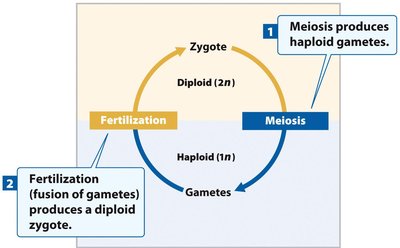
Chromosomal Sex Determination Systems
Many organisms determine sex by specific chromosomes. Sex chromosomes differ in number and morphology between males and females, while autosomes are the same in both sexes.
Homogametic sex: Produces gametes all the same with respect to sex chromosomes (e.g., XX female).
Heterogametic sex: Produces two types of gametes (e.g., XY male).
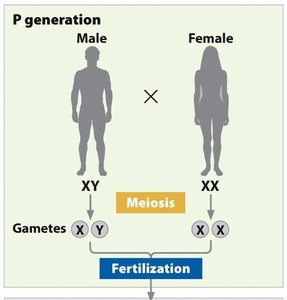
XX-XY System
Found in mammals, some plants, insects, reptiles.
Females (XX): Homogametic; all eggs carry X chromosome.
Males (XY): Heterogametic; sperm carry either X or Y chromosome.
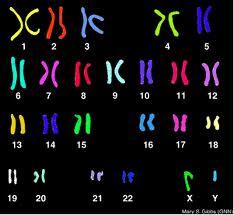
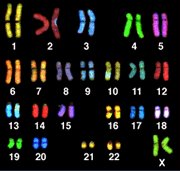
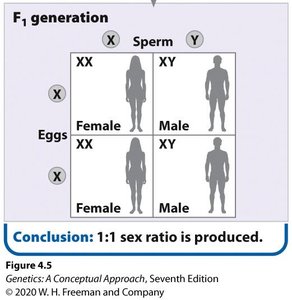
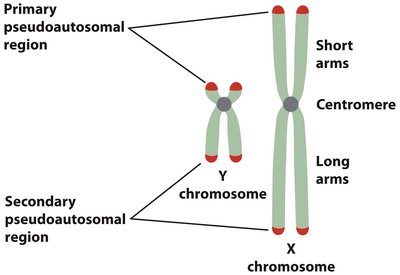
During meiosis, X and Y chromosomes pair through small homologous regions called pseudoautosomal regions.
XX-XO System
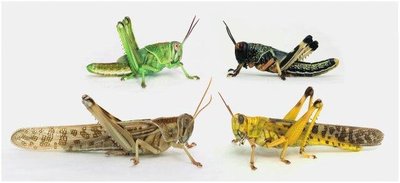
Found in grasshoppers and some insects.
Females (XX): Homogametic; all eggs carry X chromosome.
Males (XO): Heterogametic; sperm carry either X chromosome or no sex chromosome.
ZZ-ZW System
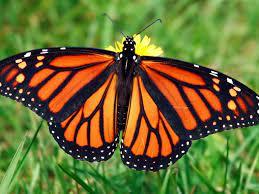
Found in birds, snakes, butterflies, some amphibians and fishes.
Females (ZW): Heterogametic; eggs carry either Z or W chromosome.
Males (ZZ): Homogametic; sperm carry only Z chromosome.


Genic Sex Determination
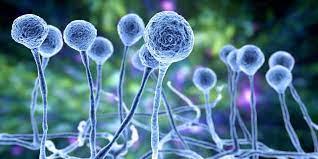
In some plants, fungi, protozoans, and fishes, sex is determined by genes at one or more autosomal loci, not by distinct sex chromosomes.

Environmental Sex Determination
Environmental factors such as temperature or position can determine sex in some organisms.
Limpets: Sex determined by position in stack.
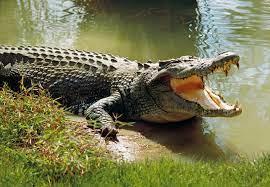
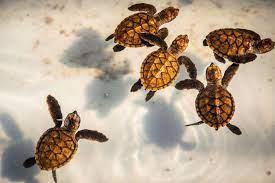
Crocodiles and turtles: Sex determined by incubation temperature.
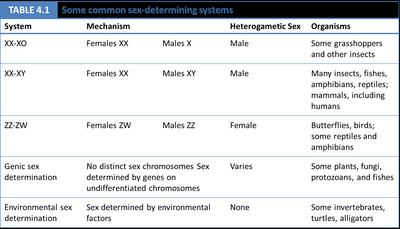
Summary Table: Common Sex-Determining Systems
System | Mechanism | Heterogametic Sex | Organisms |
|---|---|---|---|
XX-XO | Females XX, Males X | Male | Some grasshoppers, insects |
XX-XY | Females XX, Males XY | Male | Many insects, fishes, amphibians, reptiles, mammals |
ZZ-ZW | Females ZW, Males ZZ | Female | Butterflies, birds, reptiles, amphibians |
Genic sex determination | No distinct sex chromosomes; genes on autosomes | Varies | Plants, fungi, protozoans, fishes |
Environmental sex determination | Sex determined by environmental factors | None | Invertebrates, turtles, alligators |
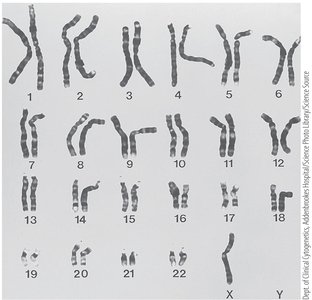
Sex Chromosome Abnormalities in Humans
Meiotic Non-Disjunction and Chromosome Number Abnormalities
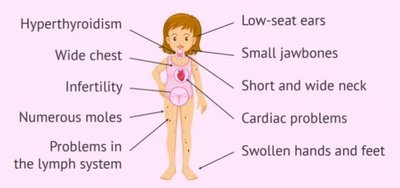
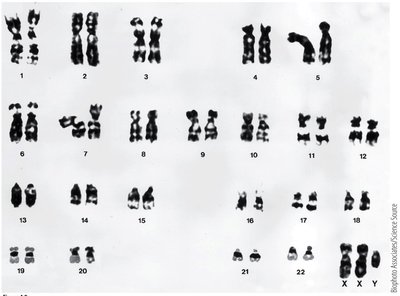
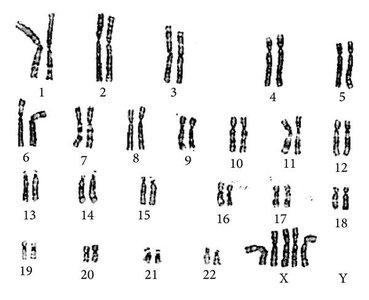
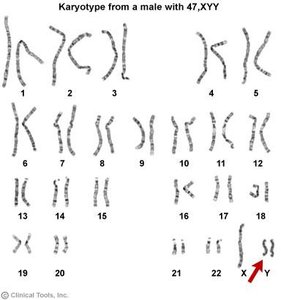
Non-disjunction during meiosis can result in gametes with abnormal numbers of sex chromosomes, leading to syndromes such as Turner, Klinefelter, Poly-X, and XYY.
Turner syndrome (XO): Females with only one X chromosome; short stature, normal intelligence, usually sterile.
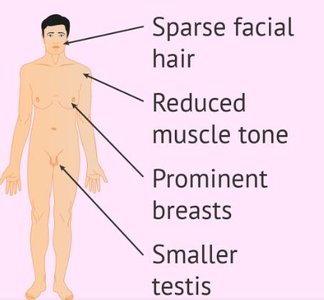
Klinefelter syndrome (XXY, XXXY, etc.): Males with extra X chromosomes; tall, normal intelligence, sterile.
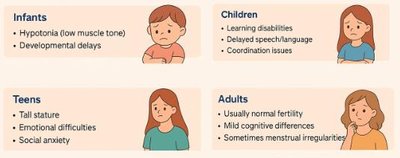
Poly-X females (XXX, XXXX, etc.): Females with multiple X chromosomes; severity of intellectual disability increases with more X chromosomes.
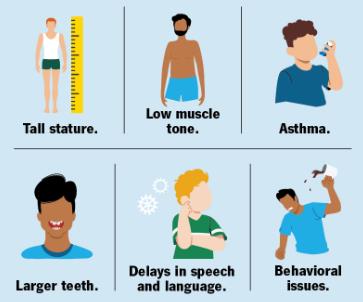
XYY males: Males with extra Y chromosome; generally no distinctive features, sometimes linked to learning disabilities.
The Role of Sex Chromosomes and SRY Gene
X chromosome: Essential for both sexes; at least one copy required.
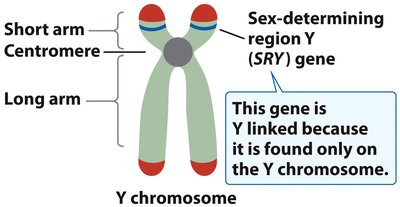
Y chromosome: Contains SRY gene, which determines maleness.
SRY gene: Encodes transcription factor for testes differentiation; absence leads to female phenotype.
Testes: Secrete testosterone and anti-Müllerian hormone, influencing sexual development.
Androgen-Insensitivity Syndrome
Individuals with XY chromosomes but defective androgen receptors develop female characteristics, despite having testes and producing testosterone. This illustrates the complexity of human sexual development.
Sex Determination in Drosophila melanogaster
Genic Balance System and X:A Ratio
In Drosophila, sex is determined by the ratio of X chromosomes to sets of autosomes (X:A ratio).
Normal female: AA XX (2 X : 2 A = 1)
Normal male: AA XY (1 X : 2 A = 0.5)
Metafemale: AA XXX (3 X : 2 A = 1.5)
Metamale: AAA XY (1 X : 3 A = 0.3)
Intersex: AAA XX (2 X : 3 A = 0.67)
Sex-Linked Inheritance Patterns
X-Linked Characteristics
X-linked traits are encoded by genes on the X chromosome. Males are hemizygous for X-linked loci, while females can be homozygous or heterozygous.
Example: White eyes in Drosophila (X-linked recessive trait).
Classic hemophilia: X-linked recessive trait in humans.
Colour blindness: X-linked recessive trait in humans.
Z-Linked Characteristics
In ZZ-ZW systems, Z-linked traits are inherited similarly to X-linked traits, but the pattern is reversed between males and females.
Y-Linked Characteristics
Y-linked traits: Present only in males; passed from father to son.
Holandric traits: Another term for Y-linked traits.
Dosage Compensation and X-Inactivation
Dosage Compensation Mechanisms
Dosage compensation equalizes the amount of protein produced by X-linked genes in males and females. In humans, one X chromosome is randomly inactivated in females, forming a Barr body.
Lyon hypothesis: All but one X chromosome in a cell is inactivated.
Mosaic expression: Females heterozygous for X-linked genes show mosaic patterns (e.g., calico cats).
Xist gene: Responsible for X chromosome inactivation.
Summary
Sex determination involves chromosomal, genic, and environmental mechanisms.
Sex chromosome abnormalities arise from meiotic non-disjunction.
Sex-linked inheritance patterns are distinctive and can be predicted using genetic crosses.
Dosage compensation ensures equal expression of X-linked genes in both sexes.
