 Back
Sex Linkage, Sex Chromosomes, and Dosage Compensation in Genetics
Study Guide - Smart Notes
 Tailored notes based on your materials, expanded with key definitions, examples, and context.
Sex Linkage
Definition and Overview
Sex linkage refers to the inheritance patterns of genes located on the sex chromosomes (X or Y). These patterns differ from autosomal inheritance due to the unique composition of sex chromosomes in males and females. The X chromosome contains significantly more genes than the Y chromosome, so 'sex-linked' typically refers to X-linked genes.
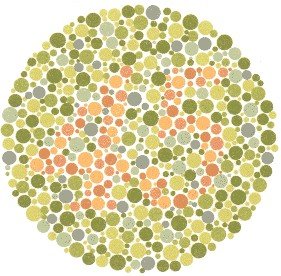
Examples: Hemophilia and color blindness are more common in men due to X-linked inheritance.
Genetic Basis: Males (XY) have only one X chromosome, so a single recessive mutation on the X chromosome will manifest, as there is no 'backup' allele.
Key Terminology
Hemizygous: Males are hemizygous for X-linked genes, possessing only one allele for each gene on the X chromosome.
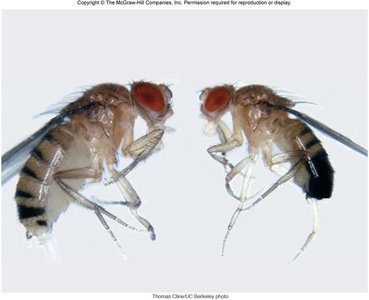
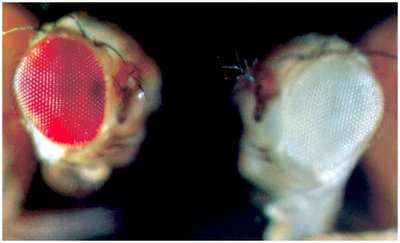
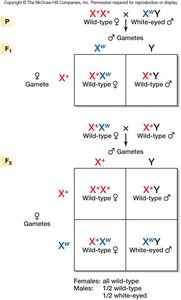
Pseudodominance: When only one copy of a gene is present (as in males for X-linked genes), a recessive allele can determine the phenotype. For example, a male fruit fly with a recessive w allele will have white eyes, even though this trait is recessive in females.
Patterns of X-Linked Recessive Inheritance
Higher Incidence in Males: Males are more frequently affected by X-linked recessive disorders.
Crisscross Inheritance: Males pass their X-linked traits to all daughters (who become carriers if the trait is recessive), but never to sons. Female carriers can pass the trait to 50% of their sons.
Deviation from Mendel's Laws: These inheritance patterns differ from Mendelian inheritance because Mendel studied only autosomal traits.
Sex-Limited and Sex-Influenced Traits
Sex-Limited Traits: Expressed in only one gender, though the genes are autosomal and present in both sexes (e.g., breast development, facial hair).
Sex-Influenced Traits: Phenotype is seen in both genders, but dominance relationships differ (e.g., some forms of baldness, long QT syndrome).
Case Study: White-Eyed Male Drosophila
Morgan's Experiments
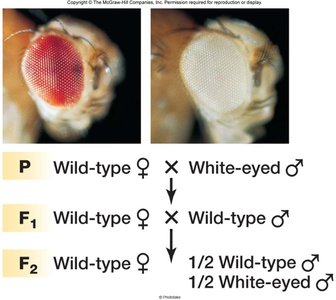
In 1910, Thomas Hunt Morgan discovered sex-linked inheritance in fruit flies. He observed a white-eyed mutant male and crossed it with a wild-type (red-eyed) female. All F1 offspring were wild-type. In the F2 generation, all females were red-eyed, while males were split 50:50 between red and white eyes, indicating X-linked inheritance.
Reciprocal Cross
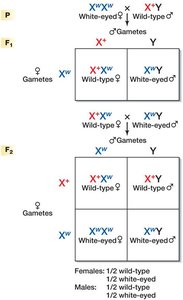
When Morgan performed the reciprocal cross (white-eyed female x red-eyed male), the inheritance pattern changed, further confirming X-linkage. This crisscross pattern is a hallmark of X-linked traits.
Nondisjunction and Chromosomal Variation
Nondisjunction
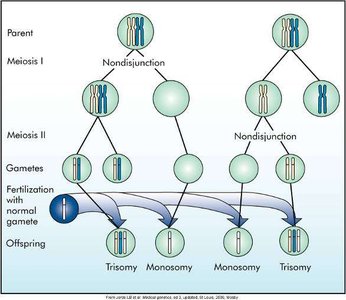
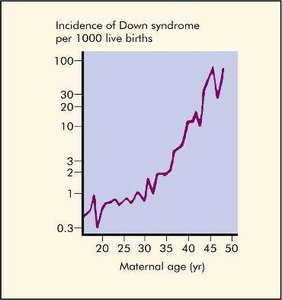
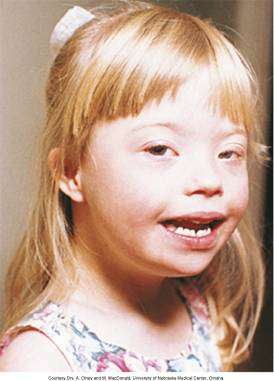
Nondisjunction is the failure of homologous chromosomes or sister chromatids to separate properly during meiosis, leading to gametes with abnormal chromosome numbers. This can result in conditions such as trisomy (e.g., Down syndrome) or monosomy.
The Human Y Chromosome and Sex Determination
Structure and Function
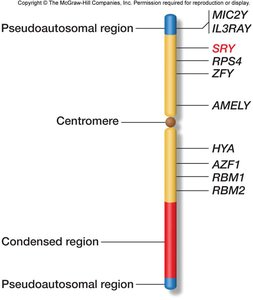
The Y chromosome contains about 171 genes, including the SRY (Sex-determining Region Y) gene, which triggers male development.
The Pseudoautosomal regions allow pairing with the X chromosome during meiosis.
Environmental Control of Sex Determination
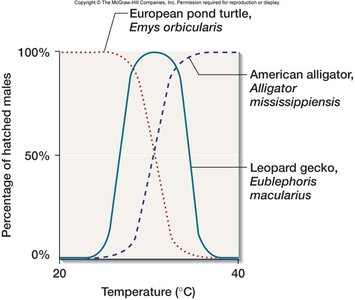
In some species, environmental factors such as temperature can influence sex determination. For example, temperature affects the expression of steroid biosynthesis enzymes, altering the sex ratio in reptiles.
Gene Balance and Dosage Compensation
Dosage Compensation Mechanisms
Dosage compensation ensures equal expression of X-linked genes in males and females. In Drosophila, males increase X gene expression; in mammals, females inactivate one X chromosome (X-inactivation).
X Chromosome Inactivation in Humans
One X chromosome in females becomes transcriptionally inactive, forming a Barr body.
Inactivation is random (except in marsupials, where the paternal X is always inactivated).
Once inactivated, all descendant cells maintain the same inactive X, resulting in genetic mosaics (e.g., calico cats).
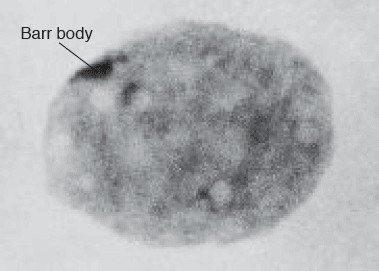
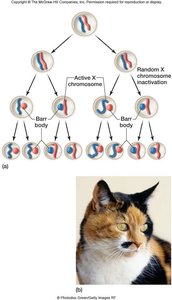
Additional info: X-inactivation occurs at the 500-1000 cell stage of embryonic development. Genes in the pseudoautosomal regions and select others remain active in the Barr body.
