 Back
BackTranscriptional and Post-Transcriptional Regulation of Gene Expression
Study Guide - Smart Notes
 Tailored notes based on your materials, expanded with key definitions, examples, and context.
Transcriptional & Post-Transcriptional Regulation of Gene Expression
Overview of Gene Regulation
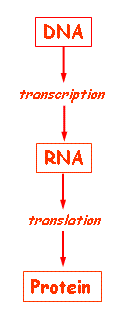
Gene expression in both prokaryotes and eukaryotes is tightly regulated at multiple levels to ensure proper cellular function and response to environmental cues. Regulation can occur at the level of chromatin structure, transcription, mRNA processing, RNA stability, translation, and post-translational modification.
Transcriptional regulation: Determines which genes are transcribed and at what rate.
Post-transcriptional regulation: Controls mRNA processing, stability, and translation efficiency.
Translational regulation: Modulates the rate and efficiency of protein synthesis from mRNA.
Post-translational modification: Alters protein function, stability, and localization after translation.
Prokaryotic vs. Eukaryotic Genomes
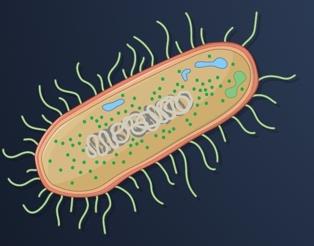
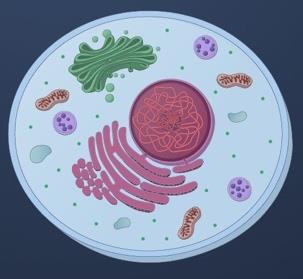
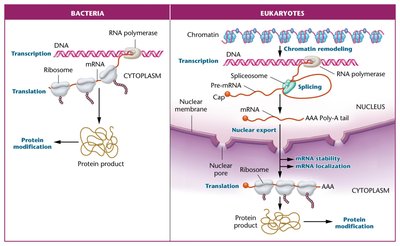
Prokaryotic and eukaryotic organisms differ significantly in genome structure and gene regulation mechanisms.
Prokaryotes (e.g., E. coli): Small, circular genomes, mostly coding DNA, no histones, rapid division and replication, minimal RNA processing.
Eukaryotes (e.g., humans): Large, linear genomes, mostly noncoding DNA, DNA packaged with histones into chromatin, slower division and replication, extensive RNA processing (splicing, capping, polyadenylation).
Levels of Gene Regulation
1. DNA or Chromatin Structure Alteration
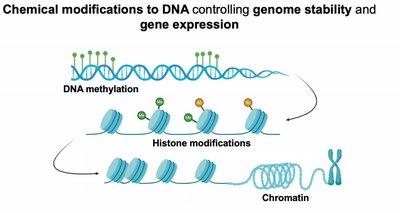
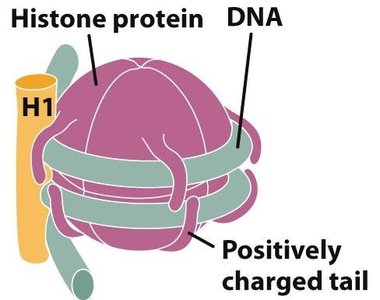
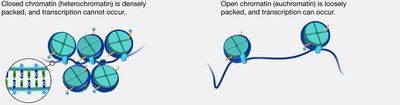
Chromatin structure plays a critical role in regulating gene accessibility and transcription in eukaryotes. Modifications to DNA and histones can either promote or inhibit gene expression.
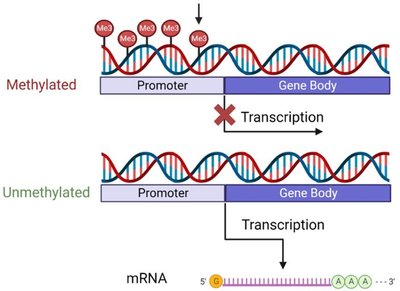
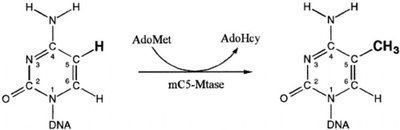
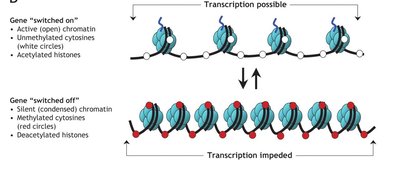
DNA methylation: Addition of methyl groups to cytosine bases (especially in CpG islands) leads to transcriptional repression and chromatin silencing.
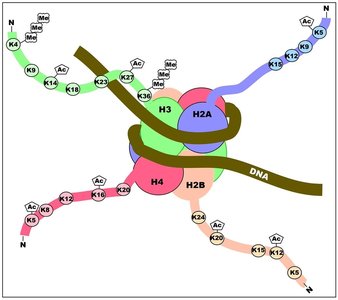
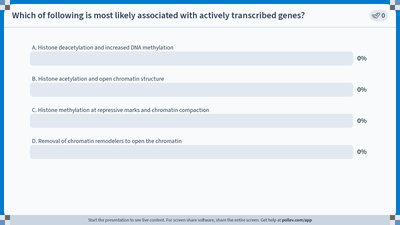
Histone modification: Includes methylation (can activate or repress), acetylation (generally activates), and ubiquitination. These modifications alter chromatin compaction and accessibility.
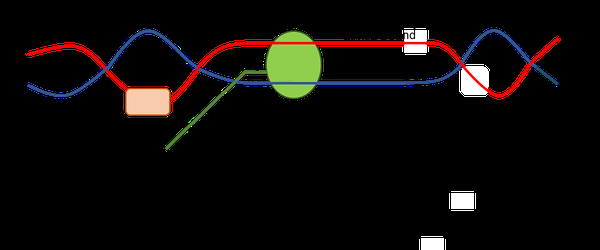
Chromatin remodeling: Protein complexes reposition nucleosomes, making DNA more or less accessible to transcription machinery.
2. Transcription Regulation
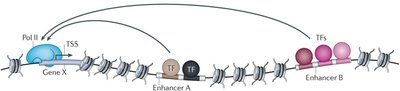
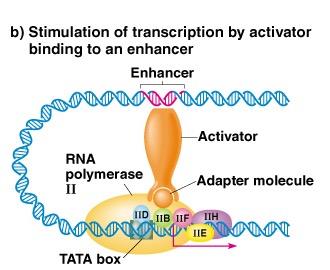
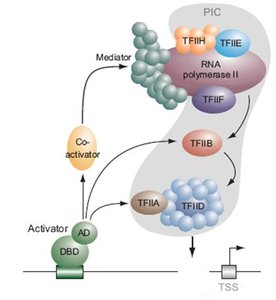
Transcriptional regulation determines when and how much a gene is transcribed. This involves the interplay of DNA regulatory elements and protein factors.
Core promoter: Region immediately upstream of the gene, necessary for transcription initiation (contains TATA box, CAAT box).
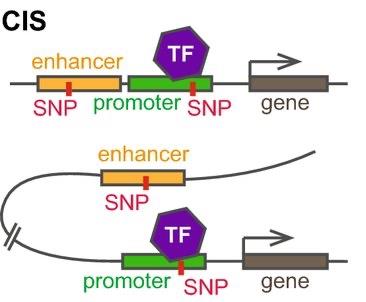
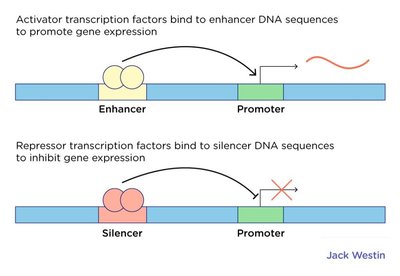
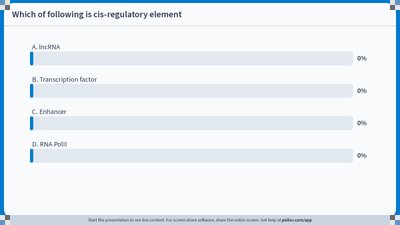
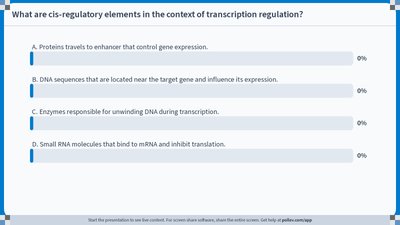
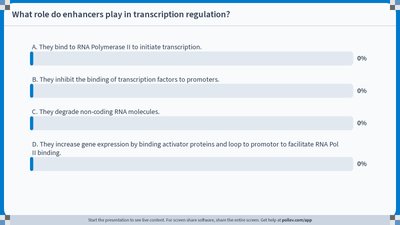
Cis-regulatory elements (CREs): Non-coding DNA sequences near the gene (promoters, enhancers, silencers, insulators) that regulate transcription of neighboring genes.
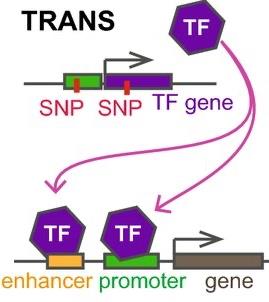
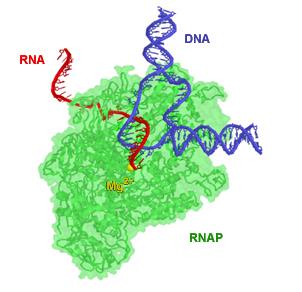
Trans-regulatory elements (TREs): Proteins or RNAs (e.g., transcription factors, RNA polymerase) that bind to CREs to modulate gene expression.

3. Post-Transcriptional Regulation
After transcription, mRNA molecules undergo several processing steps and are subject to regulation that affects their stability and translation efficiency.
mRNA processing: Includes addition of a 5' cap, poly(A) tail, and splicing to remove introns. Alternative splicing allows for multiple protein products from a single gene.
RNA stability: The steady-state level of mRNA depends on the balance between transcription and degradation. Mechanisms include deadenylation, decapping, and exonucleolytic decay.
RNA interference (RNAi): Small non-coding RNAs (siRNAs, miRNAs) guide the RNA-induced silencing complex (RISC) to degrade or inhibit translation of target mRNAs.
4. Translational Regulation
Translational regulation controls the efficiency and rate at which mRNAs are translated into proteins. This can involve mRNA localization, availability of translation factors, and regulatory RNAs.
miRNAs: Can block translation initiation by binding to the 5' cap or interacting with translation initiation factors.
Substrate availability: The presence of ribosomes, tRNAs, and initiation factors can modulate translation rates.
5. Post-Translational Modification (PTM)
Proteins can be chemically modified after translation, affecting their function, stability, and localization. Common PTMs include phosphorylation, acetylation, methylation, ubiquitination, and glycosylation.
Ubiquitin-mediated degradation: Proteins tagged with ubiquitin are targeted for degradation by the proteasome, regulating protein levels and activity.
Summary Table: Types and Actions of Gene Regulation
Regulation Type | Action Type | Level of Regulation |
|---|---|---|
Chromatin Remodeling | Activate | Chromatin Structure |
Histone Methylation | Activate/Inhibit | Chromatin Structure |
Histone Acetylation | Activate | Chromatin Structure |
DNA Methylation | Inhibit | DNA Structure |
Activators | Activate | Transcription |
Repressors | Inhibit | Transcription |
Enhancers | Activate | Transcription |
Insulators | Inhibit | Transcription |
RNA splicing | Activate/Inhibit | mRNA processing |
RNA degradation | Inhibit | RNA Stability |
Interfering RNA (siRNA, miRNA) | Inhibit | RNA Stability |
Translational apparatus availability | Activate/Inhibit | Translation |
Selective cleavage, acetylation, phosphorylation, etc. | Activate/Inhibit | Post-translational modification |
Key Concepts and Applications
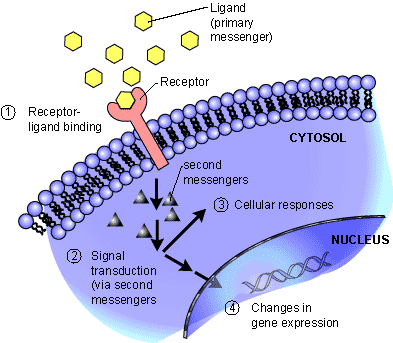
Gene regulation is essential for cell differentiation, development, and response to environmental signals.
Multiple layers of regulation allow for fine-tuned control of gene expression.
Disruption in gene regulation can lead to diseases such as cancer and developmental disorders.
