Back

Galvanic Cell (Simplified) definitions

Control buttons has been changed to "navigation" mode.
1/15
  • Galvanic Cell

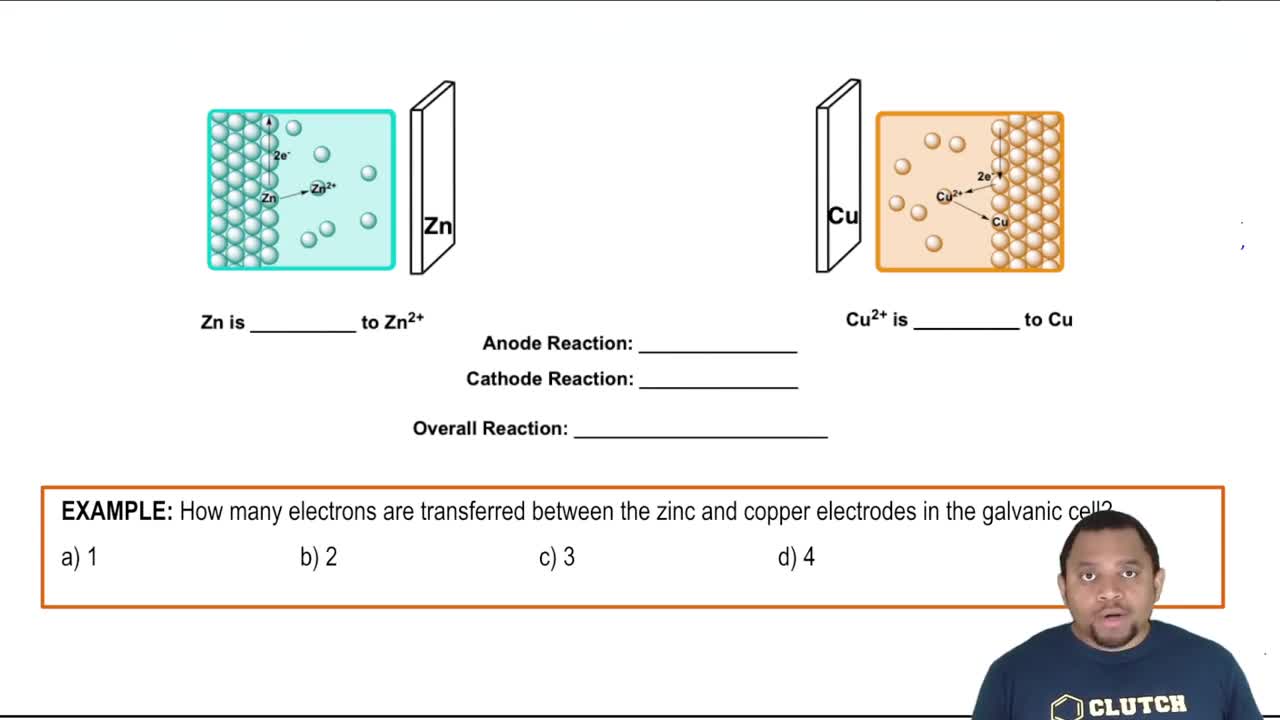
    A spontaneous electrochemical system that transforms chemical energy into electrical energy using two electrodes and a salt bridge.
  • Voltaic Cell

    Another name for a spontaneous electrochemical device that generates electricity from chemical reactions.
  • Electrolytic Cell

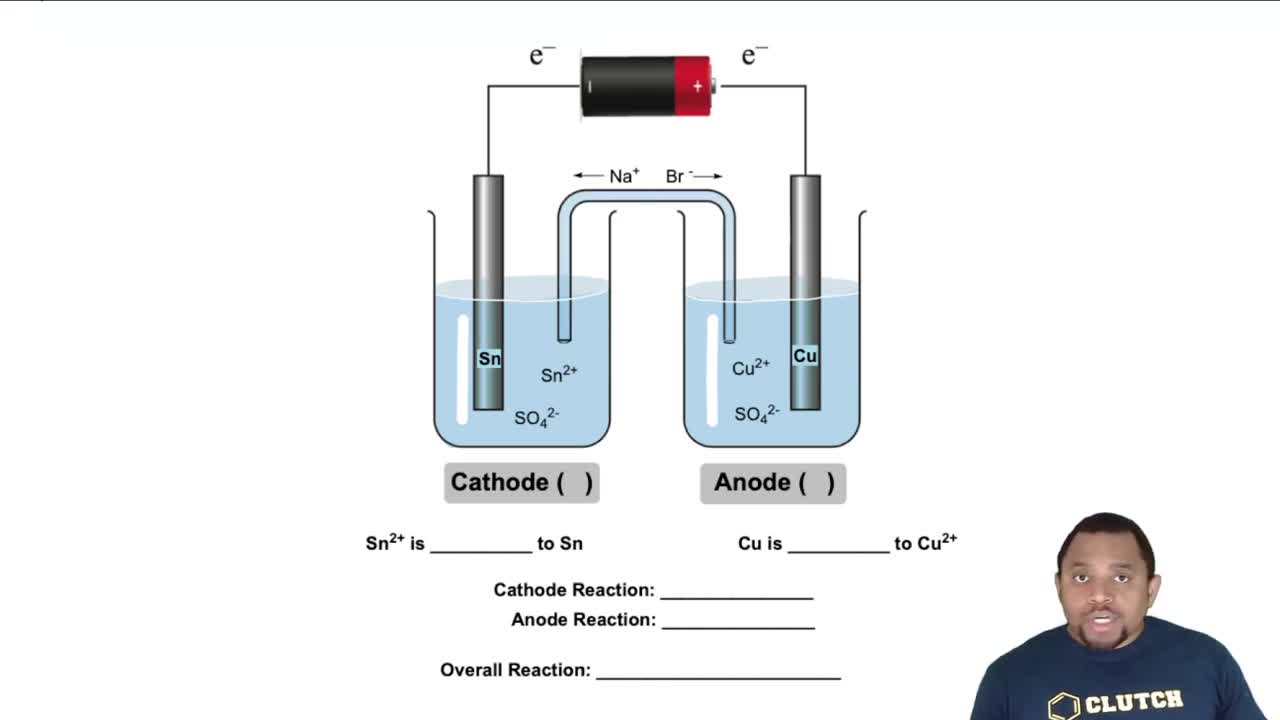
    A non-spontaneous electrochemical system that requires external electrical energy to drive chemical changes.
  • Anode

    The negatively charged electrode where oxidation and electron loss occur in a galvanic cell.
  • Cathode

    The positively charged electrode where reduction and electron gain occur in a galvanic cell.
  • Oxidation

    A process involving the loss of electrons, always occurring at the anode in both cell types.
  • Reduction

    A process involving the gain of electrons, always occurring at the cathode in both cell types.
  • Salt Bridge

    A tube connecting two half-cells, allowing neutral ions to flow and completing the electrical circuit.
  • Electrode

    A metal component in each half-cell that participates in electron transfer during cell operation.
  • Electron Flow

    The movement of electrons from the anode to the cathode, generating electrical current in the cell.
  • Neutral Ion

    An ion in solution without acidic or basic properties, essential for proper cell function.
  • Voltmeter

    A device used to measure the amount of electricity produced by an electrochemical cell.
  • Battery

    A practical device based on electrochemical cells, capable of storing and delivering electrical energy.
  • Electrolysis

    A process in which external electrical energy is used to drive non-spontaneous chemical reactions.
  • Rechargeable Battery

    A device utilizing both galvanic and electrolytic cell principles to store and release energy repeatedly.