Ch. 14 The Autonomic Nervous System and Homeostasis
Amerman- Human Anatomy & Physiology 3e
Amerman3rd EditionHuman Anatomy & PhysiologyISBN: 9780138247201, 9780138247928, 9780138201814Non è quello che usi tu?Cambia libro di testo
Capitolo 14, Problema L3.A3

Mr. Chevalier has been diagnosed with Horner syndrome, which is caused by dysfunction of the sympathetic neurons in the superior cervical ganglion that innervate structures of the head, face, and neck. What symptoms is Mr. Chevalier likely to face due to his disease? Explain.

Guida verificata passo dopo passo
1
Understand the role of the sympathetic nervous system in the superior cervical ganglion. The superior cervical ganglion is part of the sympathetic nervous system and provides innervation to structures in the head, face, and neck, including the eyes, sweat glands, and blood vessels.
Recognize the symptoms associated with Horner syndrome. Horner syndrome results from disruption of sympathetic innervation, leading to characteristic symptoms such as ptosis (drooping of the upper eyelid), miosis (constricted pupil), and anhidrosis (lack of sweating) on the affected side of the face.
Explain the mechanism behind ptosis. Ptosis occurs because the sympathetic nerves normally stimulate the superior tarsal muscle, which helps elevate the upper eyelid. Dysfunction of these nerves leads to drooping of the eyelid.
Describe the cause of miosis. Miosis happens because the sympathetic nerves are responsible for dilating the pupil. When these nerves are impaired, the parasympathetic system dominates, causing the pupil to remain constricted.
Discuss the reason for anhidrosis. Anhidrosis occurs due to the loss of sympathetic stimulation to the sweat glands on the affected side of the face, resulting in reduced or absent sweating.

Risposta video verificata per un problema simile:

Questa soluzione video è stata consigliata dai nostri tutor come utile per risolvere questo problema.

Concetti chiave

Ecco i concetti essenziali che devi comprendere per rispondere correttamente alla domanda.

Horner Syndrome

Horner syndrome is a neurological condition resulting from disruption of sympathetic nerve pathways, particularly affecting the eye and surrounding structures. It is characterized by a triad of symptoms: ptosis (drooping of the upper eyelid), miosis (constricted pupil), and anhidrosis (lack of sweating) on the affected side of the face. Understanding this syndrome is crucial for recognizing its clinical manifestations and underlying causes.
Video consigliato:
01:52
Anatomical Terms for the Leg and Foot Example 2

Sympathetic Nervous System

The sympathetic nervous system is part of the autonomic nervous system responsible for the body's 'fight or flight' response. It prepares the body for stressful situations by increasing heart rate, dilating pupils, and inhibiting digestion. Dysfunction in this system, particularly in the superior cervical ganglion, can lead to the symptoms observed in Horner syndrome, highlighting the importance of sympathetic pathways in regulating facial and ocular functions.
Video consigliato:
1:21
Sympathetic Nervous System Example 3

Superior Cervical Ganglion

The superior cervical ganglion is the largest of the sympathetic ganglia and is located in the neck. It plays a critical role in innervating structures in the head and neck, including the eyes, salivary glands, and sweat glands. Damage or dysfunction in this ganglion can lead to the characteristic symptoms of Horner syndrome, making it essential to understand its anatomy and function in relation to sympathetic nervous system disorders.
Video consigliato:
03:39
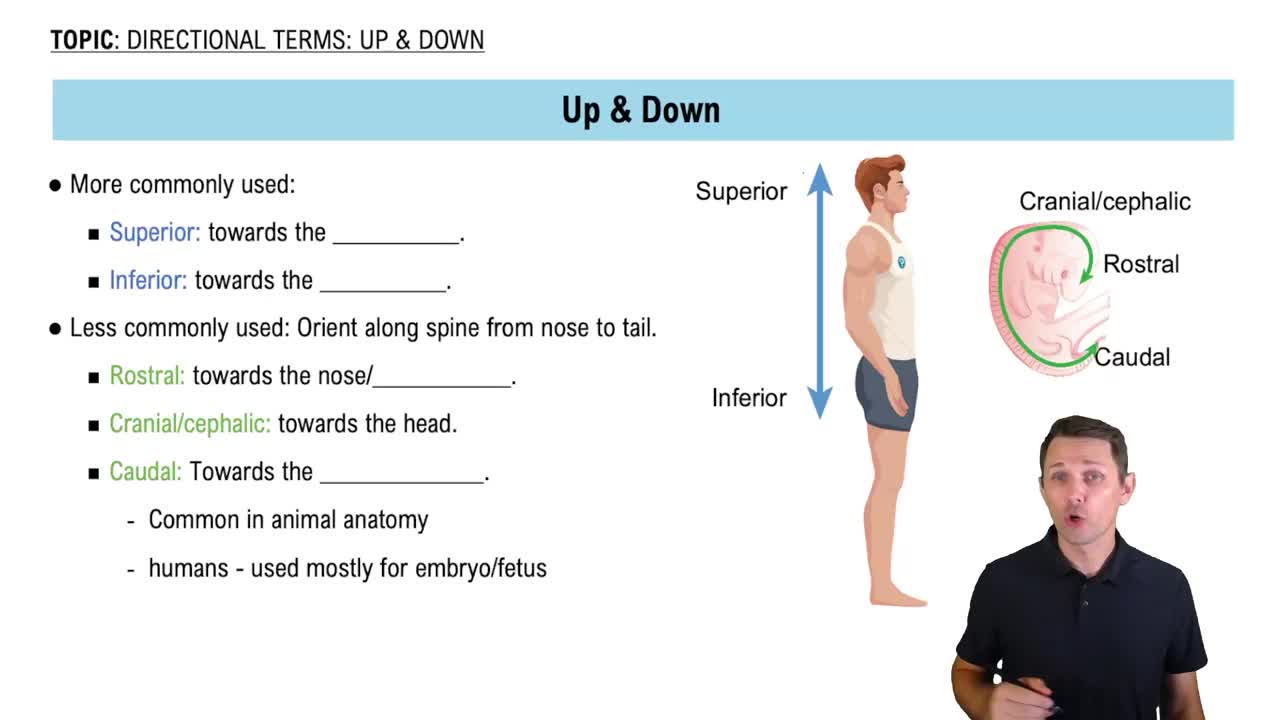
Superior and Inferior
Pratica correlata
Domanda del libro di testo

Sympathetic preganglionic neurons synapse:


a. directly on target cells.

b. on skeletal muscle fibers.

c. on sympathetic chain or collateral ganglia.

d. on vagal ganglia.

691
views

Domanda del libro di testo

Describe all the changes initiated by the parasympathetic nervous system that will take place when you finish the race. How will these changes maintain homeostasis?

696
views
Domanda del libro di testo

Which cranial nerves would be affected by a drug that stimulates the parasympathetic nervous system? Predict potential adverse effects that one might experience.

631
views
Domanda del libro di testo

A patient, Dr. Young, has both asthma and high blood pressure. Her physician prescribed the drug propranolol to treat her hypertension; this drug blocks all types of β-adrenergic receptors. She also takes the drug albuterol for asthma, which activates β2 receptors on bronchial smooth muscle. Will the pairing of these two drugs cause problems for Dr. Young? Explain.

642
views
Domanda del libro di testo

Common findings in heart failure are fluid retention by the kidneys and stimulation of the heart by the sympathetic nervous system. How would both of these findings help the body to compensate for the failing heart?

588
views
Domanda del libro di testo

The poison curare (kyoo-RAH-ray) blocks the binding of acetylcholine to its receptors at the neuromuscular junction. What effects would you predict from such a poison? Can you think of any useful applications for it? Why might an overdose of it be lethal?

847
views