
Ch. 16 The Autonomic Nervous System and Higher-Order Functions
Martini - Fundamentals of Anatomy & Physiology 11th Edition
Martini, Nath, Bartholomew11th EditionFundamentals of Anatomy & PhysiologyISBN: 9780136874089Non è quello che usi tu?Cambia libro di testo
Capitolo 16, Problema 30

Phil is stung on his cheek by a wasp. Because Phil is allergic to wasp venom, his throat begins to swell and his respiratory passages constrict. Would acetylcholine or epinephrine be more helpful in relieving his condition? Why?

Guida verificata passo dopo passo
1
Step 1: Identify the physiological problem caused by the wasp sting. Phil's throat swelling and constricted respiratory passages indicate an allergic reaction leading to airway obstruction, which can cause difficulty breathing.
Step 2: Understand the roles of acetylcholine and epinephrine in the autonomic nervous system. Acetylcholine primarily acts in the parasympathetic nervous system, often causing bronchoconstriction and increased secretions, which would worsen airway constriction.
Step 3: Recognize that epinephrine is a hormone and neurotransmitter that activates the sympathetic nervous system, leading to bronchodilation (relaxation of airway smooth muscle), vasoconstriction (reducing swelling), and increased heart rate to improve oxygen delivery.
Step 4: Analyze which substance would counteract the symptoms. Since epinephrine causes bronchodilation and reduces swelling, it would relieve the airway constriction and improve breathing, whereas acetylcholine would likely exacerbate the problem.
Step 5: Conclude that epinephrine is more helpful in this allergic reaction because it reverses airway constriction and swelling, making it the preferred treatment in cases of anaphylaxis or severe allergic reactions.

Risposta video verificata per un problema simile:

Questa soluzione video è stata consigliata dai nostri tutor come utile per risolvere questo problema.

Concetti chiave

Ecco i concetti essenziali che devi comprendere per rispondere correttamente alla domanda.

Allergic Reaction and Anaphylaxis

An allergic reaction occurs when the immune system overreacts to a harmless substance, such as wasp venom. In severe cases like anaphylaxis, symptoms include throat swelling and airway constriction, which can obstruct breathing and require immediate medical intervention.
Video consigliato:
Percorso guidato
01:56
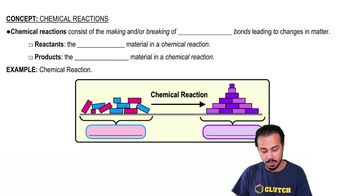
Chemical Reactions

Role of Acetylcholine in the Nervous System

Acetylcholine is a neurotransmitter involved in the parasympathetic nervous system, which generally promotes 'rest and digest' functions. It can cause bronchoconstriction and increased secretion in the respiratory tract, which would worsen airway constriction during an allergic reaction.
Video consigliato:
3:33
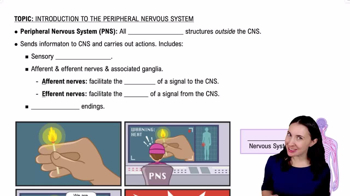
Peripheral Nervous System

Role of Epinephrine in Treating Anaphylaxis

Epinephrine is a hormone and neurotransmitter that activates the sympathetic nervous system, causing bronchodilation and vasoconstriction. It is the first-line treatment for anaphylaxis because it relaxes airway muscles and reduces swelling, helping to restore normal breathing.
Video consigliato:
2:40
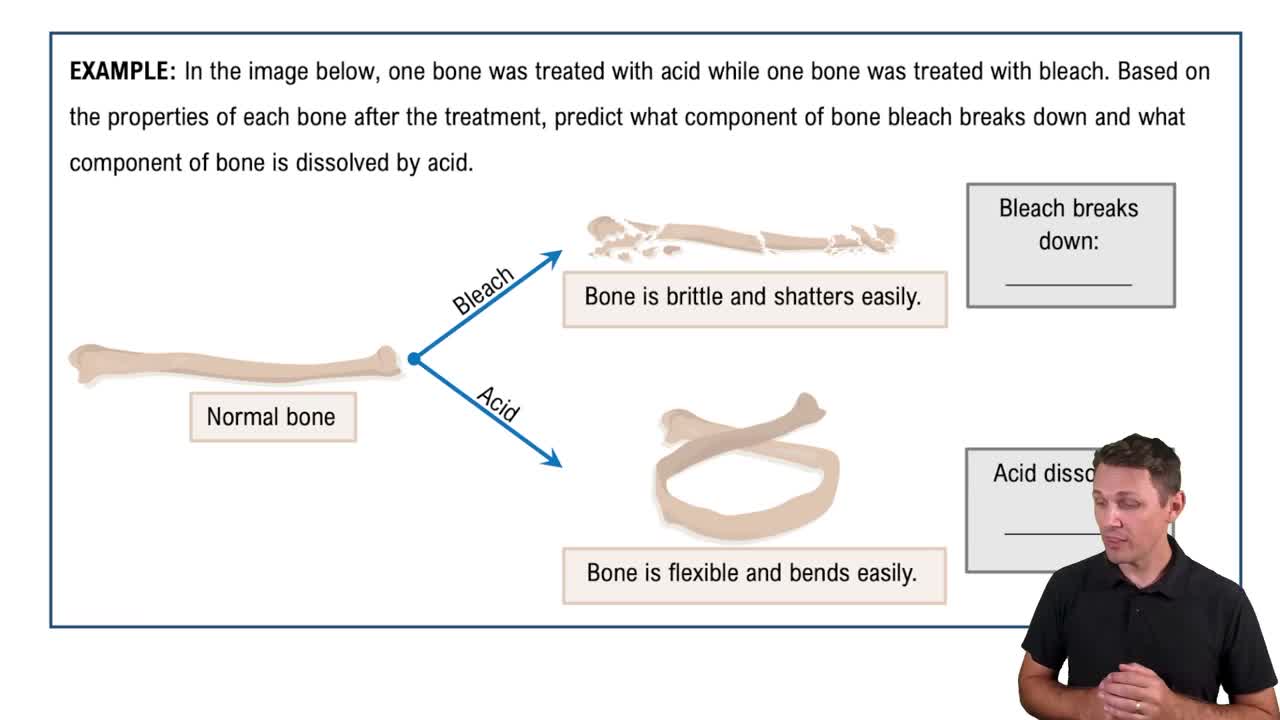
Microscopic Anatomy of Bones - Bone Matrix Example 1