
Ch. 16 The Autonomic Nervous System and Higher-Order Functions
Martini - Fundamentals of Anatomy & Physiology 11th Edition
Martini, Nath, Bartholomew11th EditionFundamentals of Anatomy & PhysiologyISBN: 9780136874089Non è quello che usi tu?Cambia libro di testo
Capitolo 16, Problema 29

The condition known as shock is characterized in part by a decreased return of venous blood to the heart. How could an upsetting situation, such as the sight of a tragic accident or very bad news, produce some temporary symptoms of shock?

Guida verificata passo dopo passo
1
Step 1: Understand that the sight of a tragic accident or very bad news can trigger the body's 'fight or flight' response, which is controlled by the sympathetic nervous system.
Step 2: Recognize that this sympathetic activation causes the release of stress hormones like adrenaline (epinephrine), which lead to vasoconstriction (narrowing of blood vessels) in certain areas of the body.
Step 3: Note that vasoconstriction in the veins reduces their capacity to hold blood, which can decrease venous return—the amount of blood flowing back to the heart.
Step 4: Understand that decreased venous return means less blood fills the heart during diastole, reducing stroke volume and cardiac output temporarily.
Step 5: Connect these physiological changes to the symptoms of shock, such as dizziness, weakness, or fainting, which can occur temporarily due to reduced blood flow to vital organs including the brain.

Risposta video verificata per un problema simile:

Questa soluzione video è stata consigliata dai nostri tutor come utile per risolvere questo problema.

Concetti chiave

Ecco i concetti essenziali che devi comprendere per rispondere correttamente alla domanda.

Venous Return and Cardiac Output

Venous return is the flow of blood back to the heart, which directly affects cardiac output—the amount of blood the heart pumps per minute. A decrease in venous return reduces cardiac output, leading to insufficient blood flow to organs and tissues, a key feature of shock.
Video consigliato:
9:44
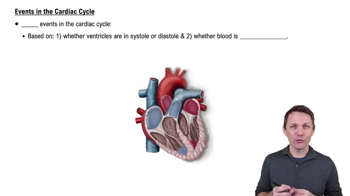
Events in the Cardiac Cycle

Sympathetic Nervous System Activation

An upsetting situation triggers the sympathetic nervous system, causing the release of stress hormones like adrenaline. This response can lead to vasoconstriction and increased heart rate, but in some cases, it may also cause blood to pool in certain areas, temporarily reducing venous return.
Video consigliato:
1:20
Sympathetic Nervous System Example 1

Psychogenic (Emotional) Shock

Psychogenic shock occurs when emotional stress causes a sudden drop in blood pressure and heart rate due to nervous system reflexes. This can reduce venous return and mimic physical shock symptoms, such as dizziness or fainting, even without actual blood loss or injury.
Video consigliato:
2:05
Control of the ANS Example 2