Ch. 24 The Digestive System
Martini - Fundamentals of Anatomy & Physiology 11th Edition
Martini, Nath, Bartholomew11th EditionFundamentals of Anatomy & PhysiologyISBN: 9780136874089당신이 사용하는 게 아니라요?교과서 변경
24장, 문제 28

Nutritionists have found that after a heavy meal, the pH of blood increases slightly, especially in the veins that carry blood away from the stomach. What causes this increase in blood pH?

검증된 단계별 안내
1
Step 1: Understand that pH is a measure of hydrogen ion concentration, where an increase in pH means the blood is becoming more alkaline (fewer hydrogen ions).
Step 2: Recall that after a heavy meal, the stomach produces more gastric acid (HCl) to aid digestion, which increases acidity in the stomach lumen but does not directly acidify the blood.
Step 3: Recognize that the blood leaving the stomach (via the veins) carries absorbed nutrients and metabolic byproducts, including bicarbonate ions (HCO₃⁻) released from the pancreas to neutralize stomach acid in the small intestine.
Step 4: Understand that the release of bicarbonate into the bloodstream raises the blood's pH by neutralizing hydrogen ions, causing the slight increase in blood pH observed after a meal.
Step 5: Summarize that the increase in blood pH after a heavy meal is primarily due to the influx of bicarbonate ions into the blood from the pancreas, which neutralizes acid and makes the blood more alkaline.

비슷한 문제에 대한 검증된 영상 답변:

이 영상 해법은 위 문제에 도움이 된다고 튜터들이 추천한 것입니다.

주요 개념

질문에 올바르게 답하기 위해 반드시 이해해야 하는 핵심 개념들은 다음과 같습니다.

Blood pH and Acid-Base Balance

Blood pH measures how acidic or basic the blood is, normally maintained around 7.35-7.45. The body regulates this balance through buffers, respiration, and kidney function to keep enzymes and metabolic processes functioning properly.
추천 영상:
가이드 코스
01:29
Acids and Bases

Digestion and Metabolic Byproducts

During digestion, food is broken down into nutrients, producing metabolic byproducts like carbon dioxide and acids. After a heavy meal, increased metabolism and nutrient absorption can alter the concentration of these substances, influencing blood pH.
추천 영상:
가이드 코스
02:17
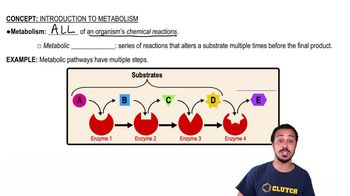
Introduction to Metabolism

Role of Carbon Dioxide in Blood pH

Carbon dioxide (CO2) dissolves in blood forming carbonic acid, which lowers pH. After eating, blood leaving the stomach may have reduced CO2 due to increased oxygen use and metabolic changes, causing a slight rise in blood pH (more alkaline).
추천 영상: