Ch. 16 - Genomics: Genetics from a Whole-Genome Perspective
Sanders - Genetic Analysis: An Integrated Approach 3rd Edition
Sanders3rd EditionGenetic Analysis: An Integrated ApproachISBN: 9780135564172당신이 사용하는 게 아니라요?교과서 변경
16장, 문제 B.14d

Select one of the hereditary conditions from either the RUSP core conditions list or the RUSP list of secondary conditions and do some online research to find the following information:
The recommended treatment for those with the condition.

검증된 단계별 안내
1
Identify a hereditary condition from the Recommended Uniform Screening Panel (RUSP) core or secondary conditions list. These are genetic disorders commonly screened for in newborns.
Conduct online research using reputable sources such as medical databases, genetic disorder organizations, or government health websites to gather information about the chosen condition.
Focus your research on the recommended treatment options for the condition. Treatments may include dietary management, enzyme replacement therapy, medication, or other interventions.
Summarize the treatment recommendations clearly, noting if treatments are preventive, curative, or supportive, and whether early intervention is critical.
Optionally, note any genetic counseling or follow-up care recommended for patients and families affected by the condition.

비슷한 문제에 대한 검증된 영상 답변:

이 영상 해법은 위 문제에 도움이 된다고 튜터들이 추천한 것입니다.
영상 길이:
2m
도움이 되었나요?

주요 개념

질문에 올바르게 답하기 위해 반드시 이해해야 하는 핵심 개념들은 다음과 같습니다.

Newborn Screening and the RUSP

The Recommended Uniform Screening Panel (RUSP) is a list of core and secondary conditions that newborns are screened for across the United States. It guides early detection of genetic and metabolic disorders to enable timely intervention. Understanding RUSP helps identify which hereditary conditions are prioritized for screening and treatment.
추천 영상:
가이드 코스
09:32
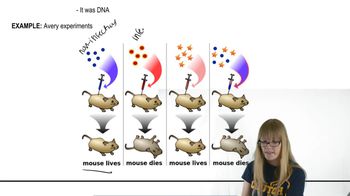
History and Experiments

Hereditary Genetic Conditions

Hereditary genetic conditions are disorders passed from parents to offspring through genes. These conditions often involve mutations affecting protein function or metabolism, leading to disease. Recognizing the genetic basis is essential for understanding disease mechanisms and the rationale behind specific treatments.
추천 영상:
가이드 코스
09:03
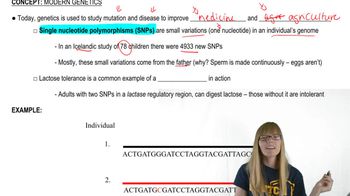
Modern Genetics

Treatment Approaches for Genetic Disorders

Treatment for hereditary conditions varies widely, including dietary management, enzyme replacement, gene therapy, or symptomatic care. Early diagnosis through newborn screening allows for interventions that can prevent or reduce disease severity. Knowing treatment options is crucial for managing patient outcomes effectively.
추천 영상:
가이드 코스
03:45
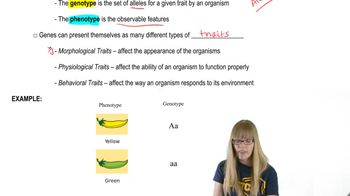
Descriptive Genetics
관련 실천
교과서 질문

Consider the phylogenetic trees below pertaining to three related species (A, B, and C) that share a common ancestor (last common ancestor, or LCA). The lineage leading to species A diverges before the divergence of species B and C.

For gene X, no gene duplications have occurred in any lineage, and each gene X is derived from the ancestral gene X via speciation events. Are genes AX, BX, and CX orthologous, paralogous, or homologous?

392
views
교과서 질문

In the course of the Drosophila melanogaster genome project, the following genomic DNA sequences were obtained. Try to assemble the sequences into a single contig.

5' TTCCAGAACCGGCGAATGAAGCTGAAGAAG 3'

5' GAGCGGCAGATCAAGATCTGGTTCCAGAAC 3'

5' TGATCTGCCGCTCCGTCAGGCATAGCGCGT 3'

5' GGAGAATCGAGATGGCGCACGCGCTATGCC 3'

5' GGAGAATCGAGATGGCGCACGCGCTATGCC 3'

5' CCATCTCGATTCTCCGTCTGCGGGTCAGAT 3'

Go to the URL provided in Problem 14, and using the sequence you have just assembled, perform a blastn search in the 'Nucleotide collection (nr/nt)' database. Does the search produce sequences similar to your assembled sequence, and if so, what are they? Can you tell if your sequence is transcribed, and if it represents protein-coding sequence? Perform a tblastx search, first choosing the 'Nucleotide collection (nr/nt)' database and then limiting the search to human sequences by typing Homo sapiens in the organism box. Are homologous sequences found in the human genome? Annotate the assembled sequence.

486
views
교과서 질문

Select one of the hereditary conditions from either the RUSP core conditions list or the RUSP list of secondary conditions and do some online research to find the following information:

The duration of treatment

582
views
교과서 질문

Consider the phylogenetic trees below pertaining to three related species (A, B, and C) that share a common ancestor (last common ancestor, or LCA). The lineage leading to species A diverges before the divergence of species B and C.

For gene Y, a gene duplication occurred in the lineage leading to A after it diverged from that, leading to B and C. Are genes AY1 and AY2 orthologous or paralogous? Are genes AY1 and BY orthologous or paralogous? Are genes BY and CY orthologous or paralogous?

438
views
교과서 질문

Select one of the hereditary conditions from either the RUSP core conditions list or the RUSP list of secondary conditions and do some online research to find the following information: The frequency of the condition in newborn infants (note any populations in which the condition is more frequent)

451
views
교과서 질문

Select one of the hereditary conditions from either the RUSP core conditions list or the RUSP list of secondary conditions and do some online research to find the following information:

The anticipated outcome if treatment is applied

511
views