Ch.5 Chemical Reactions
Frost - General, Organic and Biological Chemistry 4th Edition
Frost4th EditionGeneral, Organic and Biological ChemistryISBN: 9780134988696당신이 사용하는 게 아니라요?교과서 변경
2장, 문제 75b

How do low-carb diets work? We store glucose molecules in our muscles and liver as glycogen, which consists of thousands of glucose molecules linked together. During periods of fasting, we can activate glycogen to provide glucose.
(b) Individuals who do not eat carbohydrates do not store the same levels of glycogen as people who do. Explain the weight loss associated with storing less glycogen.

검증된 단계별 안내
1
Understand the role of glycogen in the body: Glycogen is a polysaccharide made up of glucose molecules and serves as a storage form of energy in the liver and muscles. When the body needs energy, glycogen is broken down into glucose through glycogenolysis.
Recognize the relationship between glycogen and water: Glycogen is stored in the body along with water molecules. For every gram of glycogen stored, approximately 3-4 grams of water are retained in the body.
Explain the impact of low-carb diets on glycogen storage: Low-carb diets reduce carbohydrate intake, which limits the availability of glucose for glycogen synthesis. As a result, the body stores less glycogen in the liver and muscles.
Connect glycogen depletion to weight loss: When glycogen levels decrease due to a low-carb diet, the associated water stored with glycogen is also lost. This leads to a reduction in body weight, primarily due to water loss rather than fat loss.
Clarify the temporary nature of this weight loss: The weight loss associated with reduced glycogen storage is often temporary. If carbohydrates are reintroduced into the diet, glycogen stores and the associated water weight will be replenished.

비슷한 문제에 대한 검증된 영상 답변:

이 영상 해법은 위 문제에 도움이 된다고 튜터들이 추천한 것입니다.
영상 길이:
2m
도움이 되었나요?

주요 개념

질문에 올바르게 답하기 위해 반드시 이해해야 하는 핵심 개념들은 다음과 같습니다.

Glycogen Storage

Glycogen is a polysaccharide that serves as a form of energy storage in animals, primarily found in the liver and muscles. It is composed of long chains of glucose molecules. When carbohydrates are consumed, they are converted into glucose, which can be stored as glycogen for later use. During fasting or low-carb diets, the body utilizes these glycogen stores for energy, impacting overall metabolism and weight.
추천 영상:
가이드 코스
1:37
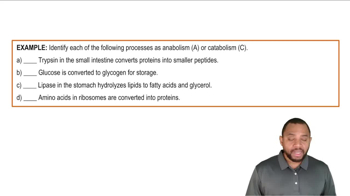
Intro to Metabolism Examples 1

Low-Carb Diet Mechanism

Low-carb diets restrict carbohydrate intake, leading the body to enter a state called ketosis, where it burns fat for fuel instead of glucose. This shift reduces insulin levels and encourages the body to utilize stored fat, which can result in weight loss. Additionally, lower glycogen levels mean less water retention, as glycogen binds to water in the body, further contributing to weight loss.
추천 영상:
가이드 코스
1:41
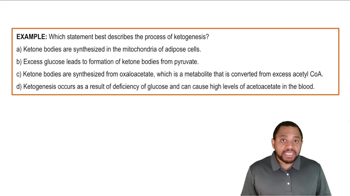
Ketone Bodies Example 1

Weight Loss and Glycogen

The weight loss associated with lower glycogen storage is primarily due to the loss of water weight. Glycogen is stored with water in a roughly 1:3 ratio, meaning that as glycogen stores deplete, the body also loses significant amounts of water. This initial weight loss can be misleading, as it does not necessarily reflect fat loss, but it is a common effect of low-carb diets.
추천 영상:
가이드 코스
1:37
Intro to Metabolism Examples 1