뒤로
뒤로 Bruice 8th EditionCh. 8 - Delocalized Electrons: Their Effect on Stability, pKa, and the Products of a Reaction • Aromaticity and Electronic Effects: An Introduction to the Reactions of Benzene
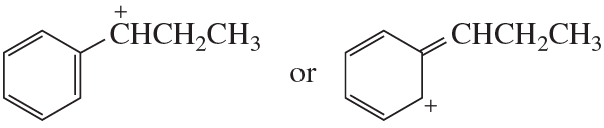
문제 69b
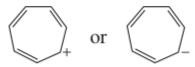
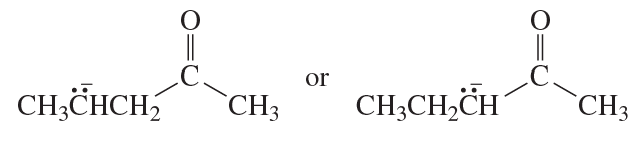
Which ion in each of the following pairs is more stable?
b.
문제 69c
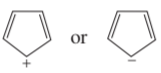
Which ion in each of the following pairs is more stable?
c.
문제 69d
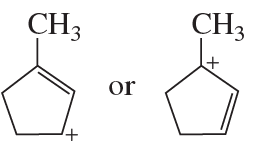
Which ion in each of the following pairs is more stable?
d.
문제 71a,b
Which resonance contributor in each pair makes the greater contribution to the resonance hybrid?
a.
b.
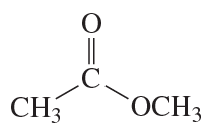
문제 71c
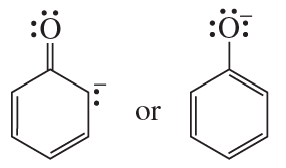
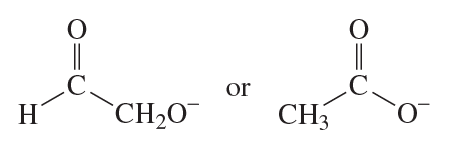
Which resonance contributor in each pair makes the greater contribution to the resonance hybrid?
c.
문제 71d
Which resonance contributor in each pair makes the greater contribution to the resonance hybrid?
d.
문제 73a
Which oxygen atom has the greater electron density?
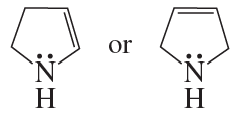
문제 73b
Which compound has the greater electron density on its nitrogen atom?
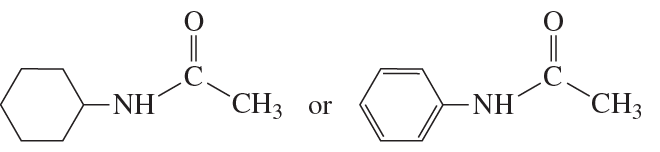
문제 73c
Which compound has the greater electron density on its oxygen atom?
문제 74
Which compound is the strongest base?
문제 75
Which loses a proton more readily: a methyl group bonded to cyclohexane or a methyl group bonded to benzene?
문제 77a
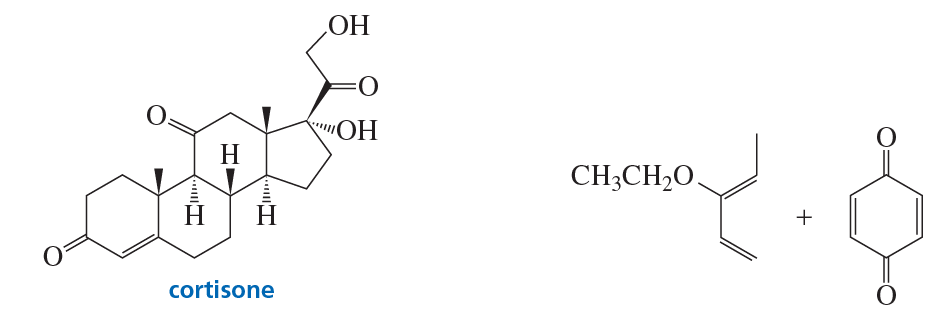
The A ring of cortisone (a steroid) is formed by a Diels–Alder reaction using the two reactants shown here. What is the product of this reaction?
문제 77b
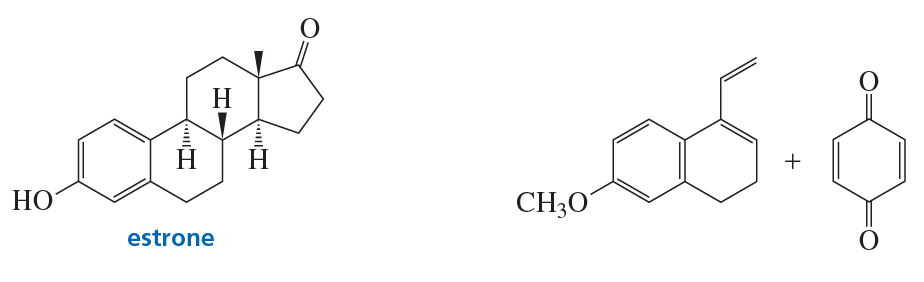
The C ring of estrone (a steroid) is formed by a Diels–Alder reaction using the two reactants shown here. What is the product of this reaction?
문제 79
Rank the following carbocations from most stable to least stable:
문제 81a,b
Which species in each of the pairs in Problem 80 is the stronger base?
a.
b.
문제 82
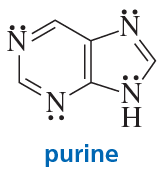
Purine is a heterocyclic compound with four nitrogen atoms.
a. Which nitrogen is most apt to be protonated?
b. Which nitrogen is least apt to be protonated?
문제 85
Rank the indicated hydrogen in the following compounds from most acidic to least acidic:
문제 86a
Answer the following questions for the molecular orbitals (MOs) of 1,3,5,7-octatetraene:
a. How many MOs does the compound have?
문제 86b
Answer the following questions for the molecular orbitals (MOs) of 1,3,5,7-octatetraene:
b. Which are the bonding MOs, and which are the antibonding MOs?
문제 86c
Answer the following questions for the molecular orbitals (MOs) of 1,3,5,7-octatetraene:
c. Which MOs are symmetric, and which are antisymmetric?
문제 86d
Answer the following questions for the molecular orbitals (MOs) of 1,3,5,7-octatetraene:
d. Which MO is the HOMO and which is the LUMO in the ground state?
문제 86e
Answer the following questions for the molecular orbitals (MOs) of 1,3,5,7-octatetraene:
e. Which MO is the HOMO and which is the LUMO in the excited state?
문제 86f
Answer the following questions for the molecular orbitals (MOs) of 1,3,5,7-octatetraene:
f. What is the relationship between HOMO and LUMO and symmetric and antisymmetric orbitals?
문제 86g
Answer the following questions for the molecular orbitals (MOs) of 1,3,5,7-octatetraene:
g. How many nodes does the highest-energy MO of 1,3,5,7-octatetraene have between the nuclei?
문제 87
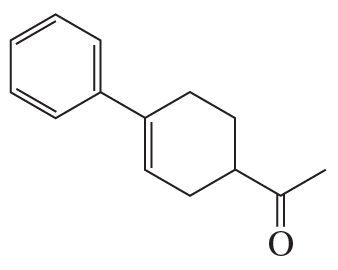
How could you synthesize the following compound from starting materials containing no more than six carbons?
문제 88
A student obtained two products from the reaction of 1,3-cyclohexadiene with Br2 (disregarding stereoisomers). His lab partner was surprised when he obtained only one product from the reaction of 1,3-cyclohexadiene with HBr (disregarding stereoisomers). Account for these results.
문제 89a
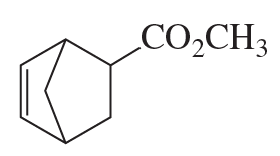
How could the following compounds be synthesized using a Diels–Alder reaction?
a.
문제 89b
How could the following compounds be synthesized using a Diels–Alder reaction?
b.
문제 89c
How could the following compounds be synthesized using a Diels–Alder reaction?
c.
문제 89d
How could the following compounds be synthesized using a Diels–Alder reaction?
d.