Ch. 16 - Aromatic Compounds
Wade - Organic Chemistry 9th Edition
Wade9th EditionOrganic ChemistryISBN: 9780135213728당신이 사용하는 게 아니라요?교과서 변경
16장, 문제 27a,b,c

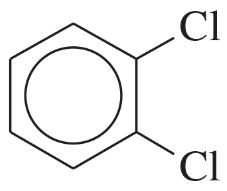
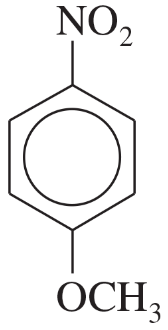
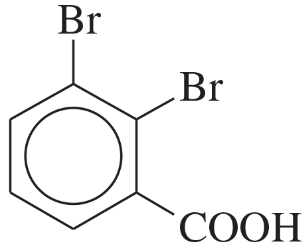
Name the following compounds:
(a)
(b)
(c)

검증된 단계별 안내
1
Step 1: Analyze the structure in (i). The compound is a benzene ring with two chlorine atoms attached. Determine the positions of the substituents and name the compound based on the IUPAC rules for disubstituted benzene derivatives. If the substituents are in the 1,2-positions, the prefix 'ortho-' is used; for 1,3-positions, 'meta-' is used; and for 1,4-positions, 'para-' is used.
Step 2: Analyze the structure in (ii). The compound is a benzene ring with a nitro group (-NO₂) and a methoxy group (-OCH₃) attached. Determine the relative positions of the substituents and name the compound using the IUPAC rules for naming benzene derivatives. The nitro group is typically given priority in naming.
Step 3: Analyze the structure in (iii). The compound is a benzene ring with two bromine atoms and a carboxylic acid group (-COOH) attached. The carboxylic acid group takes priority in naming, and the positions of the bromine atoms relative to the carboxylic acid group must be determined.
Step 4: For each compound, ensure that the substituents are numbered correctly to give the lowest possible numbers to the substituents, following IUPAC rules. Verify that the names reflect the correct positions and priorities of the substituents.
Step 5: Write the final names for each compound based on the analysis above, ensuring that the names are consistent with IUPAC nomenclature for aromatic compounds.

비슷한 문제에 대한 검증된 영상 답변:

이 영상 해법은 위 문제에 도움이 된다고 튜터들이 추천한 것입니다.
영상 길이:
10m
도움이 되었나요?

주요 개념

질문에 올바르게 답하기 위해 반드시 이해해야 하는 핵심 개념들은 다음과 같습니다.

Nomenclature of Aromatic Compounds

Aromatic compounds, such as benzene derivatives, follow specific naming conventions established by IUPAC. The base name is derived from the parent aromatic compound, with substituents indicated by prefixes. The position of substituents is denoted by numbers or letters (ortho, meta, para) based on their relative positions on the benzene ring.

Substituent Effects

Substituents on a benzene ring can influence the reactivity and orientation of further substitutions due to their electronic effects. Electron-donating groups (EDGs) such as -OCH3 activate the ring towards electrophilic substitution, while electron-withdrawing groups (EWGs) like -NO2 deactivate it and direct incoming substituents to specific positions on the ring.

Ortho, Meta, and Para Positions

The terms ortho, meta, and para describe the relative positions of substituents on a benzene ring. Ortho refers to substituents on adjacent carbons, meta to those separated by one carbon, and para to those opposite each other. Understanding these positions is crucial for correctly naming compounds and predicting their chemical behavior.