뒤로
뒤로
문제 2a
Using the information in Figure 16-2, calculate the values of ∆H° for the following reactions:
(a)
문제 2b
Using the information in Figure 16-2, calculate the values of ∆H° for the following reactions:
(b)
문제 2c
Using the information in Figure 16-2, calculate the values of ∆H° for the following reactions:
(c)
문제 3
a. Draw the resonance forms of benzene, cyclobutadiene, and cyclooctatetraene, showing all the carbon and hydrogen atoms.
b. Assuming that these molecules are all planar, show how the p orbitals on the sp2 hybrid carbon atoms form continuous rings of overlapping orbitals above and below the plane of the carbon atoms.
문제 4
Show the product of the Diels–Alder dimerization of cyclobutadiene. (This reaction is similar to the dimerization of cyclopentadiene, discussed in Section 15-11.)
문제 5
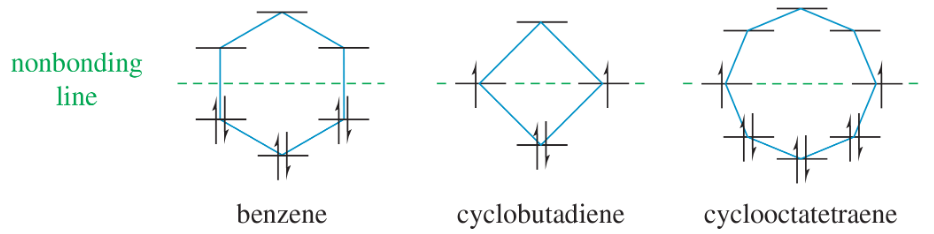
Does the MO energy diagram of cyclooctatetraene (Figure 16-8) appear to be a particularly stable or unstable configuration? Explain.
문제 6
Make a model of cyclooctatetraene in the tub conformation. Draw this conformation, and estimate the angle between the p orbitals of adjacent pi bonds.
문제 7a,b
Classify the following compounds as aromatic, antiaromatic, or nonaromatic.
(a)
(b)
문제 7c,d
Classify the following compounds as aromatic, antiaromatic, or nonaromatic.
(c)
(d)
문제 8
One of the following compounds is much more stable than the other two. Classify each as aromatic, antiaromatic, or nonaromatic.
문제 9a,b
a. Use the polygon rule to draw an energy diagram (as in Figures 16-5 and 16-7) for the MOs of a planar cyclooctatetraenyl system.
b. Fill in the eight pi electrons for cyclooctatetraene. Is this electronic configuration aromatic or antiaromatic? Could the cyclooctatetraene system be aromatic if it gained or lost electrons?
문제 9c
Drawpictorialrepresentations (as in Figures16-4 and 16-6) for the three bonding MOs and the two nonbonding MOs of cyclooctatetraene. The antibonding MOs are difficult to draw, except for the all-antibonding MO.
문제 10
(a) Draw the molecular orbitals for the cyclopropenyl case.
(Because there are three p orbitals, there must be three MOs: one all-bonding MO and one degenerate pair of MOs.)
(b) Draw an energy diagram for the cyclopropenyl MOs. (The polygon rule is helpful.) Label each MO as bonding, nonbonding, or antibonding, and add the nonbonding line. Notice that it goes through the approximate average of the MOs.
(c) Add electrons to your energy diagram to show the configuration of the cyclopropenyl cation and the cyclopropenyl anion. Which is aromatic and which is antiaromatic?
문제 11
Repeat Problem 16-10 for the cyclopentadienyl ions. Draw one all-bonding MO, then a pair of degenerate MOs, and then a final pair of degenerate MOs. Draw the energy diagram, fill in the electrons, and confirm the electronic configurations of the cyclopentadienyl cation and anion.
문제 12a,b,c
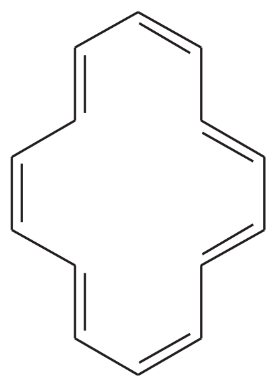
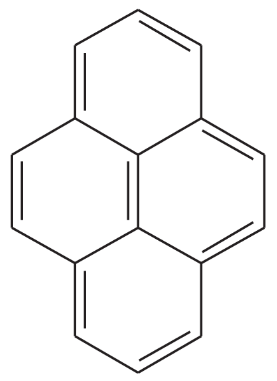
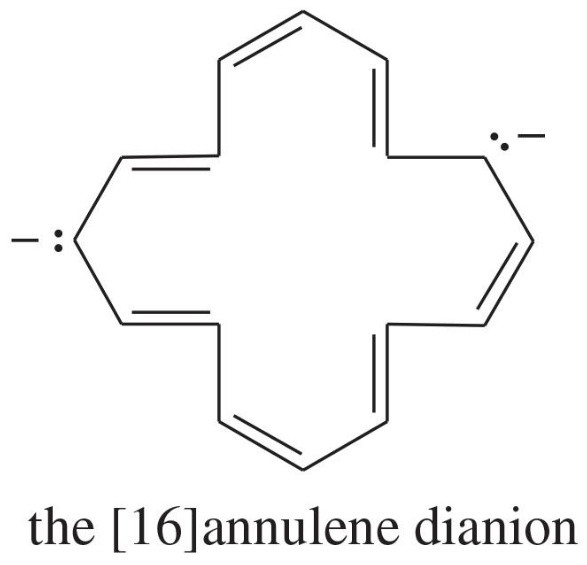
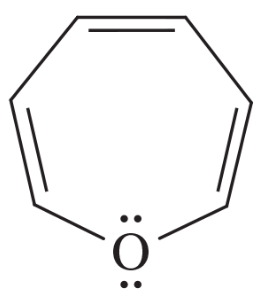
Explain why each compound or ion should be aromatic, antiaromatic, or nonaromatic.
(a)
(b)
(c)
문제 12d,e,f
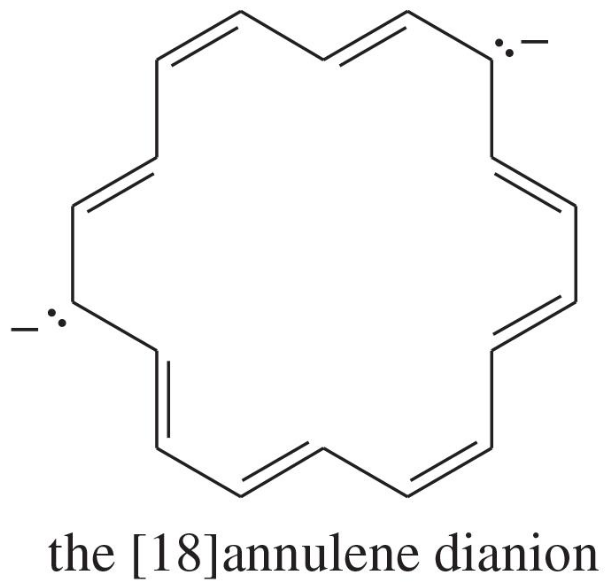
Explain why each compound or ion should be aromatic, antiaromatic, or nonaromatic.
(d)
(e)
(f) the [20]annulene dication
문제 13
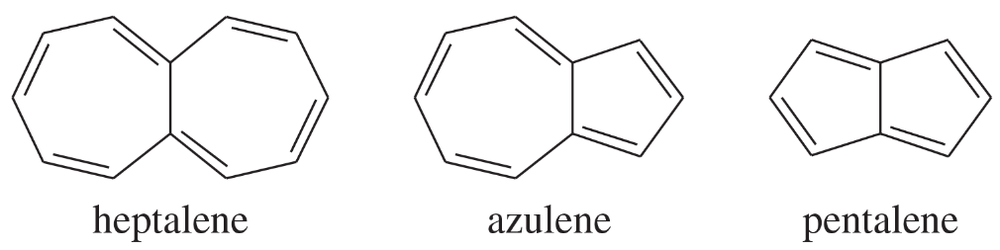
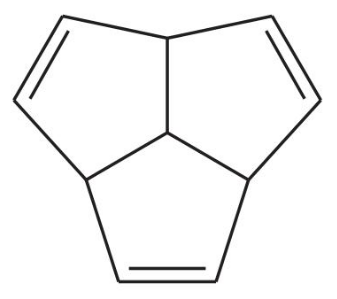
The following hydrocarbon has an unusually large dipole moment. Explain how a large dipole moment might arise.
문제 14
When 3-chlorocyclopropene is treated with AgBF4, AgCl precipitates. The organic product can be obtained as a crystalline material, soluble in polar solvents such as nitromethane but insoluble in hexane. When the crystalline material is dissolved in nitromethane containing KCl, the original 3-chlorocyclopropene is regenerated. Determine the structure of the crystalline material, and write equations for its formation and its reaction with chloride ion.
문제 15
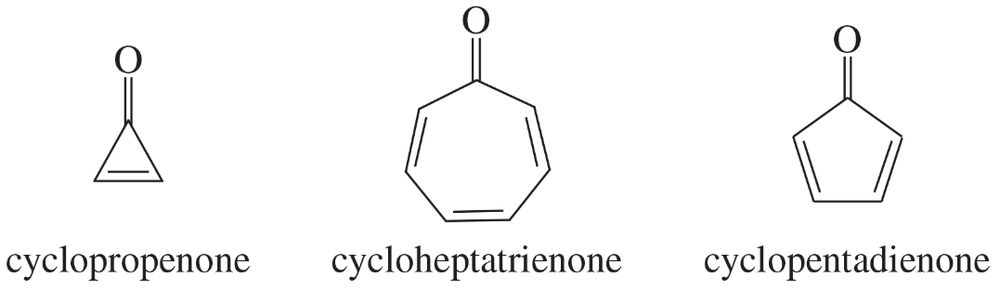
The polarization of a carbonyl group can be represented by a pair of resonance structures:
Cyclopropenone and cycloheptatrienone are more stable than anticipated. Cyclopentadienone, however, is relatively unstable and rapidly undergoes a Diels–Alder dimerization. Explain.
문제 16a,b
a. Explain how pyrrole is isoelectronic with the cyclopentadienyl anion.
b. Specifically, what is the difference between the cyclopentadienyl anion and pyrrole?
문제 16c
Draw resonance forms to show the charge distribution on the pyrrole structure.
문제 17
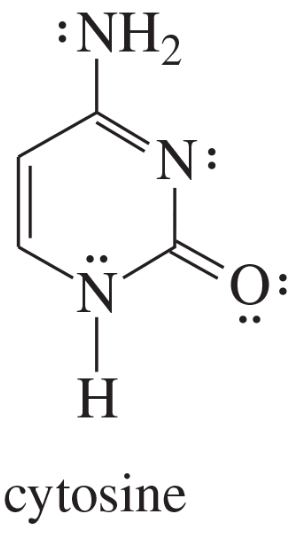
Show which of the nitrogen atoms in purine are basic, and which one is not basic. For the nonbasic nitrogen, explain why its nonbonding electrons are not easily available to become protonated.
문제 19a,b,c
Explain why each compound is aromatic, antiaromatic, or nonaromatic.
(a)
(b)
(c)
문제 19d,e,f
Explain why each compound is aromatic, antiaromatic, or nonaromatic.
(d)
(e)
(f)
문제 19g,h
Explain why each compound is aromatic, antiaromatic, or nonaromatic.
(g)
(h)
문제 22a
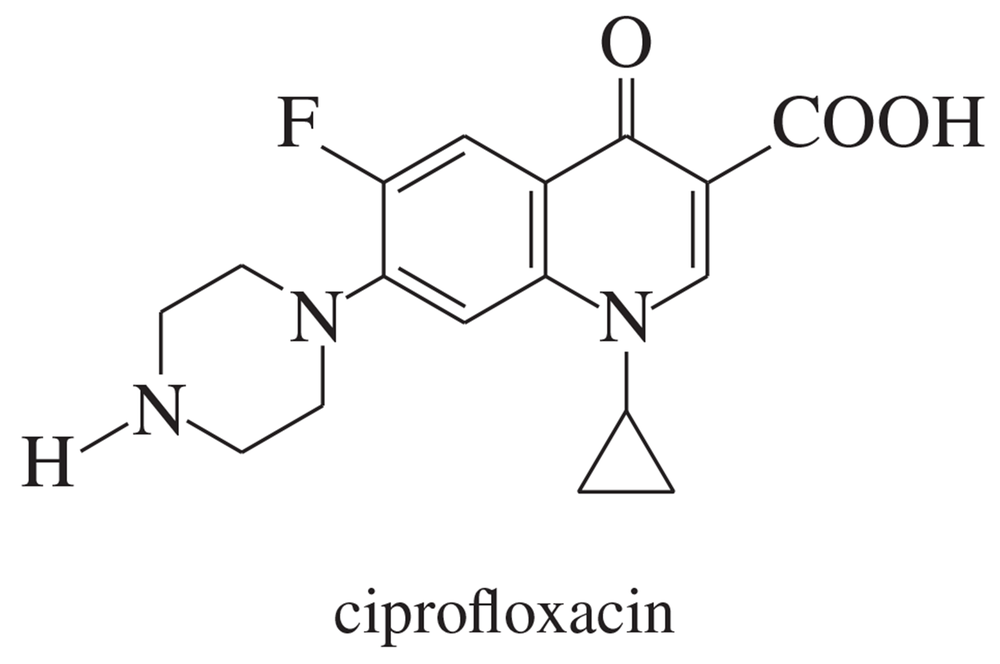
Ciprofloxacin is a member of the fluoroquinolone class of antibiotics.
a. Which of its rings are aromatic?
문제 22b
Ciprofloxacin is a member of the fluoroquinolone class of antibiotics.
(b) Which nitrogen atoms are basic?
문제 23
Draw and name all the chlorinated benzenes having from one to six chlorine atoms.
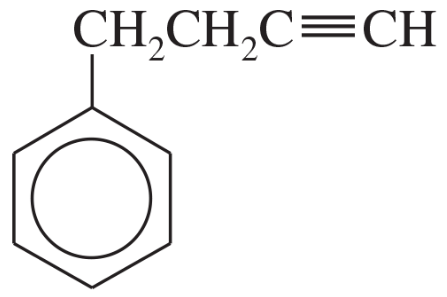
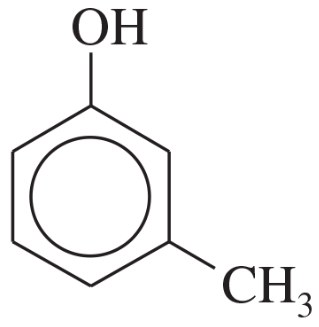
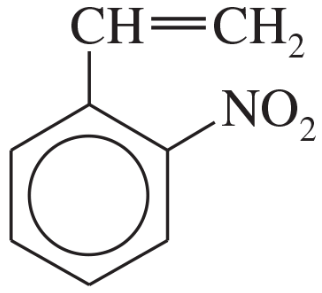
문제 24a,b,c
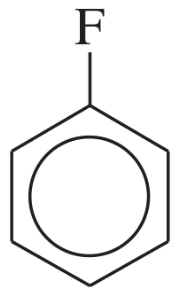
Name the following compounds:
(a)
(b)
(c)
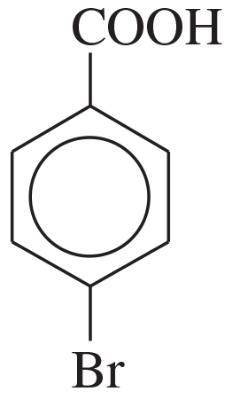
문제 24d,e,f
Name the following compounds:
(d)
(e)
(f)