Ch.4 - The Study of Chemical Reactions
Wade - Organic Chemistry 9th Edition
Wade9th EditionOrganic ChemistryISBN: 9780135213728당신이 사용하는 게 아니라요?교과서 변경
4장, 문제 40e,f

Label each hydrogen atom in the following compounds as primary (1°), secondary (2°), or tertiary (3°).
(e)
(f)

검증된 단계별 안내
1
Step 1: Understand the definitions of primary, secondary, and tertiary hydrogen atoms. A primary hydrogen is attached to a primary carbon (a carbon bonded to only one other carbon). A secondary hydrogen is attached to a secondary carbon (a carbon bonded to two other carbons). A tertiary hydrogen is attached to a tertiary carbon (a carbon bonded to three other carbons).
Step 2: Examine the structure of compound e. Identify all the carbon atoms and determine how many other carbon atoms each is bonded to. This will help you classify the hydrogen atoms attached to these carbons.
Step 3: For each carbon atom in compound e, count the number of hydrogen atoms attached to it. Use the definitions from Step 1 to label each hydrogen as primary, secondary, or tertiary based on the type of carbon it is attached to.
Step 4: Repeat the process for compound f. Identify the carbon atoms, determine their connectivity with other carbons, and classify the hydrogen atoms accordingly.
Step 5: Review your labels for both compounds e and f to ensure accuracy. Double-check the connectivity of each carbon atom to confirm the classification of the hydrogen atoms.

비슷한 문제에 대한 검증된 영상 답변:

이 영상 해법은 위 문제에 도움이 된다고 튜터들이 추천한 것입니다.
영상 길이:
5m

주요 개념

질문에 올바르게 답하기 위해 반드시 이해해야 하는 핵심 개념들은 다음과 같습니다.

Hydrogen Atom Classification

In organic chemistry, hydrogen atoms are classified based on the type of carbon atom they are attached to. A primary hydrogen is attached to a primary carbon, which is bonded to only one other carbon. A secondary hydrogen is attached to a secondary carbon, bonded to two other carbons, and a tertiary hydrogen is attached to a tertiary carbon, bonded to three other carbons.
추천 영상:
03:06
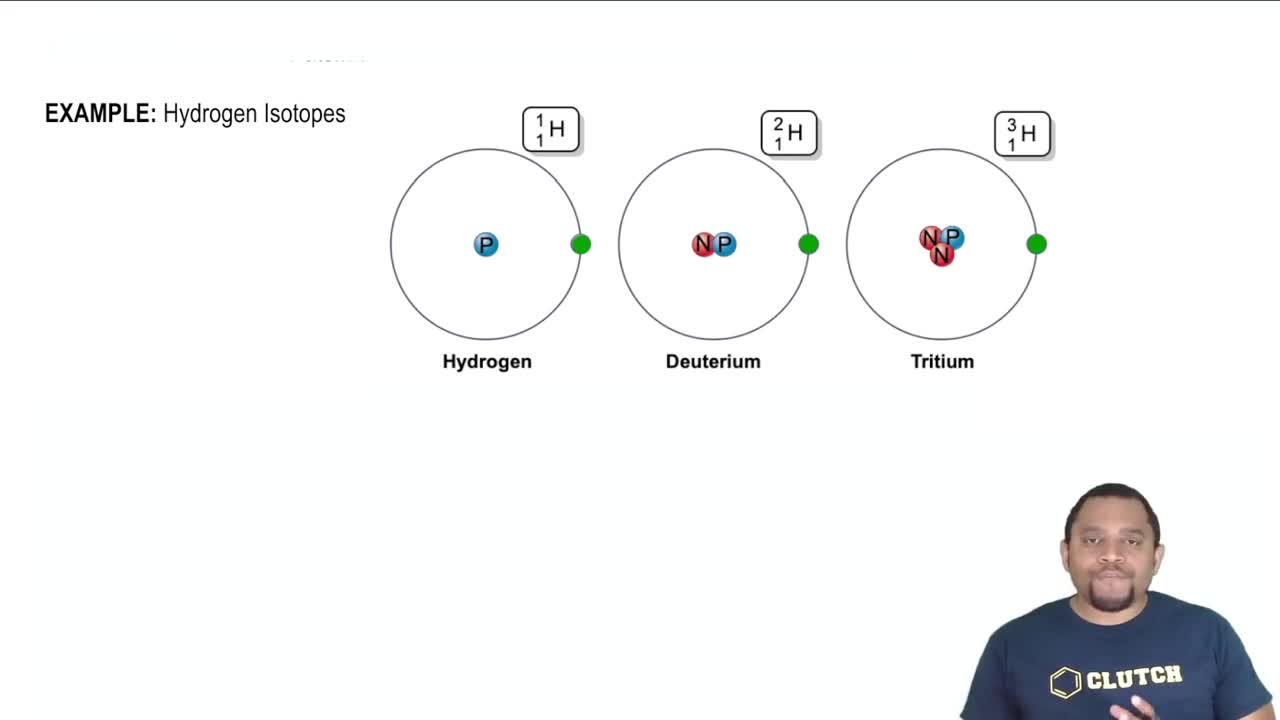
Understanding the hydrogen isotopes.

Carbon Atom Classification

Carbon atoms are classified as primary, secondary, or tertiary based on the number of other carbon atoms they are directly bonded to. A primary carbon is bonded to one other carbon, a secondary carbon to two, and a tertiary carbon to three. This classification helps in understanding the structure and reactivity of organic molecules.
추천 영상:
01:44
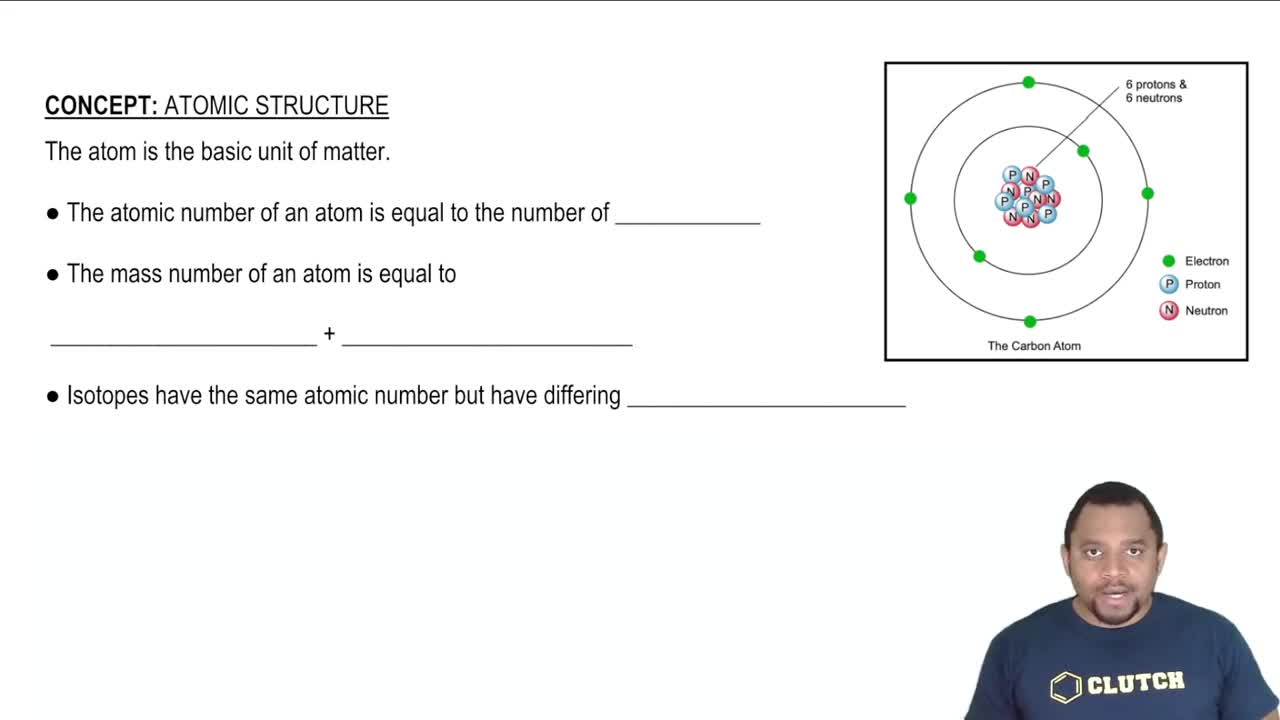
The difference between atomic numbers and atomic mass.

Structural Representation of Organic Molecules

Organic molecules are often represented using structural formulas that show the arrangement of atoms and bonds. Understanding these representations is crucial for identifying the types of carbon and hydrogen atoms present. Structural formulas can be depicted as line structures, where vertices represent carbon atoms, and hydrogen atoms are implied unless specified.
추천 영상:
02:17
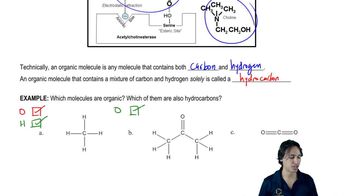
Identifying organic molecules