Back

Alcohols and Phenols: Structure, Nomenclature, Properties, and Synthesis

Study Guide - Learn with Videos

Curated lessons matched to your uploaded material – learn every topic step by step.

Naming Alcohols

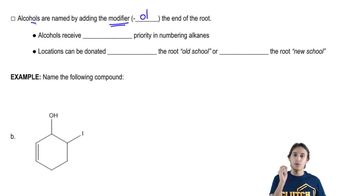
  • How to name alcohols
    01:01
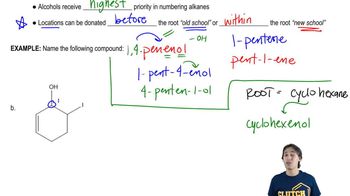
  • Name the following compound
    03:59
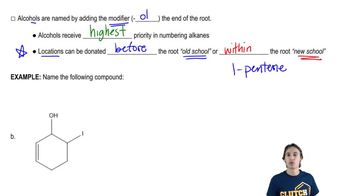
  • Old school vs. new school naming
    03:03

Functional Groups

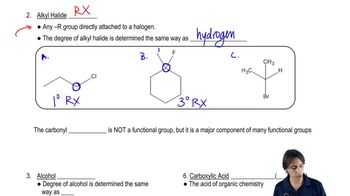
  • Assigning Degrees to Alkyl Halides
    01:30
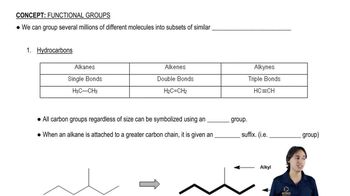
  • Why we need functional groups.
    01:49
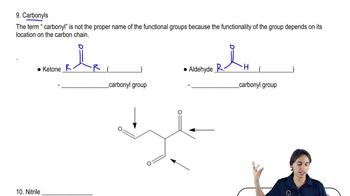
  • The difference between aldehydes and ketones.
    03:08

Intermolecular Forces

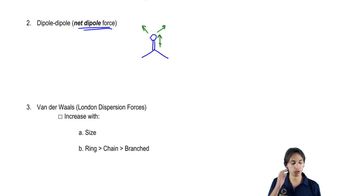
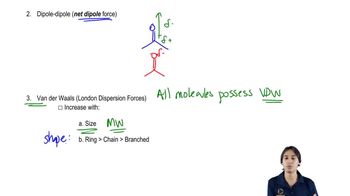
  • How dipole-dipole forces work.
    01:46
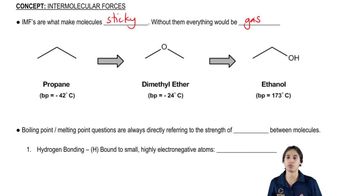
  • How IMFs are related to melting and boiling points.
    03:08
  • How Van der Waals forces work.
    03:01
Acid and Base Definitions

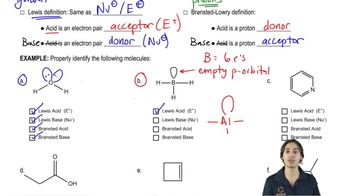
  • Lewis vs. Bronsted-Lowry Definition
    07:46
  • The Bronsted-Lowry definition of acids and bases.
    00:54
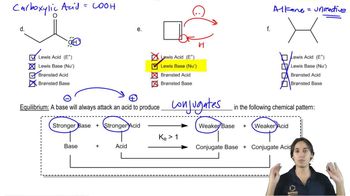
  • Equilibrium constant and conjugates.
    02:11

pKa Values

  • Identifying pKa values
    07:45
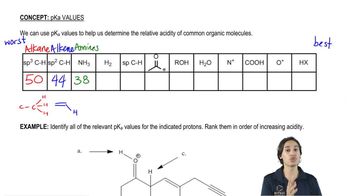
  • The 12 pKa values you want to memorize (because they are important!).
    09:36

Intermolecular Forces

  • How dipole-dipole forces work.
    01:46
  • How IMFs are related to melting and boiling points.
    03:08
  • How Van der Waals forces work.
    03:01
Synthesis of Alcohols Overview

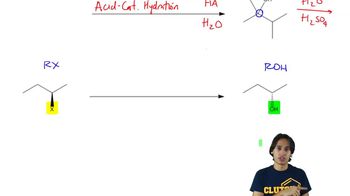
  • Forming alcohols through SN2 reactions.
    01:44
  • Forming alcohols through Acid-Catalyzed Hydration.
    02:02
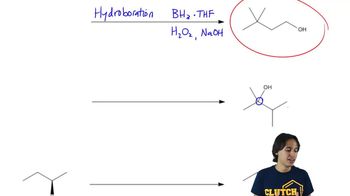
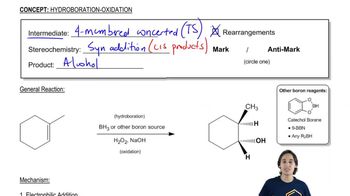
  • Forming alcohols through Hydroboration-Oxidation.
    01:37

Hydroboration-Oxidation

  • General properties of hydroboration-oxidation.
    06:38
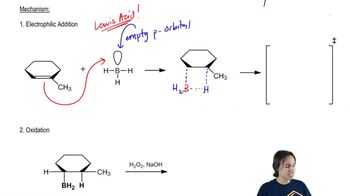
  • Acid-catalyzed hydroboration-oxidation mechanism
    06:14

Oxymercuration-Reduction

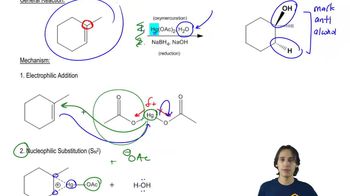
  • Acid-catalyzed oxymercuration-reduction mechanism
    09:01
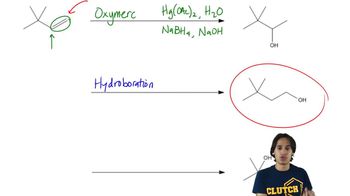
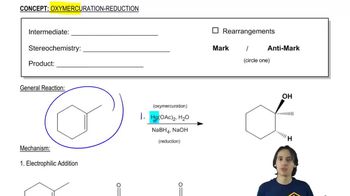
  • General properties of oxymercuration-reduction.
    05:

Epoxide Ring Opening

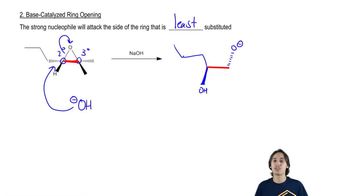
  • Base-Catalyzed Epoxide Ring-Opening
    04:44
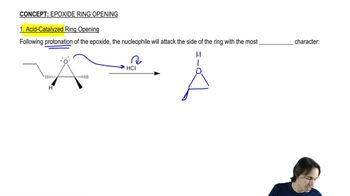
  • Acid-Catalyzed Epoxide Ring-Opening
    04:34

Reduction

  • Intro
    00:15
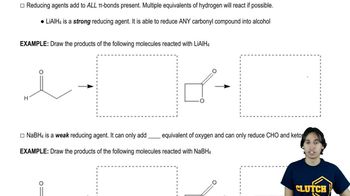
  • Reducing Agents
    09:28

Nucleophilic Addition

  • Nucleophilic Addition
    08:27

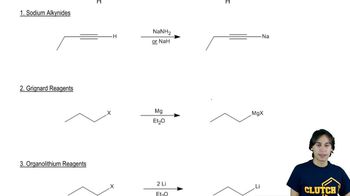
Preparation of Organometallics

  • Ruining Organometallics
    02:50
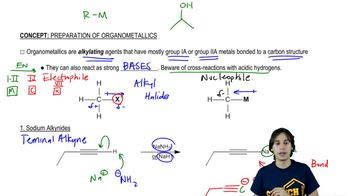
  • General Reaction
    12:21

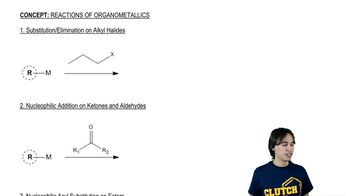
Reactions of Organometallics

  • Reactions of Organometallics
    13:40

Preparation of Organometallics

  • Ruining Organometallics
    02:50
  • General Reaction
    12:21

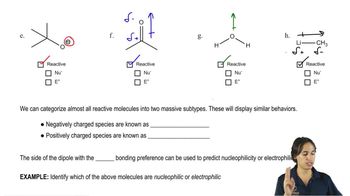
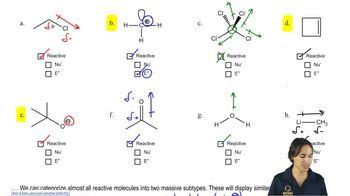
Reaction Mechanism

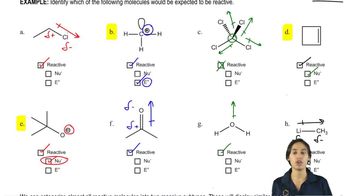
  • How to tell if charged molecules will react as nucleophiles or electrophiles.
    02:39
  • Nucleophile or Electrophile
    01:49
  • How to tell if uncharged molecules will react as nucleophiles or electrophiles.
    02:48

Functional Groups

  • Assigning Degrees to Alkyl Halides
    01:30
  • Why we need functional groups.
    01:49
  • The difference between aldehydes and ketones.
    03:08

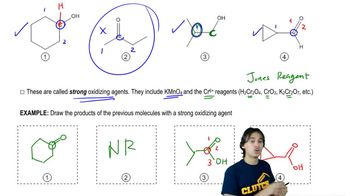
Oxidization

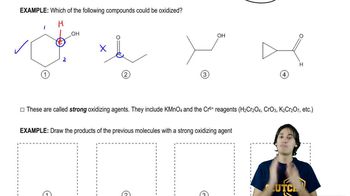
  • Reagents
    01:52
  • Strong oxidizing agents
    05:53
  • Strong oxidizing agents
    03:40

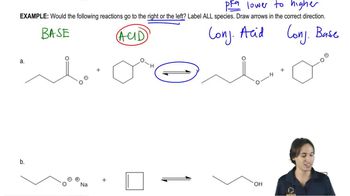
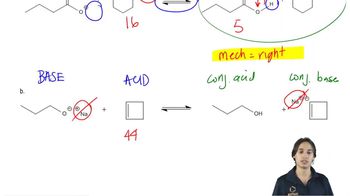
Acid Base Equilibrium

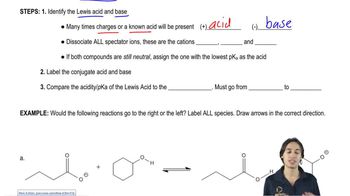
  • The 3 steps for determining the direction of acid and base equilibrium.
    05:11
  • Determining Acid/Base Equilibrium
    04:00
  • Determining Acid/Base Equilibrium
    02:34

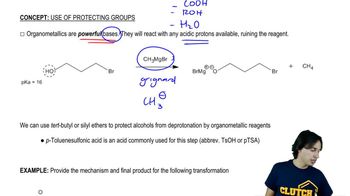
Use of Protecting Groups

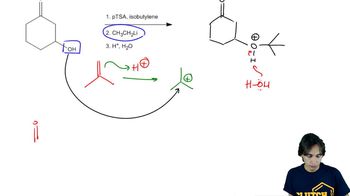
  • Use of Protecting Groups
    04:34
  • Provide mechanism and final product of transformation.
    04:45

Functional Groups

  • Assigning Degrees to Alkyl Halides
    01:30
  • Why we need functional groups.
    01:49
  • The difference between aldehydes and ketones.
    03:08

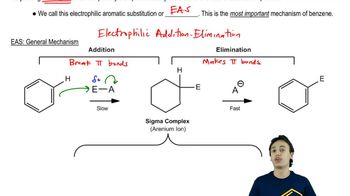
Electrophilic Aromatic Substitution – General Mechanism

  • EAS General Mechanism
    06:52
  • EAS Review
    03:07

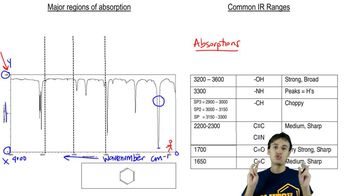
Infrared Spectroscopy

  • General Features of IR Spect
    16:04

Infrared Spectroscopy

  • General Features of IR Spect
    16:04

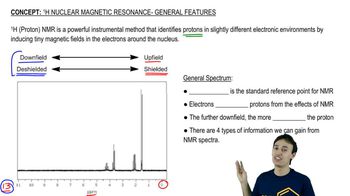
1H Nuclear Magnetic Resonance - General Features

  • General NMR Features
    10:06

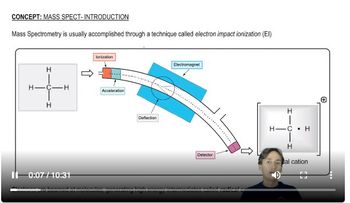
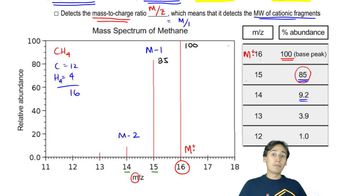
Mass Spect - Introduction

  • Equipment and Theory
    10:48
  • How to Read a Mass Spectrum
    01:25