Back

Organic Chemistry Multiple Choice and Conceptual Guidance

Study Guide - Learn with Videos

Curated lessons matched to your uploaded material – learn every topic step by step.

Sigma and Pi Bonds

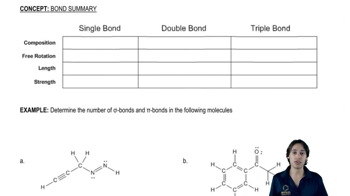
  • Single bonds, double bonds, and triple bonds.
    06:00
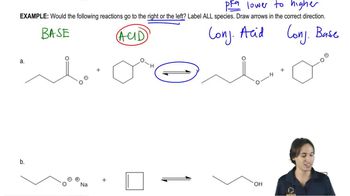
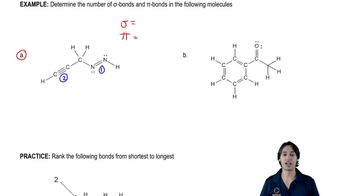
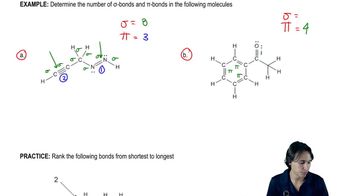
  • Sigma bonds and pi bonds
    01:05
  • Sigma bonds and pi bonds
    00:59

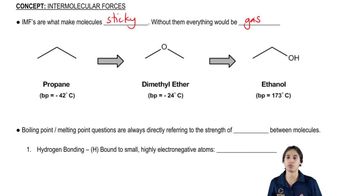
Intermolecular Forces

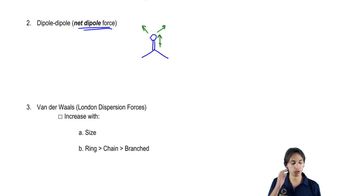
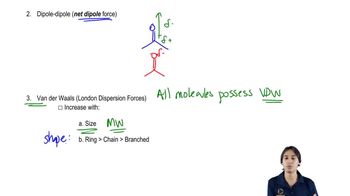
  • How dipole-dipole forces work.
    01:46
  • How IMFs are related to melting and boiling points.
    03:08
  • How Van der Waals forces work.
    03:01

Ring Strain

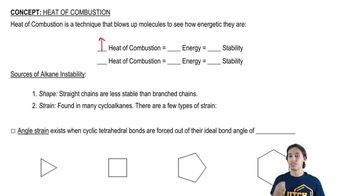
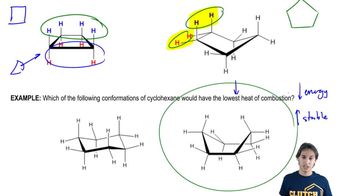
  • Understanding Heat of Combustion
    01:11
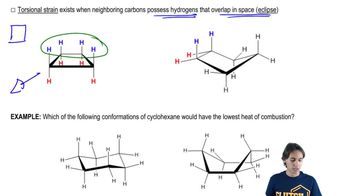
  • What is torsional strain?
    02:00
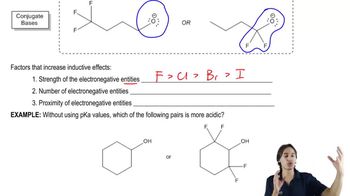
  • Lowest Heat of Combustion
    02:34

Hybridization

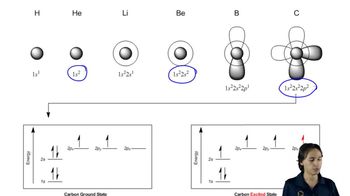
  • How carbon creates 4 partially-filled orbitals.
    02:53
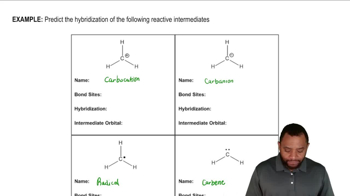
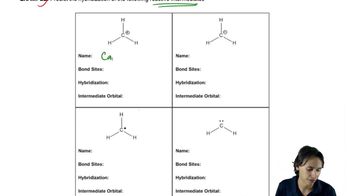
  • Bond sites, hybridization, and intermediate orbitals
    04:58
  • Introduction to the reactive intermediates.
    02:47

Formal Charges

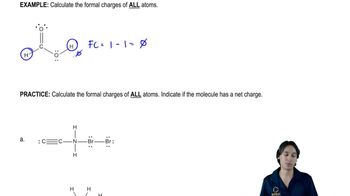
  • Calculate the formal charges of ALL atoms.
    02:21
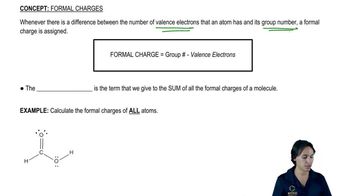
  • Calculating formal and net charge.
    01:34

Alkane Nomenclature

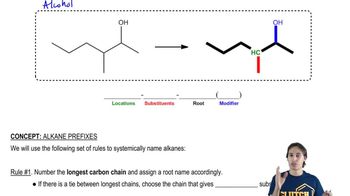
  • Naming the root chain
    01:02
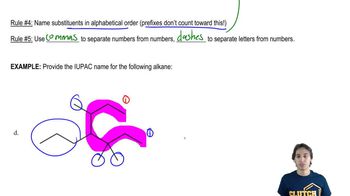
  • Provide the IUPAC name for the following alkane
    07:08
  • The different parts of an IUPAC name
    03:43

Naming Cycloalkanes

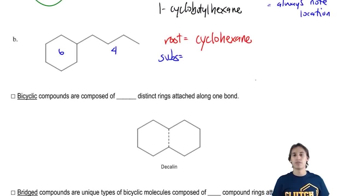
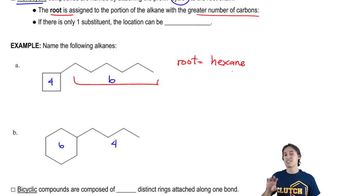
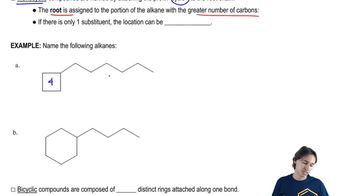
  • Name the following alkane
    00:53
  • Determining Root Name
    00:18
  • Determining Root Name
    00:34

Naming Alkyl Halides

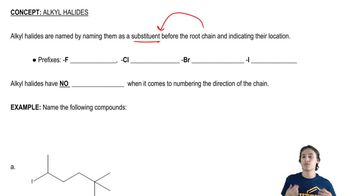
  • How to name alkyl halides
    01:52
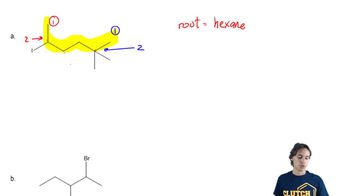
  • Name the following alkyl halide
    01:58
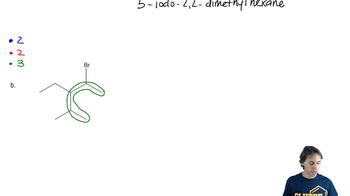
  • Name the following alkyl halide
    03:53

Naming Alkenes

  • Name the following alkene
    02:04
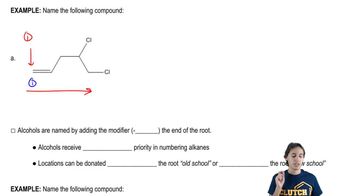
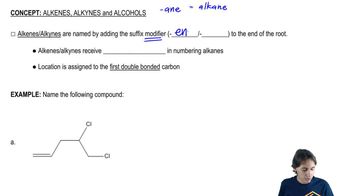
  • How to name alkenes and alkynes
    01:55

Resonance Structures

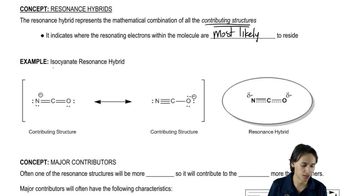
  • How to draw a resonance hybrid.
    03:24
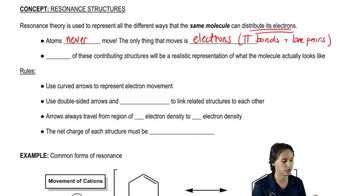
  • The rules you need for resonance:
    03:34
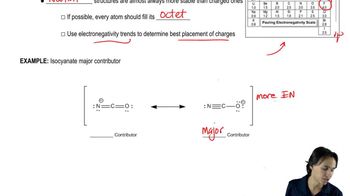
  • How to determine which structure is most stable.
    01:32

Electronegativity

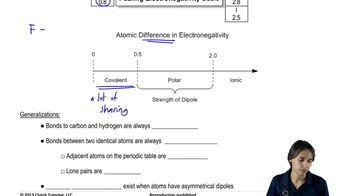
  • Differences between ionic, polar and covalent bonds
    11:33

Acid and Base Definitions

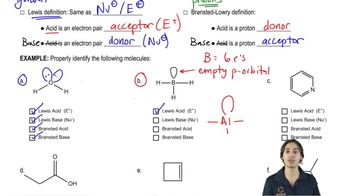
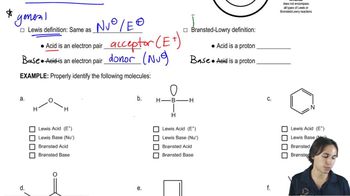
  • Lewis vs. Bronsted-Lowry Definition
    07:46
  • The Bronsted-Lowry definition of acids and bases.
    00:54
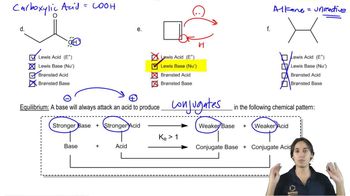
  • Equilibrium constant and conjugates.
    02:11

Acid Base Equilibrium

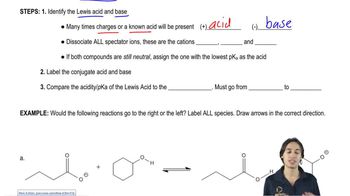
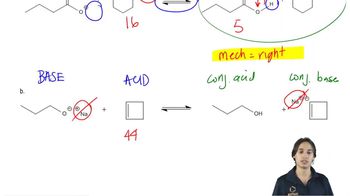
  • The 3 steps for determining the direction of acid and base equilibrium.
    05:11
  • Determining Acid/Base Equilibrium
    04:00
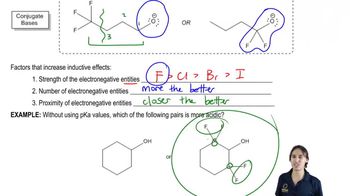
  • Determining Acid/Base Equilibrium
    02:34

Factors Affecting Acidity

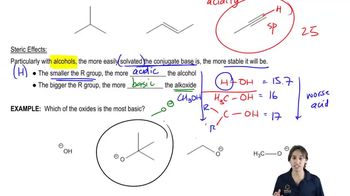
  • Which of the oxides is the most basic?
    00:30
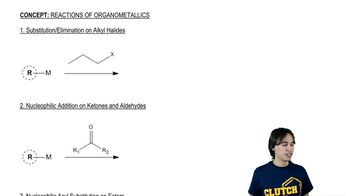
  • The 3 factors that determine the strength of inductive effects.
    03:09
  • Using Inductive Effect to determine acidity
    01:54

Grignard Reaction

  • Reactions of Organometallics
    13:40

Lewis Structure

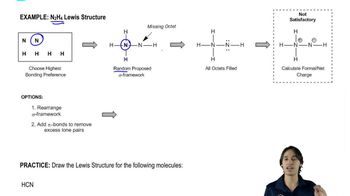
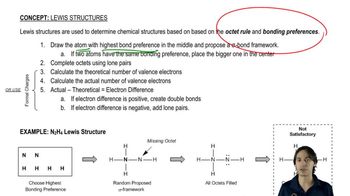
  • Drawing the Lewis Structure for N2H4.
    04:12
  • How to use Organic Chemistry to make Lewis Structures easier.
    03:49

Introduction to Substitution

  • Predict the product
    05:55
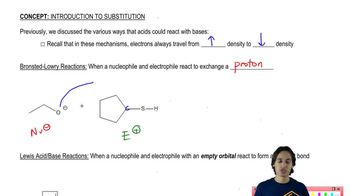
  • Nucleophiles and Electrophiles can react in Bronsted-Lowry Reactions.
    05:01
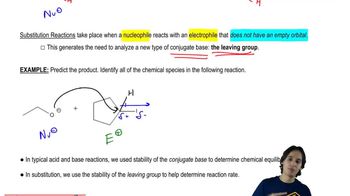
  • Nucleophiles and Electrophiles can react in Substitution Reactions.
    01:47

Leaving Groups

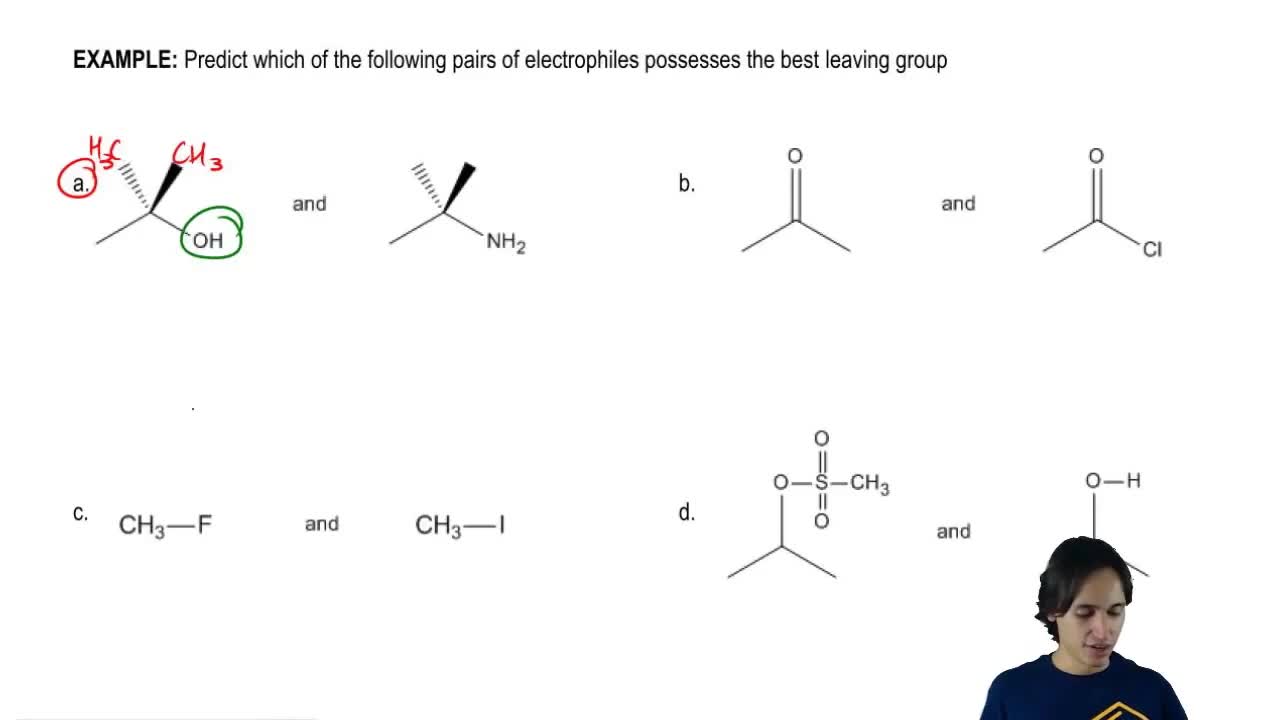
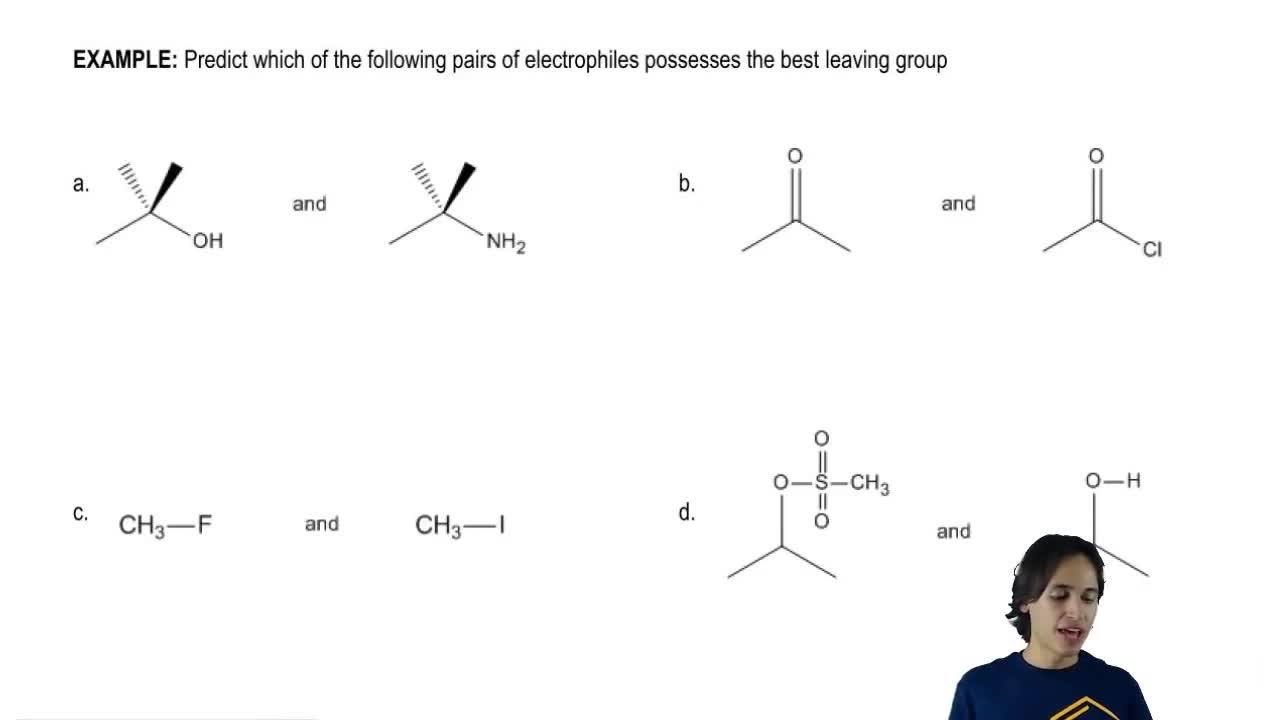
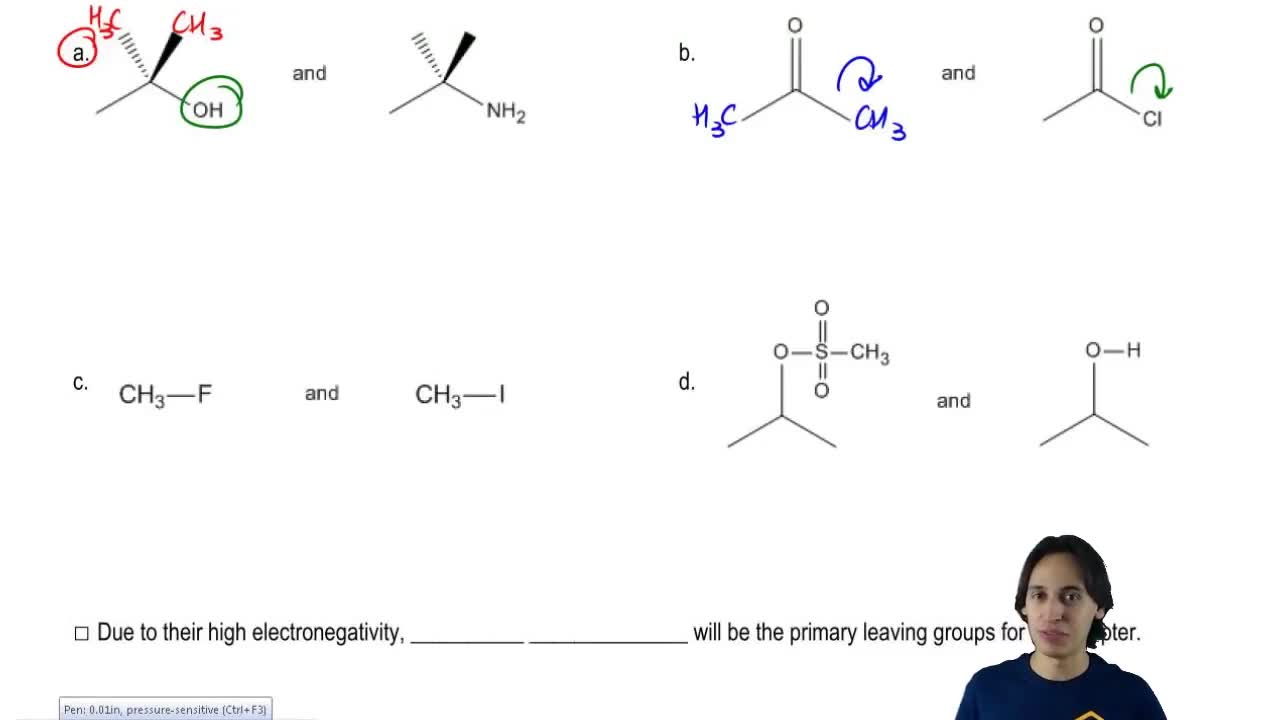
  • Predict the best leaving group
    00:50
  • Predict the best leaving group
    01:12
  • Predict the best leaving group
    00:36

The SN2 Mechanism

  • Ranking reactivity toward SN2
    04:03
  • Drawing the SN2 Mechanism
    08:33
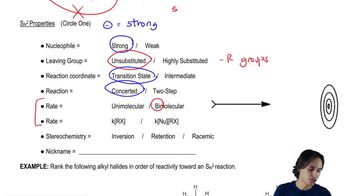
  • Understanding the properties of SN2.
    11:57

SN1 Reaction

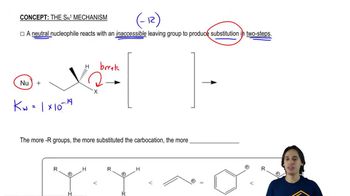
  • Drawing the SN1 Mechanism
    10:49
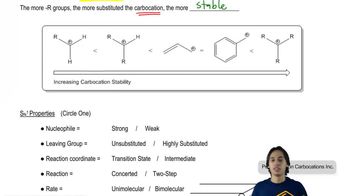
  • Why highly substituted leaving groups favor SN1.
    01:13
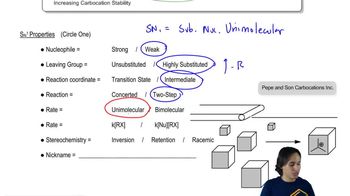
  • Understanding the properties of SN1.
    08:16

Substitution Comparison

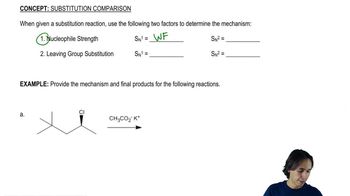
  • How do we predict if the mechanism is SN1 or SN2?
    03:32

Equilibrium Constant and pKa

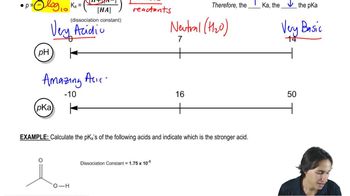
  • The pH scale vs. the pKa scale.
    02:15
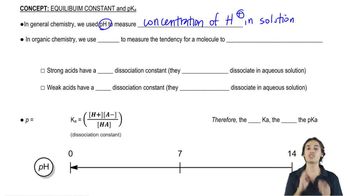
  • The relationship between equilibrium constant and pKa.
    02:19
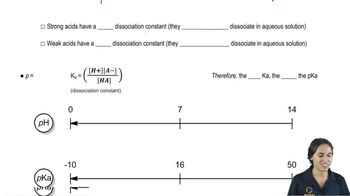
  • Why we use pKa instead of pH.
    01:46