
Ch. 16 The Endocrine System
Chapter 16, Problem 20

Match the following hormones with their correct descriptions. 
Leptin      
Atrial natriuretic peptide      
Melatonin      
Estrogens      
Erythropoietin      
Testosterone
a. Produced by the pineal gland; regulates the sleep/wake cycle
b. Produced by the kidneys; regulates red blood cell production
c. Produced by the heart; promotes sodium ion loss in the kidneys and vasodilation
d. Produced by the testes; promotes androgenic and anabolic actions
e. Produced by adipose tissue; promotes satiety
f. Produced by the ovaries; regulate the menstrual cycle and the development of secondary sex characteristics

Verified step by step guidance
1
Step 1: Identify the hormone 'Leptin' and match it with its description. Leptin is produced by adipose tissue and is responsible for promoting satiety. Match it with description (e).
Step 2: Identify the hormone 'Atrial natriuretic peptide' and match it with its description. This hormone is produced by the heart and promotes sodium ion loss in the kidneys and vasodilation. Match it with description (c).
Step 3: Identify the hormone 'Melatonin' and match it with its description. Melatonin is produced by the pineal gland and regulates the sleep/wake cycle. Match it with description (a).
Step 4: Identify the hormone 'Estrogens' and match it with its description. Estrogens are produced by the ovaries and regulate the menstrual cycle and the development of secondary sex characteristics. Match it with description (f).
Step 5: Identify the hormone 'Erythropoietin' and 'Testosterone' and match them with their descriptions. Erythropoietin is produced by the kidneys and regulates red blood cell production (b), while Testosterone is produced by the testes and promotes androgenic and anabolic actions (d).

Verified video answer for a similar problem:

This video solution was recommended by our tutors as helpful for the problem above.
Was this helpful?

Key Concepts

Here are the essential concepts you must grasp in order to answer the question correctly.

Hormonal Functions

Hormones are chemical messengers produced by glands in the endocrine system that regulate various physiological processes in the body. Each hormone has specific functions, such as regulating metabolism, growth, reproduction, and mood. Understanding the role of each hormone is crucial for matching them with their descriptions.
Recommended video:
Guided course
13:06
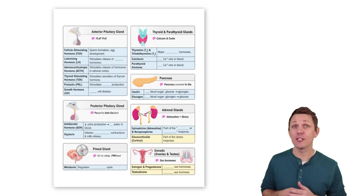
Review of Major Hormones

Endocrine Glands

Endocrine glands are specialized organs that secrete hormones directly into the bloodstream. Key glands include the pineal gland, kidneys, heart, testes, and ovaries, each producing hormones that influence different bodily functions. Recognizing which gland produces which hormone is essential for accurately identifying their descriptions.
Recommended video:
Guided course
06:14
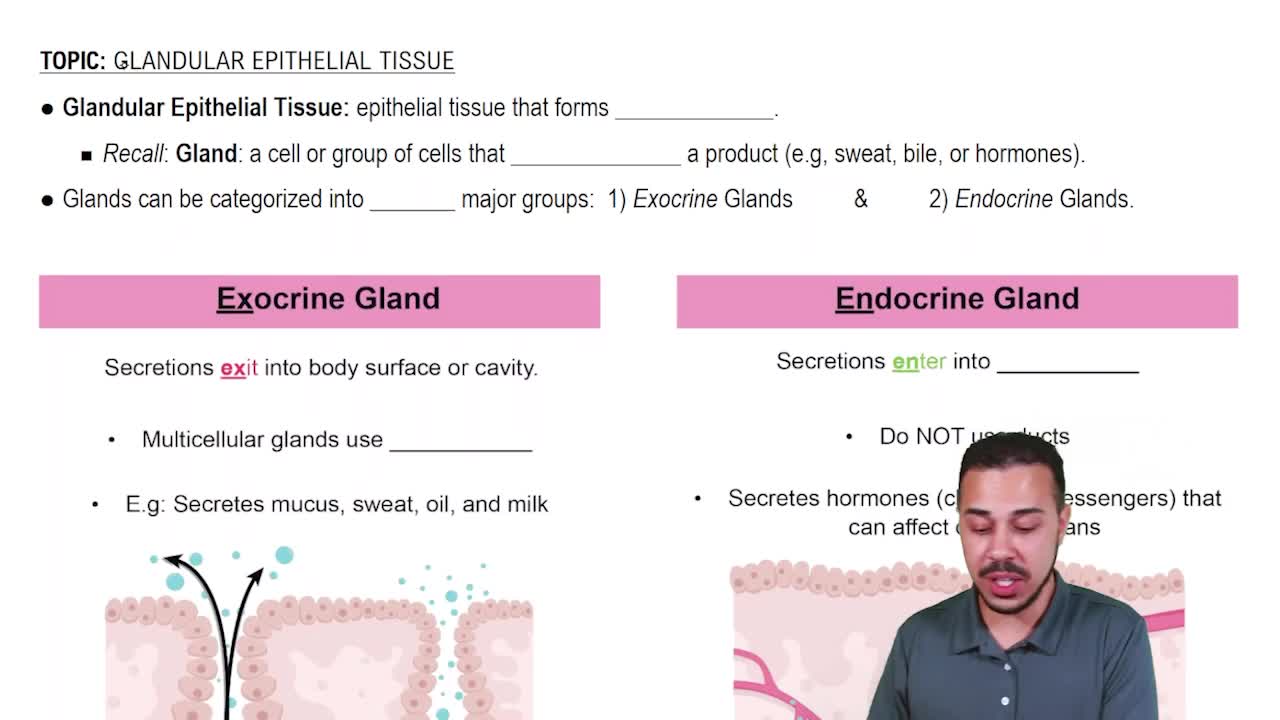
Exocrine vs. Endocrine Glands

Hormonal Interactions

Hormones often interact with each other and can have synergistic or antagonistic effects on bodily functions. For example, estrogens and testosterone play roles in sexual development and reproductive health, while leptin influences appetite and energy balance. Understanding these interactions helps in comprehending the broader implications of each hormone's function.
Recommended video:
Guided course
13:06
Review of Major Hormones
Related Practice
Textbook Question

Which of the following statements about the adrenal medulla is false?

a. Secretion from the adrenal medulla is triggered by ACTH and the sympathetic nervous system.

b. The adrenal medulla consists of glandular epithelial cells.

c. The adrenal medulla is a modified postsynaptic sympathetic ganglion.

d. The products of the adrenal medulla prolong the effects of the sympathetic response.

422
views
Textbook Question

Explain how insulin and glucagon are antagonists.

775
views
Textbook Question

Type 1 diabetes mellitus is characterized by______, and type 2 diabetes mellitus is characterized by_____.

a. hypoglycemia; destruction of the pancreatic β cells

b. destruction of the pancreatic β cells; destruction of the pancreatic α cells

c. insulin resistance; destruction of the pancreatic β cells

d. destruction of the pancreatic β cells; insulin resistance

766
views
Textbook Question

Mark the following statements as true or false. If a statement is false, correct it to make a true statement.

Both ADH and aldosterone increase the amount of water in the body and decrease the solute concentration of the blood.

750
views
Textbook Question

Mark the following statements as true or false. If a statement is false, correct it to make a true statement.

Thyroid hormones and insulin maintain blood glucose concentration during fasting.

660
views
Textbook Question

Mark the following statements as true or false. If a statement is false, correct it to make a true statement.

Insulin secretion rises during feeding; growth hormone and glucagon are secreted during feeding if protein is present in the meal.

718
views