
Pearson+ LogoPearson+ Logo
Ch. 27 Reproduction and Embryonic Development
Taylor - Campbell Biology: Concepts & Connections 10th Edition
Taylor, Simon, Dickey, Hogan10th EditionCampbell Biology: Concepts & ConnectionsISBN: 9780136538783Not the one you use?Change textbook
Chapter 27, Problem 19

There are difficulties inherent in testing hypotheses involving human health. Imagine that you have ­developed a potential vaccine against AIDS. Given the nature of the disease, all testing must be conducted in humans. Can you ­design an ethical but effective experiment?

Verified step by step guidance
1
Define the hypothesis clearly: The hypothesis should state that the vaccine is effective in preventing HIV infection or reducing its progression to AIDS in humans. This will guide the design of the experiment.
Recruit a diverse and representative sample of participants: Select a group of volunteers who are at risk of HIV infection but are currently uninfected. Ensure the sample is large enough to provide statistically significant results and includes individuals from various demographics to account for variability in response.
Randomly assign participants to two groups: Use randomization to create a control group (receiving a placebo) and an experimental group (receiving the vaccine). This helps eliminate bias and ensures that differences in outcomes can be attributed to the vaccine.
Monitor participants over time: Track both groups for a predetermined period, collecting data on HIV infection rates, immune responses, and any adverse effects. Ensure that participants receive regular health check-ups and counseling to minimize risks.
Ensure ethical considerations: Obtain informed consent from all participants, explaining the potential risks and benefits. Provide access to existing preventive measures (e.g., condoms, PrEP) and ensure that participants can withdraw from the study at any time without penalty. An independent ethics review board should oversee the study to ensure compliance with ethical standards.

Verified video answer for a similar problem:

This video solution was recommended by our tutors as helpful for the problem above.
Video duration:
2m
Was this helpful?

Key Concepts

Here are the essential concepts you must grasp in order to answer the question correctly.

Ethical Considerations in Human Research

Ethical considerations in human research involve ensuring the safety, rights, and well-being of participants. This includes obtaining informed consent, minimizing risks, and ensuring that the potential benefits outweigh any harm. Researchers must adhere to ethical guidelines and institutional review board (IRB) approvals to protect participants, especially in sensitive areas like vaccine testing.
Recommended video:
Guided course
02:58
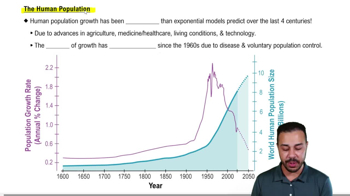
The Human Population

Clinical Trial Phases

Clinical trials are conducted in phases to systematically evaluate the safety and efficacy of a new vaccine. Phase I focuses on safety and dosage in a small group, Phase II assesses efficacy and side effects in a larger group, and Phase III involves large-scale testing to confirm effectiveness and monitor adverse reactions. Understanding these phases is crucial for designing a comprehensive and ethical testing strategy.
Recommended video:
Guided course
03:21
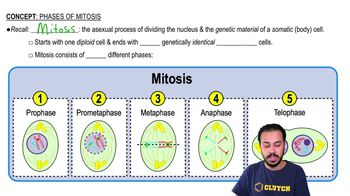
Phases of Mitosis

Informed Consent

Informed consent is a fundamental principle in research ethics, requiring that participants are fully aware of the study's purpose, procedures, risks, and benefits before agreeing to participate. This process ensures that individuals can make educated decisions about their involvement, particularly in studies involving vulnerable populations, such as those affected by AIDS. Clear communication and transparency are essential for ethical research practices.
Recommended video:
Guided course
05:45
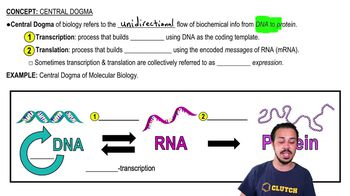
Central Dogma