 Back
BackGenetics: Foundations, Techniques, and Mendelian Inheritance
Study Guide - Smart Notes
 Tailored notes based on your materials, expanded with key definitions, examples, and context.
Introduction to Genetics
Definition and Scope
Genetics is a branch of biology concerned with the study of heredity and variation in organisms. It explores how traits are passed from parents to offspring, the molecular basis of inheritance, and the application of genetic principles in fields such as medicine, agriculture, and industry.
Heredity: The process by which traits are transmitted from parents to their offspring.
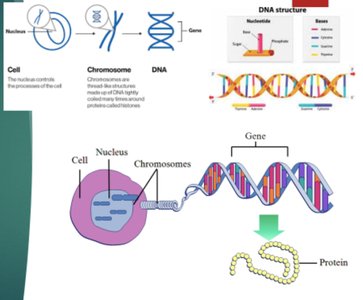
DNA: The molecule that carries genetic information, organized into chromosomes within the cell nucleus.
Genome: The complete set of genes or genetic material present in a cell or organism.
Historical context: Early applications include domestication and selective breeding of plants and animals.
Modern genetics: Includes gene analysis, genetic testing, and manipulation of genes for research and therapeutic purposes.
Example: The Human Genome Project decoded 99% of the human genetic sequence, opening new avenues for genetic research and medicine.
Genetics and Dental Health
Genetic Influence on Oral Health
Genetic factors play a significant role in determining oral health, influencing traits such as tooth alignment, susceptibility to cavities, and gum disease.
Saliva composition: Genetically determined, affects acid neutralization and plaque formation.
Tooth morphology: Grooves and crevices in teeth can increase risk for decay.
Periodontitis: Linked to family history and inherited immune system weaknesses.
Example: Individuals with a family history of gum disease are predisposed to periodontitis.
Genetics, Behavior, and Dental Health
Behavioral Genetics
Genes influence not only physical traits but also behaviors, including dietary choices and metabolic processing, which can impact dental health.
Inherited tendencies: Awareness of family history helps in preventive dental care.
Behavioral influence: Genetic predisposition may affect food preferences and risk for dental problems.
Experimental Breeding and Genetic Diversity
Crossbreeding and GMOs
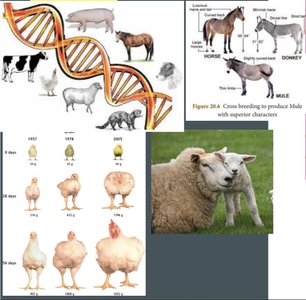
Experimental breeding involves crossing genetically diverse lines to produce new combinations of alleles, leading to pure breeding genotypes and the development of genetically modified organisms (GMOs).
F1 generation: Offspring from parental crosses, used for further breeding.
Transgenic organisms: Possess DNA from other species, enhancing desirable traits.
Applications: Used in agriculture and animal husbandry to improve quality and yield.
Example: Crossbreeding in livestock and crops produces new lines with superior characteristics.
Techniques Used to Study Genetics
Cytogenetic Techniques
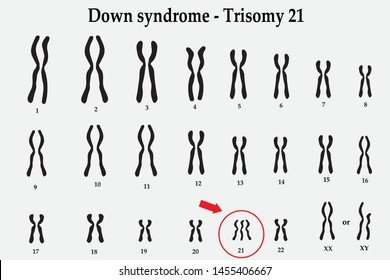
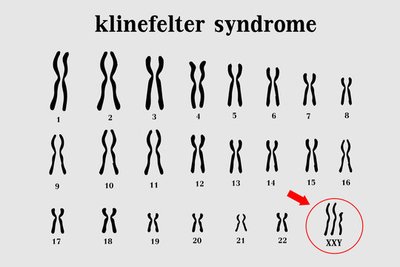
Cytogenetics examines chromosomes, genes, and gene products microscopically. Techniques include staining, squash methods, and use of radioactive or fluorescent tags.
Diagnosis: Used to detect chromosomal abnormalities such as Down syndrome (trisomy 21) and Klinefelter syndrome (XXY).
Modern methods: Chromosome banding reveals gene locations.
Biochemical Techniques
Biochemical methods analyze DNA, RNA, and proteins to determine gene activity and inherited differences. Techniques include chromatography, electrophoresis, and use of radioactive tags.
Applications: Diagnosis of inherited metabolic disorders (e.g., PKU, cystinuria).
Genomics: Enables diagnostic tests on individual DNA, including prenatal testing.
Physiological Techniques
These techniques explore functional properties of organisms, such as enzyme deficiencies and metabolic capabilities.
Example: E. coli strains distinguished by ability to synthesize thiamin.
Human application: Enzyme deficiencies (e.g., albinism) diagnosed by physiological tests.
Molecular Techniques
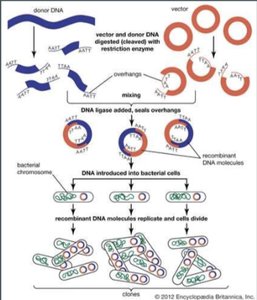
Molecular genetics focuses on direct study of DNA, including recombinant DNA technology, gene cloning, and genomic libraries.
Recombinant DNA: DNA from a donor is inserted into a vector, amplified in bacteria, and used for genetic modification.
Genomic library: Collection of DNA clones used for genome sequencing.
SNPs: Single nucleotide polymorphisms serve as chromosomal tags for disease association studies.
Immunological Techniques
Immunogenetics studies antigenic variations in blood and tissues, used in blood group determination, organ transplants, and disease predisposition analysis.
Antigens: Genetically determined, unique combinations used for identification.
Antibodies: Genetic basis for diversity, important in recombinant DNA clone identification.
Mathematical Techniques
Quantitative data analysis is essential in genetics, using probability, statistics, and bioinformatics for experimental and population studies.
Hardy-Weinberg equilibrium: Mathematical model for allele frequency stability in populations.
Bioinformatics: Computer-based analysis of genome sequencing data.
Techniques Used to Study Human Genetics
Genealogical Method
Genealogy involves studying family lineages and medical histories, often displayed as pedigrees, to trace inheritance patterns.
Applications: Used in clinical genetics for consulting and trait transmission analysis.
Twin Method
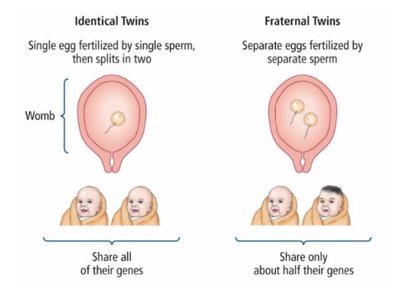
Twin studies compare identical (monozygotic) and fraternal (dizygotic) twins to assess genetic and environmental influences on traits.
Behavioral genetics: Key tool for understanding nature vs. nurture.
Dermatoglyphic Method
Dermatoglyphics studies skin ridge patterns (fingerprints, palm, toes, soles) for personal identification and genetic research.
Uniqueness: Fingerprint patterns are unique and used in formal identification.
Cytogenetic Method
Chromosome analysis (karyotyping, banding, FISH, CGH) is used to study chromosome number, structure, and function in relation to gene inheritance.
Biochemical Method
Biochemical genetics identifies inherited metabolic disorders through analysis of DNA, RNA, proteins, and metabolites.
Clinical services: Tests for amino acid, organic acid, lipid storage, and mitochondrial disorders.
Population Statistics Method
The Hardy-Weinberg Principle states that allele frequencies in a population remain constant if certain conditions are met.
Population size is very large
Random mating occurs
No mutation
No selection
No migration
Equation:
where and are allele frequencies.
Molecular Biology Method and Genetic Engineering
Molecular biology techniques are used in medicine for disease analysis, gene function studies, diagnostics, gene therapy, and biotechnology.
Recombinant DNA technology: Used to develop new biological products and therapies.
Applications of Genetics
Medicine
Genetic techniques diagnose and treat inherited disorders, identify hereditary tendencies, and enable early intervention through newborn screening and prenatal testing.
Gene therapy: Modification of defective genotypes using recombinant DNA.
Bioinformatics: Used to identify candidate genes for pharmaceutical development.
Agriculture and Animal Husbandry
Genetic techniques improve plants and animals through breeding analysis, transgenic modification, artificial insemination, cloning, and hybridization.
Colchicine: Used to double chromosome number, creating new varieties.
Transgenic plants: Commercially advantageous lines introduced to the market.
Industry
Industries use geneticists to improve strains of microorganisms for production of antibiotics, drugs, and industrial chemicals. Biotechnology is widely applied for commercial product development.
Recombinant DNA: Used to create designer lines of bacteria, plants, and animals.
Mendelian Inheritance
Genes and Alleles
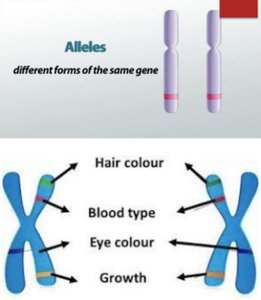
A gene is the basic unit of heredity, made up of DNA. Alleles are different forms of a gene found at the same locus on a chromosome, controlling specific traits.
Phenotype: Observable characteristics determined by genotype.
Homozygous: Two identical alleles (AA, aa).
Heterozygous: Two different alleles (Aa).
Dominant allele: Expressed trait; recessive allele is masked.
Mendel’s Theory of Inheritance
Gregor Mendel discovered fundamental laws of inheritance through pea plant experiments, establishing that genes come in pairs and are inherited as distinct units.
Law of Segregation: Two alleles for a trait separate randomly during gamete formation.
Law of Independent Assortment: Alleles of different genes assort independently during gamete formation.
Monohybrid and Dihybrid Crosses
Monohybrid crosses involve one trait, while dihybrid crosses involve two traits. Mendel’s laws explain the inheritance patterns observed in these crosses.
Punnett Square: Diagram used to predict genotypes and probabilities of offspring.
Modification of Mendelian Ratios
Non-Mendelian Inheritance Patterns
Gene expression and inheritance patterns can deviate from Mendelian ratios due to various factors, though Mendel’s laws still apply at the genotypic level.
Incomplete dominance: Heterozygote phenotype is intermediate.
Codominance: Both alleles are expressed.
Lethal alleles: Certain genotypes are not viable.
Multiple alleles: Genes can have more than two allelic forms.
Epistasis: One gene affects the expression of another.
Penetrance and expressivity: Variation in phenotype expression.
Pleiotropy: One gene affects multiple traits.
Genetic heterogeneity: Different genes cause the same phenotype.
Phenocopies: Environmental traits mimic genetic traits.
Example: Incomplete dominance in flower color results in pink flowers from red and white parents.
Additional info: These notes cover foundational concepts and techniques in genetics, including Mendelian and non-Mendelian inheritance, and their applications in medicine, agriculture, and industry. Images included are directly relevant to the discussed concepts, such as chromosomal abnormalities, recombinant DNA technology, twin studies, and gene structure.
