 Back
BackMolecular Genetics: Foundations, Methods, and Cell Division
Study Guide - Smart Notes
 Tailored notes based on your materials, expanded with key definitions, examples, and context.
Introduction to Molecular Genetics
What is Molecular Genetics?
Molecular genetics is a branch of genetics that focuses on the structure and function of genes at a molecular level. It explores how genetic information is stored, replicated, transmitted, and expressed within cells, providing the foundation for understanding heredity, variation, and the molecular basis of diseases.
Genetics is the study of heredity and variation—how traits and diseases are passed from one generation to the next.
Molecular genetics investigates the chemical nature of the gene itself: its structure, organization, and function.
Key processes include storage, replication, transmission, and activity of genetic material.
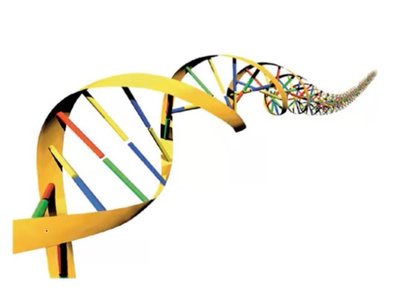
Why Study Molecular Genetics?
Understanding molecular genetics is essential for grasping how cells and organisms function, how development occurs, and how genetic changes can lead to disease. It also provides insights into evolution and enables technological advances in medicine and agriculture.
Explains the molecular basis of cell function and organismal development.
Reveals how genetic mutations cause diseases.
Facilitates the development of medicines and genetically improved crops.
Provides the raw material for evolutionary change.
Genetic Approaches: Forward and Reverse Genetics
Forward Genetic Screening
Forward genetics is a classical approach used to identify genes responsible for a particular phenotype. It involves inducing random mutations and screening for individuals with altered traits, then identifying the mutated gene.
Mutagenesis: Random mutations are introduced into the genome of a population.
Screening: Mutant individuals are examined for a phenotype of interest.
Gene Identification: The mutated gene is identified in individuals with the phenotype.
This approach moves from phenotype to genotype.
Reverse Genetics
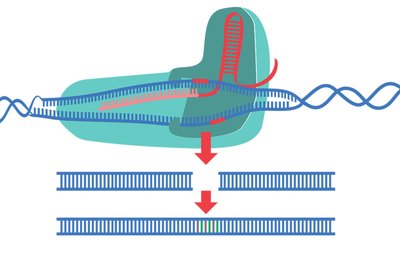
Reverse genetics starts with a known gene and investigates the effects of specific mutations on the phenotype. This approach is now more common due to advances in gene editing technologies.
Targeted Mutation: A specific gene is mutated (e.g., gene knockout).
Phenotypic Analysis: The resulting phenotype is studied.
This approach moves from genotype to phenotype.
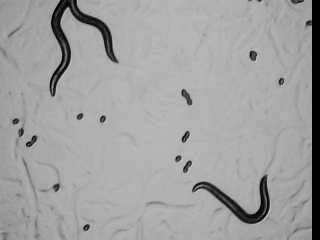
Model Organism: Caenorhabditis elegans in Nervous System Genetics
Identifying Genes Required for Nervous System Development
The nematode C. elegans is a widely used model organism in molecular genetics. Forward genetic screens can identify genes involved in nervous system development by isolating mutants with uncoordinated movement (Unc phenotype), which often result from defects in neural circuitry.
Mutants with defective movement are assumed to have nervous system defects.
Many "Unc" genes have been identified using this approach.
The unc-73/Trio gene is one example, required for proper nervous system function.
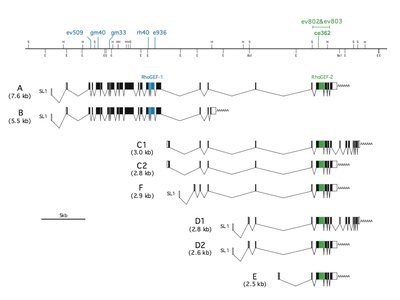
The unc-73/Trio Gene: Mutations and mRNAs
The unc-73/Trio gene encodes a protein involved in nervous system development and neurotransmission. Mutations in this gene can lead to defects in neural circuitry and movement.
Multiple mRNA isoforms are produced from the unc-73/Trio gene.
Different mutations can affect different aspects of nervous system function.
Trio Protein Function
The Trio protein contains domains that activate Rho family GTPases, which are critical for axon guidance (development) and neurotransmission modulation (physiology). Defects in human Trio are associated with autism and intellectual disability.
Trio activates Rac and Rho GTPases.
These GTPases regulate cytoskeletal dynamics in neurons.
Proper function is essential for nervous system development and signaling.
Genetic Material: Chromosomes and DNA
Chromosomes and the Cell Cycle
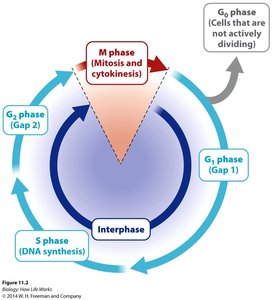
Chromosomes are structures composed of DNA and proteins that carry genetic information. The cell cycle describes the sequence of events in the life of a cell, including growth, DNA replication, and division.
Interphase: Cell grows and DNA is replicated.
M phase: Mitosis and cytokinesis occur, resulting in two daughter cells.
Cells can exit the cycle into a quiescent state (G0 phase).

Chromosome Structure: Homologous Chromosomes and Sister Chromatids
Each cell contains pairs of homologous chromosomes, one from each parent. After DNA replication, each chromosome consists of two identical sister chromatids joined at the centromere.
Homologous chromosomes: Chromosome pairs with the same genes but possibly different alleles.
Sister chromatids: Identical copies formed during DNA replication.
Mitosis: Genetic Continuity
Stages of Mitosis
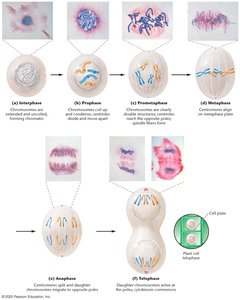
Mitosis is the process by which a eukaryotic cell divides to produce two genetically identical daughter cells. It ensures genetic continuity across generations of cells.
Five stages: prophase, prometaphase, metaphase, anaphase, telophase.
Sister chromatids separate and are distributed to daughter cells.
Microtubules and kinetochores are essential for chromosome movement.
Meiosis: Genetic Diversity
Overview of Meiosis
Meiosis is a specialized form of cell division that produces gametes (sperm and eggs) with half the number of chromosomes. It introduces genetic diversity through recombination and independent assortment.
Consists of two sequential divisions: Meiosis I and Meiosis II.
Meiosis I separates homologous chromosomes; Meiosis II separates sister chromatids.
Genetic diversity arises from crossing over and random assortment of chromosomes.
Prophase I of Meiosis
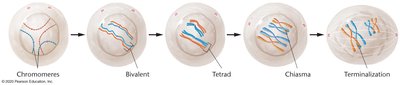
Prophase I is a critical stage in meiosis where homologous chromosomes pair and exchange genetic material through crossing over, forming structures called chiasmata.
Chromosomes condense and homologs pair (synapsis).
Crossing over occurs, increasing genetic variation.
Summary Table: Forward vs. Reverse Genetics
Approach | Direction | Method | Application |
|---|---|---|---|
Forward Genetics | Phenotype → Genotype | Random mutagenesis, phenotype screening | Identify genes responsible for a trait |
Reverse Genetics | Genotype → Phenotype | Targeted gene mutation (e.g., knockout) | Determine function of a specific gene |
Key Terms and Concepts
Gene: A segment of DNA that encodes a functional product, usually a protein.
Mutation: A change in the DNA sequence that may affect gene function.
Phenotype: Observable characteristics of an organism.
Genotype: The genetic makeup of an organism.
Model organism: A species extensively studied to understand biological processes (e.g., C. elegans).
Further Reading
Klug, Cummings, Spencer, Palladino, Killian. Essentials of Genetics, 10th Edition, Pearson.
