Back

Chemical Properties definitions

Control buttons has been changed to "navigation" mode.
1/14
  • Chemical Property

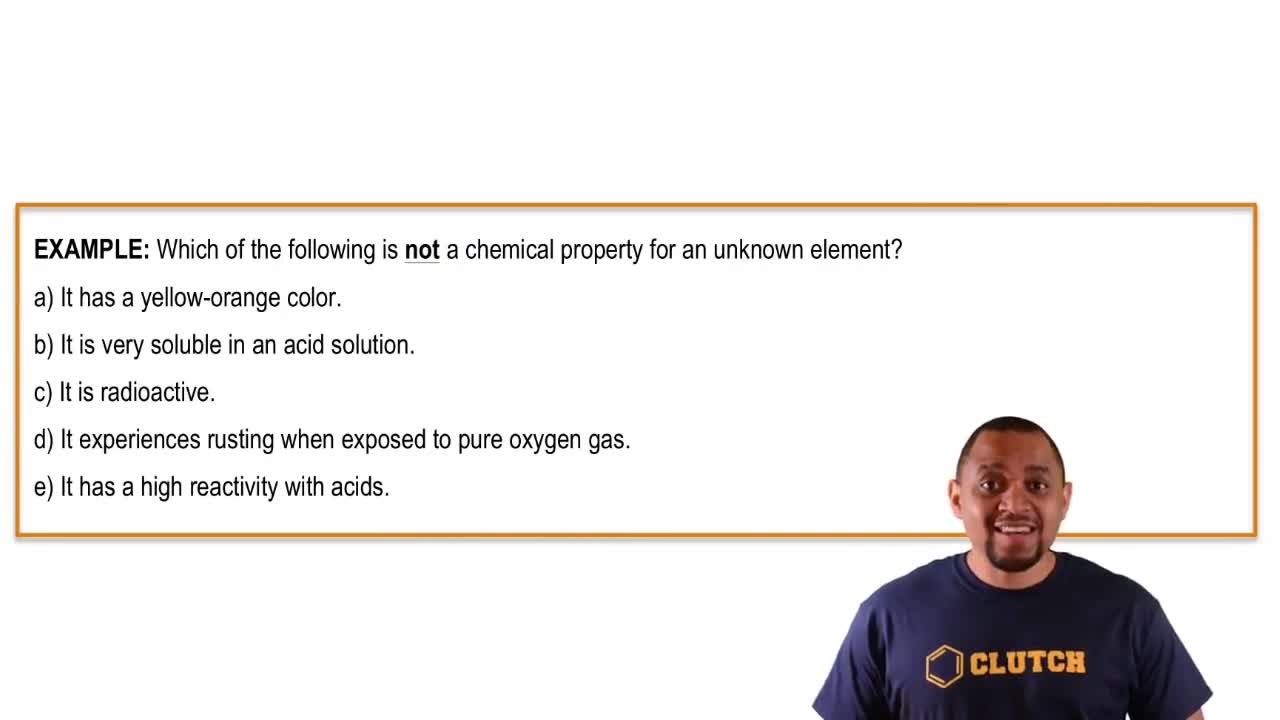
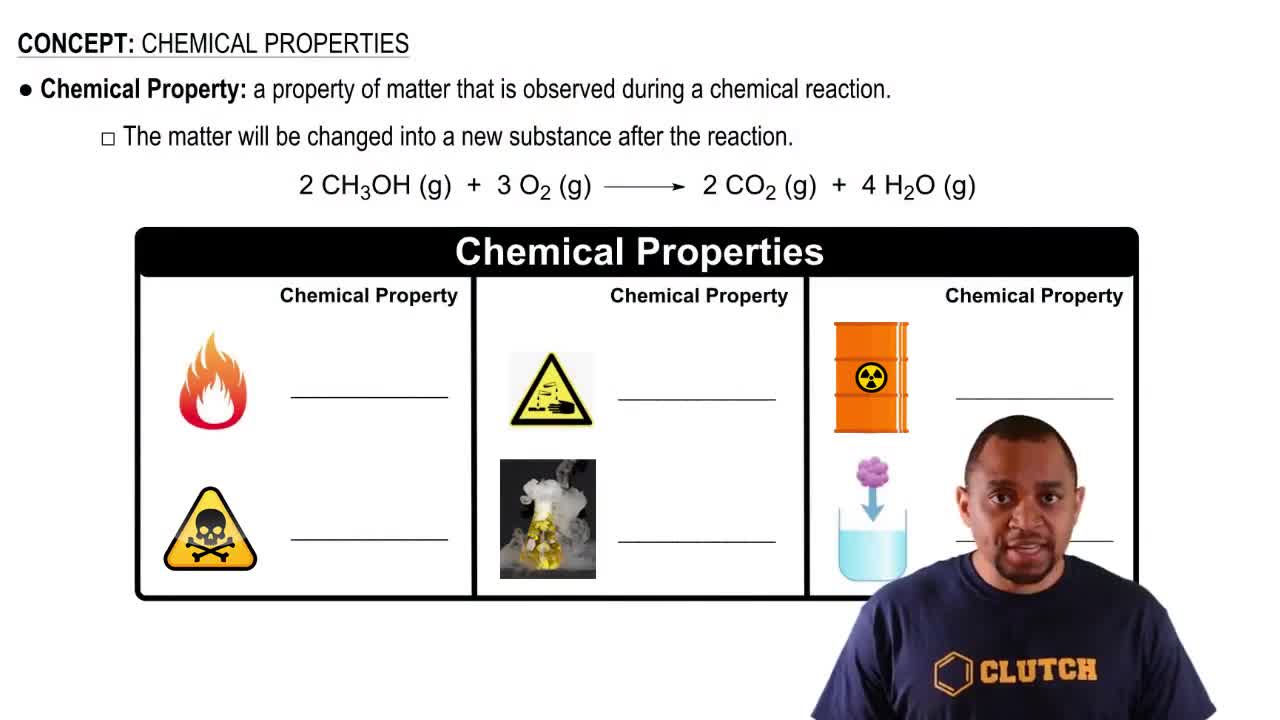
    Observed during a reaction where matter's composition and identity are permanently changed, revealing new substances.
  • Chemical Reaction

    Process where reactants transform into products, altering the original substances' bonds and composition.
  • Reactant

    Starting material in a reaction, present before the arrow, which undergoes a chemical change.
  • Product

    Substance formed after a reaction, found after the arrow, with a new composition and identity.
  • Flammability

    Ease with which a material catches fire, indicating how readily it undergoes combustion.
  • Toxicity

    Potential of a substance to cause harm or adverse effects to living organisms.
  • Corrosiveness

    Ability of a material to degrade or break down other substances upon contact.
  • Reactivity

    Tendency of a substance to undergo visible changes, such as bubble or color formation, during a reaction.
  • Radioactivity

    Property involving emission of energy or particles from unstable atomic nuclei.
  • Solubility

    Extent to which a solid can be broken down and interact with a liquid, forming a homogeneous mixture.
  • Methanol

    A gaseous compound used as a reactant in reactions, represented by CH3OH.
  • Oxygen

    A gaseous element acting as a reactant, essential for combustion and many reactions.
  • Carbon Dioxide

    A gaseous product formed from reactions involving carbon-containing compounds and oxygen.
  • Water Vapor

    A gaseous product resulting from reactions, especially those involving combustion.