Back

Redox Reactions definitions

Control buttons has been changed to "navigation" mode.
1/12
  • Redox Reaction

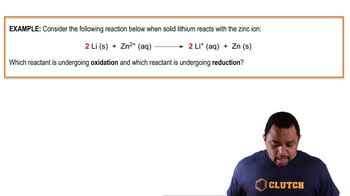
    A chemical process involving the transfer of electrons between reactants, resulting in changes to their charges.
  • Oxidation

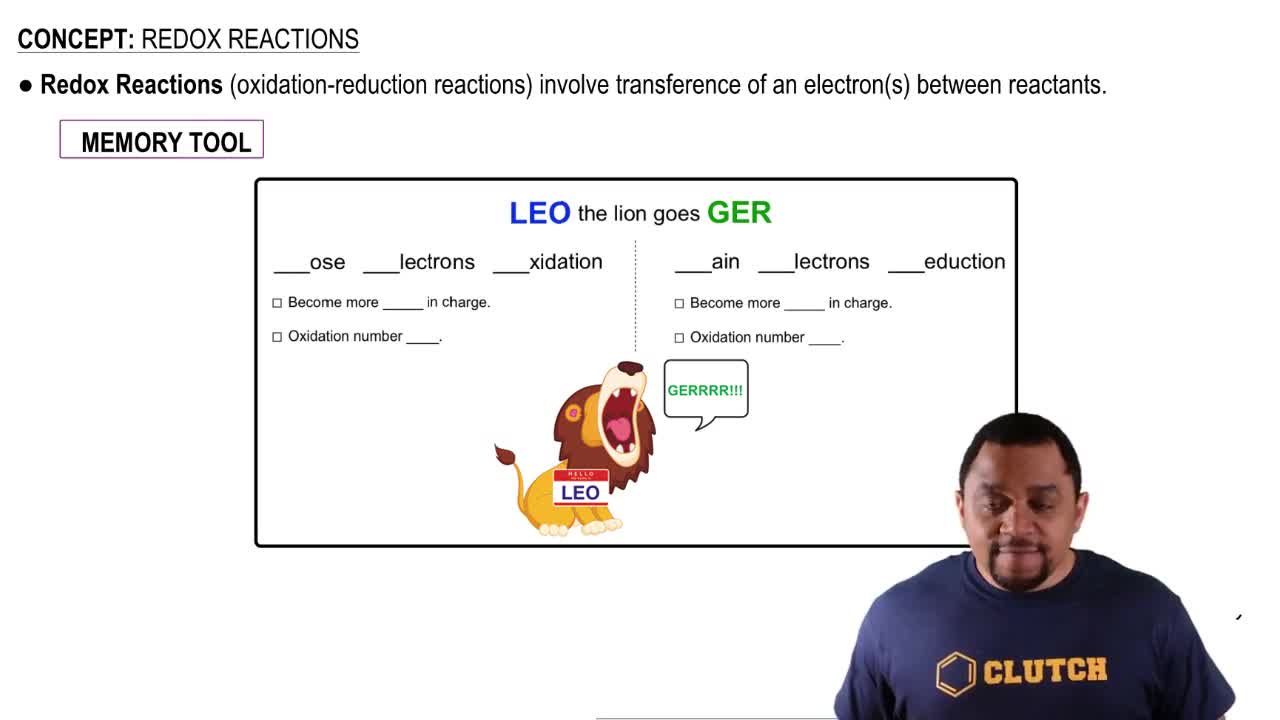
    A process where a substance loses electrons, leading to an increase in its oxidation number and a more positive charge.
  • Reduction

    A process where a substance gains electrons, causing its oxidation number to decrease and its charge to become more negative.
  • Electron Transfer

    The movement of negatively charged particles from one reactant to another, central to redox processes.
  • Oxidation Number

    A value representing the charge of an atom after electron loss or gain, used to track electron movement in reactions.
  • Oxidizing Agent

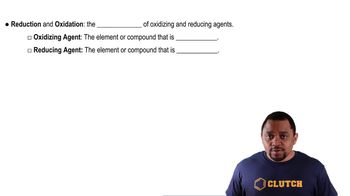
    The element or compound that causes another to lose electrons and is itself reduced during the reaction.
  • Reducing Agent

    The element or compound that causes another to gain electrons and is itself oxidized during the reaction.
  • LEO

    A mnemonic for 'Lose Electrons Oxidation,' helping recall that electron loss means oxidation.
  • GER

    A mnemonic for 'Gain Electrons Reduction,' aiding memory that electron gain means reduction.
  • Charge

    The electrical property of a substance, which becomes more positive with electron loss and more negative with electron gain.
  • Reactant

    A starting substance in a chemical process that undergoes electron transfer during a redox event.
  • Substance

    A general term for any element or compound participating in electron exchange during a redox process.