Ch. 16 The Autonomic Nervous System and Higher-Order Functions
Martini - Fundamentals of Anatomy & Physiology 11th Edition
Martini, Nath, Bartholomew11th EditionFundamentals of Anatomy & PhysiologyISBN: 9780136874089당신이 사용하는 게 아니라요?교과서 변경
16장, 문제 10

What physiological activities distinguish non-REM sleep from REM sleep?

검증된 단계별 안내
1
Step 1: Understand that sleep is divided into two main types: non-REM (NREM) sleep and REM (Rapid Eye Movement) sleep, each characterized by distinct physiological activities.
Step 2: Identify key physiological features of non-REM sleep, such as slower brain waves (delta waves), reduced heart rate, decreased respiratory rate, and muscle relaxation without rapid eye movements.
Step 3: Identify key physiological features of REM sleep, including rapid eye movements, brain activity similar to wakefulness (desynchronized EEG), increased heart rate and respiration variability, and muscle atonia (near paralysis).
Step 4: Compare the brain wave patterns by noting that non-REM sleep shows synchronized, slow-wave activity, while REM sleep shows desynchronized, fast-wave activity resembling an awake state.
Step 5: Summarize that non-REM sleep is associated with restorative processes and reduced autonomic activity, whereas REM sleep is linked to dreaming, memory consolidation, and increased autonomic variability.

비슷한 문제에 대한 검증된 영상 답변:

이 영상 해법은 위 문제에 도움이 된다고 튜터들이 추천한 것입니다.
영상 길이:
3m
도움이 되었나요?

주요 개념

질문에 올바르게 답하기 위해 반드시 이해해야 하는 핵심 개념들은 다음과 같습니다.

Non-REM Sleep Characteristics

Non-REM sleep is a phase of sleep marked by slower brain waves, reduced heart rate, and decreased muscle activity. It includes stages from light to deep sleep, during which the body focuses on restoration and energy conservation. Physiological functions like breathing become regular, and there is minimal eye movement.
추천 영상:
가이드 코스
00:48
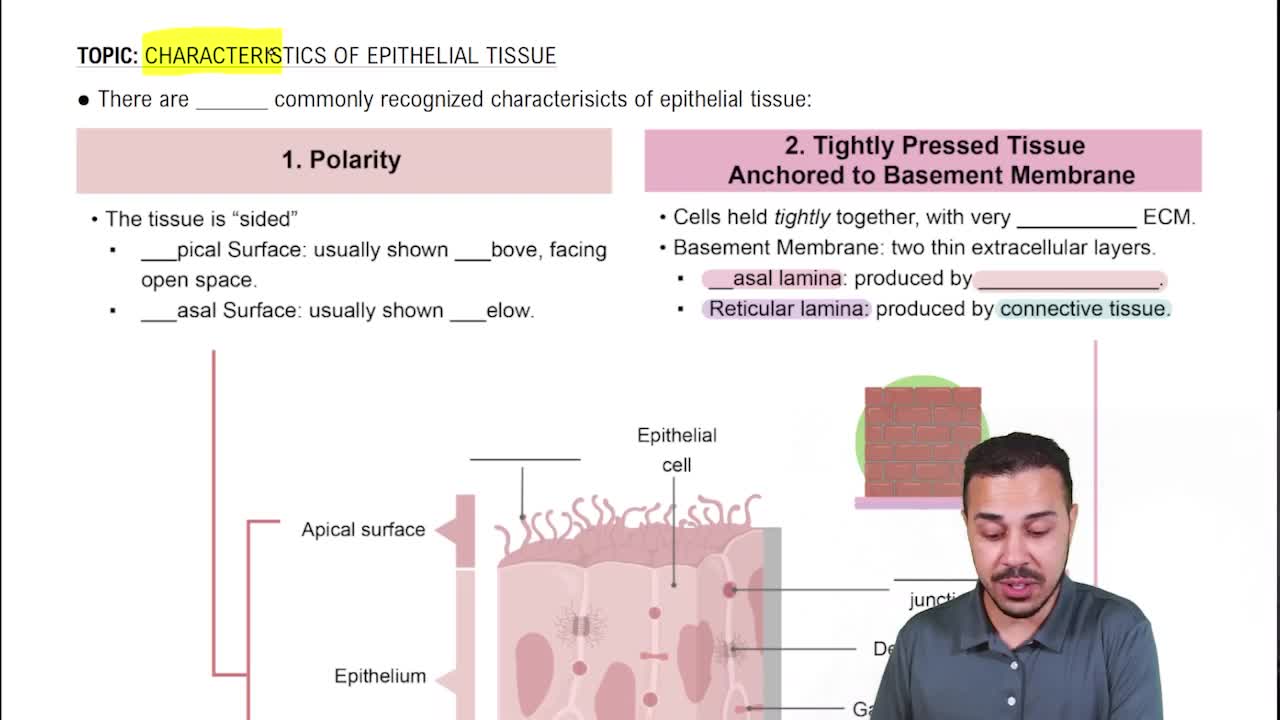
5 Characteristics of Epithelia

REM Sleep Characteristics

REM (Rapid Eye Movement) sleep is characterized by rapid eye movements, increased brain activity similar to wakefulness, and muscle atonia (temporary paralysis). It is the stage where most vivid dreaming occurs, and physiological functions such as heart rate and breathing become irregular and variable.
추천 영상:
가이드 코스
00:48
5 Characteristics of Epithelia

Physiological Differences Between Non-REM and REM Sleep

The main physiological differences include brain wave patterns, muscle tone, eye movement, and autonomic functions. Non-REM sleep shows slow-wave activity and muscle relaxation without paralysis, while REM sleep exhibits fast brain waves, muscle atonia, and rapid eye movements. These differences reflect distinct roles in memory consolidation and bodily restoration.
추천 영상:
가이드 코스
03:04
The Difference Between Anatomy and Physiology