Ch. 18 The Endocrine System
Martini - Fundamentals of Anatomy & Physiology 11th Edition
Martini, Nath, Bartholomew11th EditionFundamentals of Anatomy & PhysiologyISBN: 9780136874089당신이 사용하는 게 아니라요?교과서 변경
18장, 문제 23

Decreased blood calcium level would result in increased:
(a) Secretion of calcitonin
(b) Secretion of PTH
(c) Elimination of calcium by the kidneys
(d) Osteoclast activity
(e) Excitability of neural membranes

검증된 단계별 안내
1
Step 1: Understand the role of blood calcium levels in the body. Calcium is crucial for many physiological processes, including bone metabolism, nerve function, and muscle contraction. The body tightly regulates blood calcium levels through hormones and cellular activity.
Step 2: Recall the hormones involved in calcium regulation: Parathyroid hormone (PTH) and calcitonin. PTH is secreted when blood calcium levels are low to increase calcium levels, while calcitonin is secreted when calcium levels are high to lower them.
Step 3: Analyze the effects of decreased blood calcium. When calcium levels drop, the body responds by increasing PTH secretion to raise calcium levels. This involves increasing osteoclast activity to release calcium from bones, reducing calcium elimination by the kidneys, and increasing calcium absorption in the intestines.
Step 4: Evaluate each option in the context of decreased blood calcium: (a) Calcitonin secretion would decrease, not increase, because it lowers calcium. (b) PTH secretion would increase to raise calcium levels. (c) Calcium elimination by kidneys would decrease to conserve calcium. (d) Osteoclast activity would increase to release calcium from bones. (e) Excitability of neural membranes increases with low calcium, as calcium stabilizes neural membranes.
Step 5: Summarize the physiological responses to decreased blood calcium: increased PTH secretion, increased osteoclast activity, decreased calcium elimination by kidneys, and increased neural excitability. Calcitonin secretion decreases in this scenario.

비슷한 문제에 대한 검증된 영상 답변:

이 영상 해법은 위 문제에 도움이 된다고 튜터들이 추천한 것입니다.
도움이 되었나요?

주요 개념

질문에 올바르게 답하기 위해 반드시 이해해야 하는 핵심 개념들은 다음과 같습니다.

Parathyroid Hormone (PTH) Secretion

PTH is secreted by the parathyroid glands in response to low blood calcium levels. It acts to increase calcium concentration by stimulating bone resorption, enhancing calcium reabsorption in the kidneys, and promoting activation of vitamin D to increase intestinal calcium absorption.
추천 영상:
13:06
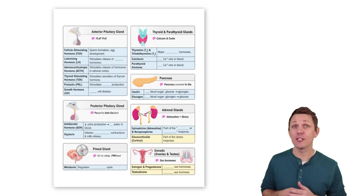
Review of Major Hormones

Calcitonin Function

Calcitonin is a hormone produced by the thyroid gland that lowers blood calcium levels by inhibiting osteoclast activity and promoting calcium deposition in bones. Its secretion increases when blood calcium is high, thus it decreases when calcium levels are low.
추천 영상:
가이드 코스
06:04
Functional Groups

Osteoclast Activity and Calcium Homeostasis

Osteoclasts are bone cells that break down bone tissue, releasing calcium into the bloodstream. Increased osteoclast activity raises blood calcium levels, which is typically stimulated by PTH during hypocalcemia to restore calcium balance.
추천 영상:
01:59
Introduction to Homeostasis