Ch. 21 Blood Vessels and Circulation
Martini - Fundamentals of Anatomy & Physiology 11th Edition
Martini, Nath, Bartholomew11th EditionFundamentals of Anatomy & PhysiologyISBN: 9780136874089당신이 사용하는 게 아니라요?교과서 변경
21장, 문제 8

Blood is transported through the venous system by means of:
(a) Skeletal muscle contractions
(b) Decreasing blood pressure
(c) The respiratory pump
(d) A and C

검증된 단계별 안내
1
Step 1: Understand the venous system's function, which is to return deoxygenated blood back to the heart, often against gravity, especially from the lower parts of the body.
Step 2: Recognize that veins have valves to prevent backflow, but they rely on external mechanisms to help push blood toward the heart since the pressure in veins is relatively low compared to arteries.
Step 3: Identify the role of skeletal muscle contractions (option a) in compressing veins during movement, which helps propel blood forward through the valves—this is often called the 'muscle pump.'
Step 4: Understand the respiratory pump (option c), which involves pressure changes in the thoracic cavity during breathing that help draw blood into the thoracic veins and the right atrium.
Step 5: Evaluate the options: decreasing blood pressure (option b) does not directly aid venous return; instead, the combination of skeletal muscle contractions and the respiratory pump (option d) effectively assists venous blood flow.

비슷한 문제에 대한 검증된 영상 답변:

이 영상 해법은 위 문제에 도움이 된다고 튜터들이 추천한 것입니다.

주요 개념

질문에 올바르게 답하기 위해 반드시 이해해야 하는 핵심 개념들은 다음과 같습니다.

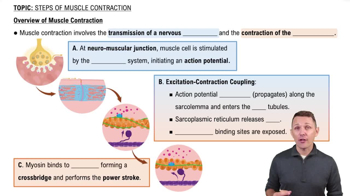
Skeletal Muscle Contractions

Skeletal muscle contractions help propel blood through veins, especially in the limbs, by compressing the veins and pushing blood toward the heart. This mechanism is often called the 'muscle pump' and is crucial for venous return against gravity.
추천 영상:
4:53
Overview of Muscle Contraction

The Respiratory Pump

The respiratory pump involves pressure changes in the thoracic cavity during breathing. When you inhale, decreased thoracic pressure and increased abdominal pressure help draw venous blood toward the heart, aiding venous return.
추천 영상:
03:40
The Sodium Potassium Pump

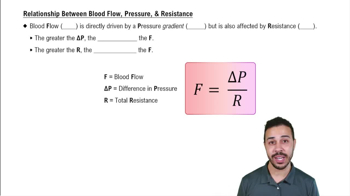
Venous Blood Pressure and Flow

Venous blood pressure is generally low and does not decrease to drive blood flow; instead, mechanisms like muscle contractions and the respiratory pump assist venous return. Understanding that decreasing blood pressure alone does not transport venous blood is key.
추천 영상:
가이드 코스
6:40
Relationship Between Blood Flow, Pressure, & Resistance