Ch. 6 Bones and Bone Structure
Martini - Fundamentals of Anatomy & Physiology 11th Edition
Martini, Nath, Bartholomew11th EditionFundamentals of Anatomy & PhysiologyISBN: 9780136874089당신이 사용하는 게 아니라요?교과서 변경
6장, 문제 20

Why are stresses or impacts to the side of the shaft in a long bone more dangerous than stress applied to the long axis of the shaft?

검증된 단계별 안내
1
Understand the structure of a long bone, which consists of a dense outer layer called the compact bone and an inner cavity filled with marrow. The shaft, or diaphysis, is designed primarily to withstand forces along its long axis.
Recognize that bones are strongest when forces are applied along their long axis because the compact bone is arranged to resist compression and tension in this direction, distributing the load efficiently.
Consider that stresses or impacts applied to the side of the shaft create bending forces, which generate tension on one side of the bone and compression on the other, increasing the risk of fractures.
Note that lateral impacts can cause shear stress and bending moments, which bones are less adapted to resist compared to axial compression, making the bone more vulnerable to cracks or breaks.
Conclude that because the bone's structural design favors axial loading, side impacts are more dangerous as they impose complex stresses that exceed the bone's mechanical strength, leading to a higher chance of injury.

비슷한 문제에 대한 검증된 영상 답변:

이 영상 해법은 위 문제에 도움이 된다고 튜터들이 추천한 것입니다.
영상 길이:
2m
도움이 되었나요?

주요 개념

질문에 올바르게 답하기 위해 반드시 이해해야 하는 핵심 개념들은 다음과 같습니다.

Types of Mechanical Stress on Bones

Bones experience different stresses such as axial (along the long axis), bending, torsion, and shear. Axial stress is generally well tolerated because bones are structurally designed to bear weight along their length, while bending or lateral stresses create uneven forces that can cause fractures more easily.
추천 영상:
4:14
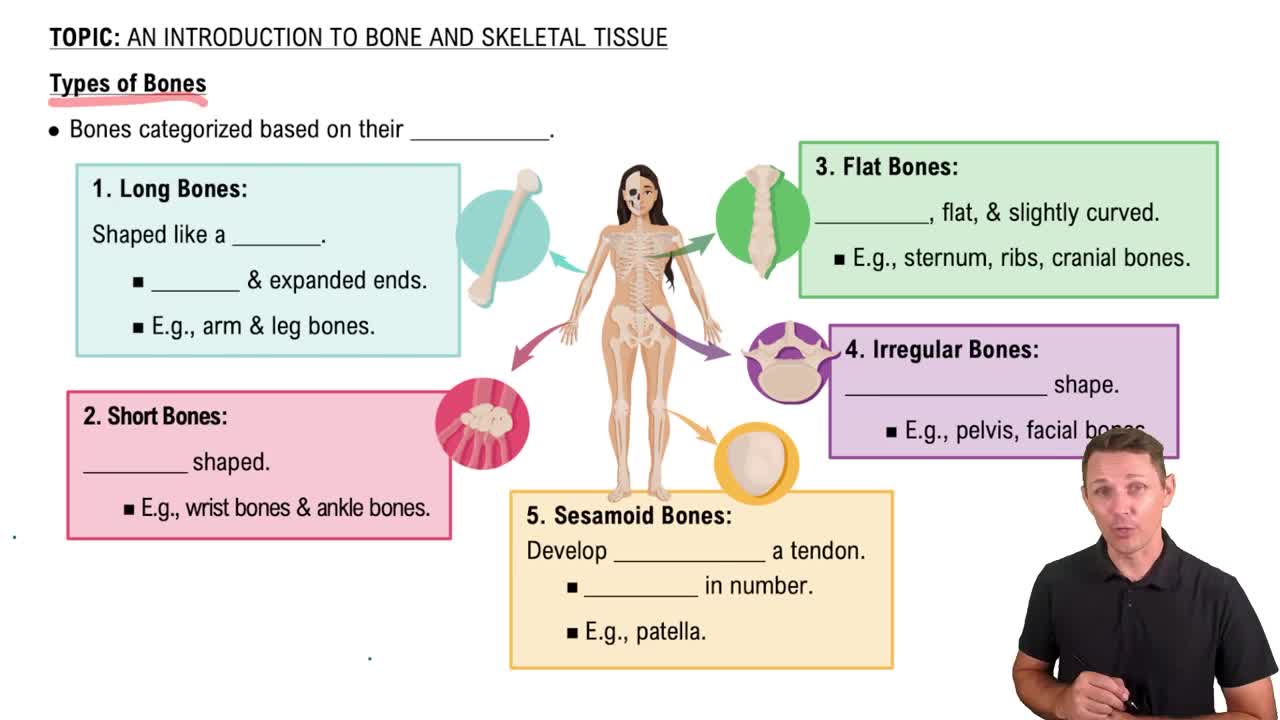
Types of Bones

Bone Structure and Load Distribution

The shaft of a long bone, or diaphysis, has a thick cortical bone layer optimized to resist compressive forces along its length. When stress is applied sideways, it causes bending moments that concentrate tension and compression on opposite sides, increasing the risk of cracks or breaks.
추천 영상:
3:22
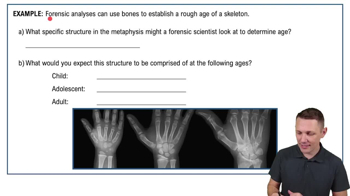
Gross Anatomy of Bones - Structure of a Long Bone Example 1

Biomechanics of Bending and Impact Forces

Lateral impacts generate bending forces that produce tensile and compressive stresses simultaneously, which bones are less adapted to handle. This uneven stress distribution can lead to microfractures or complete fractures, making side impacts more dangerous than axial loading.
추천 영상:
5:45
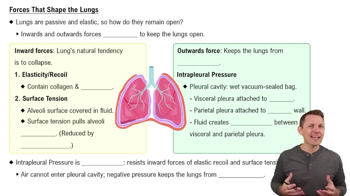
Forces That Shape the Lungs