Ch.22 Carbohydrate Metabolism
McMurry - Fundamentals of General, Organic, and Biological Chemistry 8th Edition
McMurry8th EditionFundamentals of General, Organic, and Biological ChemistryISBN: 9780134015187당신이 사용하는 게 아니라요?교과서 변경
22장, 문제 42a

Which cells, liver, muscle, or brain, use the following pathways?
a. Glycolysis

검증된 단계별 안내
1
Understand the concept of glycolysis: Glycolysis is a metabolic pathway that breaks down glucose into pyruvate, generating ATP and NADH. It is an anaerobic process, meaning it does not require oxygen, and occurs in the cytoplasm of cells.
Identify the types of cells that use glycolysis: Glycolysis is a universal pathway and occurs in almost all cells, as it is a primary method of energy production, especially when oxygen is limited.
Explain glycolysis in liver cells: Liver cells use glycolysis to generate energy and also to regulate blood glucose levels. The liver can convert excess glucose into glycogen for storage or use glycolysis to produce intermediates for other metabolic pathways.
Explain glycolysis in muscle cells: Muscle cells rely heavily on glycolysis, especially during intense physical activity when oxygen supply is limited. Glycolysis provides a rapid source of ATP to fuel muscle contractions.
Explain glycolysis in brain cells: Brain cells depend on glycolysis as a primary energy source because the brain has a high demand for glucose. Glycolysis in brain cells ensures a continuous supply of ATP to support neuronal activity and other cellular functions.

비슷한 문제에 대한 검증된 영상 답변:

이 영상 해법은 위 문제에 도움이 된다고 튜터들이 추천한 것입니다.
영상 길이:
3m
도움이 되었나요?

주요 개념

질문에 올바르게 답하기 위해 반드시 이해해야 하는 핵심 개념들은 다음과 같습니다.

Glycolysis

Glycolysis is a metabolic pathway that converts glucose into pyruvate, producing a small amount of ATP and NADH in the process. It occurs in the cytoplasm of cells and is the first step in both aerobic and anaerobic respiration. This pathway is crucial for energy production, especially in cells with high energy demands, such as muscle cells during exercise.
추천 영상:
가이드 코스
1:26
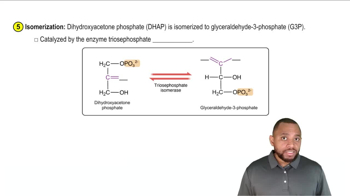
Glycolysis Concept 5

Cellular Metabolism

Cellular metabolism encompasses all biochemical processes that occur within a cell, including energy production, biosynthesis, and degradation of molecules. Different cell types, such as liver, muscle, and brain cells, have distinct metabolic profiles and pathways they utilize based on their specific functions and energy requirements. Understanding these differences is essential for analyzing how various cells utilize glycolysis.
추천 영상:
가이드 코스
0:52
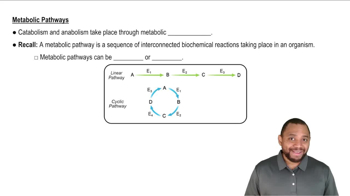
Metabolic Pathways Concept 2

Tissue-Specific Metabolism

Tissue-specific metabolism refers to the unique metabolic pathways and preferences exhibited by different types of cells or tissues. For instance, liver cells are involved in gluconeogenesis and glycogen storage, while muscle cells primarily rely on glycolysis for quick energy during physical activity. Brain cells, on the other hand, predominantly use glucose and ketone bodies for energy, highlighting the importance of understanding how glycolysis is utilized across different tissues.
추천 영상:
가이드 코스
01:37
Specific Gravity