뒤로
뒤로
문제 3a
The cofactors NAD+, Cu2+, Zn2+, coenzyme A, FAD, and Ni2+ are all needed by your body for enzymatic reactions.
a. Which cofactors are coenzymes?
문제 4b
Describe the reactions that you would expect these enzymes to catalyze.
b. Aspartate transaminase
문제 5a
Name the enzyme whose substrate is
a. Urea
문제 7
Identify and describe the chemical change in the lyase-catalyzed reaction in Table 19.4 that involves fumarate and malate. Identify the substrate(s) and product(s).
문제 8
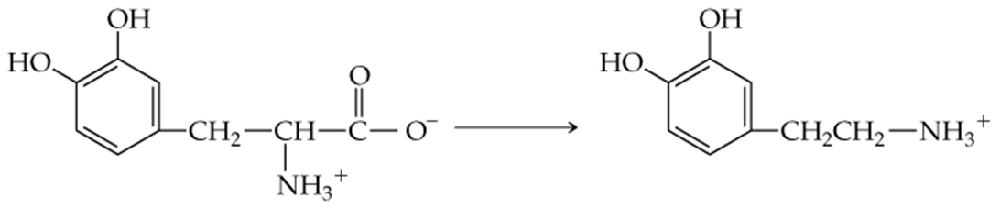
Which of the following reactions can be catalyzed by a decarboxylase?
a.
b.
문제 10
What do we mean when we say an enzyme is saturated with substrate? When an enzyme is saturated with substrate, how does adding more (a) substrate and (b) enzyme affect the rate of the reaction?
문제 14
What kind of reaction product might be a competitive inhibitor for the enzyme that catalyzes its formation?
문제 16
Which type of enzyme regulation is best for the following situations?
a. An enzyme that becomes overactive during a disease
b. An enzyme needed only when there is low blood glucose
c. An enzyme that springs into action when a traumatic injury occurs
d. An enzyme needed only during adolescence
문제 17c
Does the enzyme described in each of the following statements require a cofactor to be active?
c. The presence of K+ does not affect the reaction.
문제 18b
Which vitamin provides us with each of the following?
b. Coenzyme A
문제 19
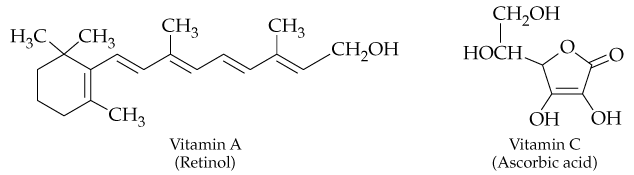
Compare the structures of vitamin A and vitamin C. Which one is water-soluble and which is fat-soluble? What structural features does each have that make one water-soluble and the other fat-soluble?
문제 20
Based on the structure shown for retinol (vitamin A) and the names of the two related forms of vitamin A, retinal and retinoic acid, what do you expect to be the structural differences among these three compounds?
문제 21
Vitamins are a diverse group of compounds that must be present in the diet. List four functions of vitamins in the body.
문제 25a
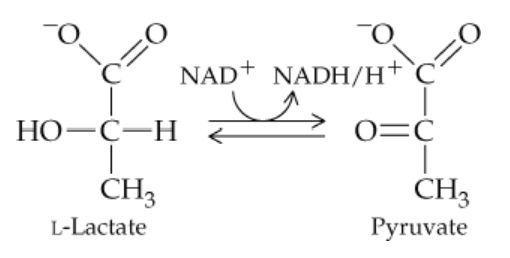
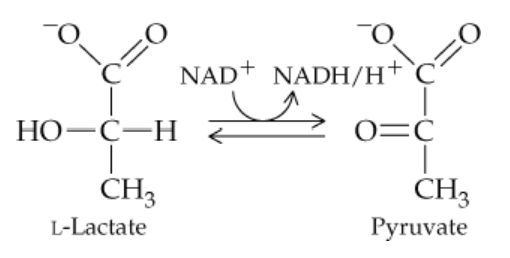
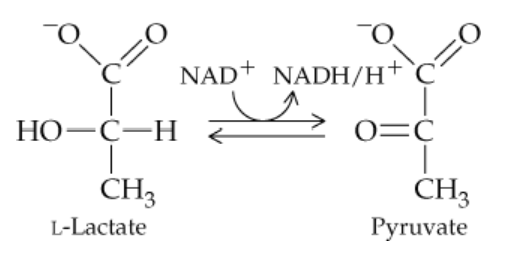
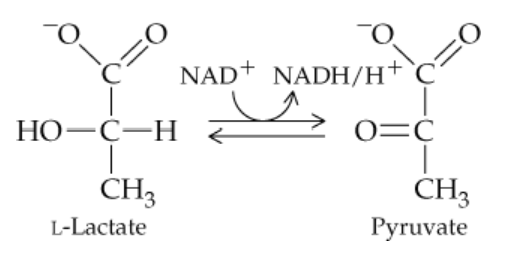
Answer questions (a)–(e) concerning the following reaction:
a. The enzyme involved in this reaction belongs to what class of enzymes?
문제 25b
Answer questions (a)–(e) concerning the following reaction:
b. Since hydrogens are removed, the enzyme belongs to what subclass of the enzyme class from part (a)?
문제 25c
Answer questions (a)–(e) concerning the following reaction:
c. What is the substrate for the reaction as written?
문제 25d
Answer questions (a)–(e) concerning the following reaction:
d. What is the product for the reaction as written?
문제 28a
Explain how the following changes affect the rate of an enzyme-catalyzed reaction in the presence of an uncompetitive inhibitor:
(a) increasing the substrate concentration at a constant inhibitor concentration
문제 28b
Explain how the following changes affect the rate of an enzyme-catalyzed reaction in the presence of an uncompetitive inhibitor:
(b) decreasing the inhibitor concentration at a constant substrate concentration.
문제 29b
Explain how the following mechanisms regulate enzyme activity.
b. Genetic control
문제 30a
What type of enzyme regulation occurs in the following situations?
a. Buildup of the product of the pathway that converts glucose to pyruvate stops at the first enzyme in the multistep process.
문제 30d
What type of enzyme regulation occurs in the following situations?
d. Conversion of isocitrate to α-ketoglutarate is inhibited by high levels of ATP. (Hint: ATP is neither a product nor a substrate in this reaction.)
문제 32b
Name the vitamin to which each of these coenzymes is related.
b. Coenzyme A
문제 33a
Which of the following is a cofactor and which is a coenzyme?
a. Cu2+
문제 33b
Which of the following is a cofactor and which is a coenzyme?
b. Tetrahydrofolate
문제 33c
Which of the following is a cofactor and which is a coenzyme?
c. NAD+
문제 35a
Which of the following is a cofactor and which is a coenzyme?
a. Fe2+
문제 35b
Which of the following is a cofactor and which is a coenzyme?
b. Pyridoxyl phosphate
문제 36b
What general kinds of reactions do the following types of enzymes catalyze?
b. Decarboxylases
문제 36c
What general kinds of reactions do the following types of enzymes catalyze?
c. Lipases