뒤로
뒤로
문제 1c
Identify the following molecules as a carboxylic acid, an amide, an ester, or none of these.
c. CH3COOH
문제 3
Write both the complete structural formula of succinic acid, showing all bonds, and the line-angle structural formula.
문제 7a
In the following pairs of compounds, which would you expect to be more soluble in water? Why?
a. C8H17COOH or CH3CH2CH2COOH
문제 8a
Write both condensed and line structures for (a) the ester formed when butyric acid reacts with cyclopentanol.
문제 9c
What are the names of the following compounds?
c.
문제 13a
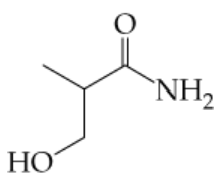
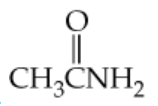
Identify the following molecules as an ester, a carboxylic acid, or an amide, and write both the condensed and line-structural formula for each.
a. <IMAGE>
문제 14b
Write the products of the following reactions:
b. 2, 2-Dimethylpentanoic acid + KOH → ?
문제 15
Write the formulas of potassium salicylate and disodium oxalate.
문제 20a
Draw structures of the amides that can be made from the following reactants:
a. CH3NH2 + (CH3)2CHCOOH →?
문제 20b
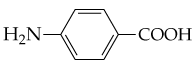
Draw structures of the amides that can be made from the following reactants:
b.
문제 21
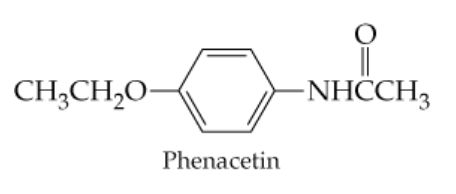
Phenacetin (shown in the margin) was once used in headache remedies but is now banned because of its potential for causing kidney damage. (a) Identify all the functional groups present in phenacetin. (b) Draw the structures of the carboxylic acid and amine needed to prepare phenacetin.
문제 23a
Draw the products you would obtain from acid-catalyzed hydrolysis of the following esters.
a. Isopropyl benzoate
문제 23b
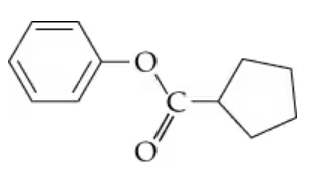
Draw the products you would obtain from acid-catalyzed hydrolysis of the following esters.
b.
문제 24a
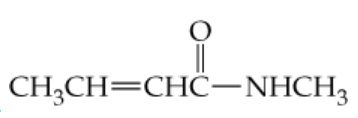
What carboxylic acids and amines result from hydrolysis of the following amides?
a.
문제 24b
What carboxylic acids and amines result from hydrolysis of the following amides?
b. N,N-Dimethyl-p-nitrobenzamide
문제 26a
Give the structure of the repeating units in the polymers that are formed in the reactions of the following compounds.
a.
문제 27
Write the formula for the phosphate monoester formed from isopropyl alcohol and phosphoric acid.
문제 28a
Identify the functional group in the following compounds and give the structures of the products of hydrolysis for these compounds.
a.
문제 28b
Identify the functional group in the following compounds and give the structures of the products of hydrolysis for these compounds.
b. CH3CH2OPO32-
문제 31b
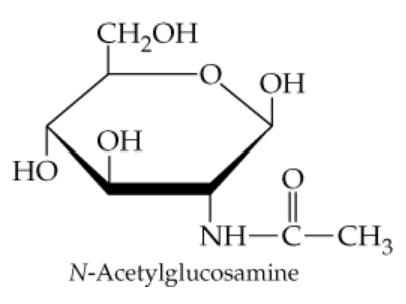
N-Acetylglucosamine (also known as NAG) is an important component on the surfaces of cells.
b. Draw the structures of the products of acid hydrolysis.
문제 32a
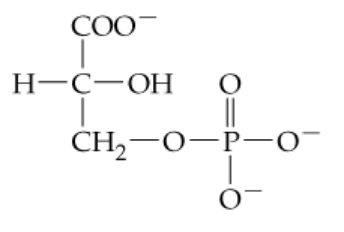
One phosphorylated form of glycerate is 3-phosphoglycerate
a. Identify the type of linkage between glycerate and phosphate.
문제 34a
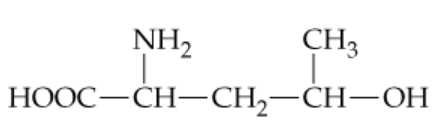
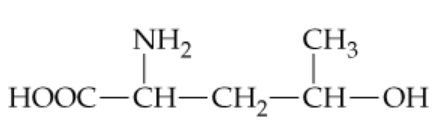
Consider the following unnatural amino acid:
a. If two molecules react to form an ester, what is the structure of the ester product?
문제 34c
Consider the following unnatural amino acid:
c. Draw the cyclic ester resulting from the intramolecular reaction of the hydroxyl group of this amino acid with its carboxyl group (cyclic esters are called lactones).
문제 35a(ii)
Draw the structures of the following compounds and use dashed lines to indicate where they form hydrogen bonds to other molecules of the same kind: (ii) methyl formate
문제 35a(i)
Draw the structures of the following compounds and use dashed lines to indicate where they form hydrogen bonds to other molecules of the same kind: (i) formic acid
문제 35b
Arrange these compounds in order of increasing boiling points and explain your rationale for the order.
(i) formic acid
(ii) methyl formate
(iii) formamide.
문제 38
Write the equation for the ionization of hexanoic acid in water at pH 7.4.
문제 39b
Suppose you have a sample of benzoic acid dissolved in water.
b. Now assume that aqueous NaOH is added to the benzoic acid solution until pH 12 is reached. Draw the structure of the major organic species present.
문제 39c
Suppose you have a sample of benzoic acid dissolved in water.
c. Finally, assume that aqueous HCl is added to the solution from (b) until pH 2 is reached. Draw the structure of the major organic species present.
문제 42d
Give systematic names for the following carboxylic acids:
d.