Ch.24 Lipid Metabolism
McMurry - Fundamentals of General, Organic, and Biological Chemistry 8th Edition
McMurry8th EditionFundamentals of General, Organic, and Biological ChemistryISBN: 9780134015187당신이 사용하는 게 아니라요?교과서 변경
24장, 문제 19

Why do lipids make you feel full for a long time after a meal?

검증된 단계별 안내
1
Lipids are a type of macronutrient that provide a high amount of energy per gram (9 kcal/g), which is more than carbohydrates (4 kcal/g) or proteins (4 kcal/g). This high energy density means they take longer to metabolize, contributing to a prolonged feeling of fullness.
Lipids are digested more slowly than carbohydrates and proteins because they require emulsification by bile salts in the small intestine before enzymes like lipase can break them down. This slower digestion rate delays gastric emptying, keeping food in the stomach longer and promoting satiety.
The digestion of lipids triggers the release of hormones such as cholecystokinin (CCK) and peptide YY (PYY). These hormones signal the brain to reduce appetite and increase the sensation of fullness.
Lipids are hydrophobic molecules, which means they form micelles during digestion. This process takes time and further contributes to the slower absorption and prolonged satiety effect.
The slower digestion and absorption of lipids, combined with their hormonal effects, make them effective at providing a sustained feeling of fullness after a meal.

비슷한 문제에 대한 검증된 영상 답변:

이 영상 해법은 위 문제에 도움이 된다고 튜터들이 추천한 것입니다.
영상 길이:
3m
도움이 되었나요?

주요 개념

질문에 올바르게 답하기 위해 반드시 이해해야 하는 핵심 개념들은 다음과 같습니다.

Lipid Digestion and Absorption

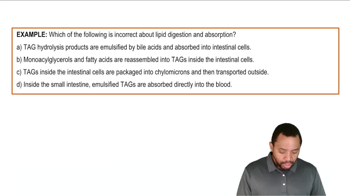
Lipids, or fats, undergo a complex digestion process that begins in the stomach and continues in the small intestine. They are emulsified by bile salts, allowing enzymes like lipase to break them down into fatty acids and glycerol. This slow digestion process contributes to a prolonged feeling of fullness, as fats take longer to break down compared to carbohydrates and proteins.
추천 영상:
가이드 코스
1:41
Digestion of Lipids Example 1

Hormonal Regulation of Satiety

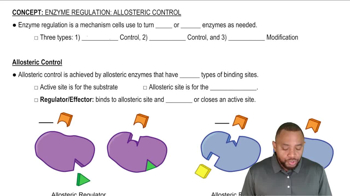
The consumption of lipids triggers the release of hormones such as cholecystokinin (CCK) and peptide YY (PYY), which signal satiety to the brain. These hormones help regulate appetite and promote a feeling of fullness, making it less likely for individuals to feel hungry soon after a meal that is high in fats.
추천 영상:
가이드 코스
2:57
Allosteric Control Concept 1

Caloric Density of Lipids

Lipids are more calorie-dense than carbohydrates and proteins, providing about 9 calories per gram compared to 4 calories per gram for the latter two. This high caloric density means that even small amounts of fat can significantly contribute to energy intake, leading to a greater sense of fullness and satisfaction after meals.
추천 영상: