Ch.25 Protein and Amino Acid Metabolism
McMurry - Fundamentals of General, Organic, and Biological Chemistry 8th Edition
McMurry8th EditionFundamentals of General, Organic, and Biological ChemistryISBN: 9780134015187당신이 사용하는 게 아니라요?교과서 변경
25장, 문제 45

Can an amino acid be both glucogenic and ketogenic? Explain why or why not.

검증된 단계별 안내
1
Understand the definitions: A glucogenic amino acid is one that can be converted into glucose through gluconeogenesis, while a ketogenic amino acid is one that can be converted into ketone bodies through ketogenesis. Some amino acids can be both glucogenic and ketogenic.
Recall the metabolic pathways: Glucogenic amino acids are metabolized into intermediates like pyruvate or citric acid cycle intermediates (e.g., oxaloacetate, α-ketoglutarate) that can be used to synthesize glucose. Ketogenic amino acids are metabolized into acetyl-CoA or acetoacetate, which are precursors for ketone body synthesis.
Identify amino acids with dual roles: Certain amino acids, such as isoleucine, phenylalanine, tyrosine, and tryptophan, have metabolic pathways that allow them to produce both glucogenic and ketogenic intermediates. For example, phenylalanine can be converted into fumarate (glucogenic) and acetoacetate (ketogenic).
Explain why dual roles are possible: The dual role of some amino acids is due to their ability to be metabolized into different intermediates depending on the enzymatic pathways and cellular needs. This flexibility allows the body to adapt to varying energy demands.
Conclude with an example: Yes, an amino acid can be both glucogenic and ketogenic. For instance, tryptophan can be broken down into alanine (glucogenic) and acetyl-CoA (ketogenic), demonstrating its dual metabolic role.

비슷한 문제에 대한 검증된 영상 답변:

이 영상 해법은 위 문제에 도움이 된다고 튜터들이 추천한 것입니다.
영상 길이:
2m
도움이 되었나요?

주요 개념

질문에 올바르게 답하기 위해 반드시 이해해야 하는 핵심 개념들은 다음과 같습니다.

Glucogenic Amino Acids

Glucogenic amino acids are those that can be converted into glucose through gluconeogenesis. When the body requires glucose, these amino acids can enter metabolic pathways that lead to the production of glucose, which is essential for energy, especially during fasting or intense exercise.
추천 영상:
가이드 코스
3:03
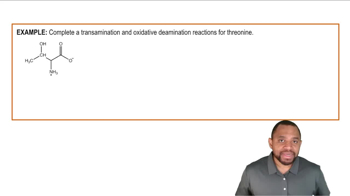
Amino Acid Catabolism: Amino Group Example 2

Ketogenic Amino Acids

Ketogenic amino acids are those that can be converted into ketone bodies, which serve as an alternative energy source when glucose is scarce. These amino acids are typically transformed into acetyl-CoA or acetoacetate, which can then be utilized in the production of ketones, particularly during prolonged fasting or low-carbohydrate diets.
추천 영상:
가이드 코스
3:03
Amino Acid Catabolism: Amino Group Example 2

Dual Nature of Certain Amino Acids

Some amino acids, such as isoleucine, phenylalanine, and tyrosine, possess the ability to be both glucogenic and ketogenic. This dual nature allows them to contribute to both glucose and ketone body production, depending on the body's metabolic needs and the availability of other substrates, making them versatile in energy metabolism.
추천 영상:
가이드 코스
1:33
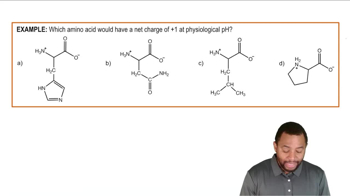
Amino Acid Classifications Example 3