뒤로
뒤로
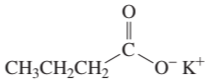
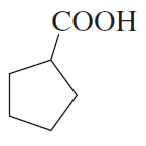
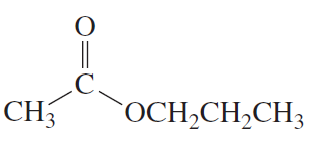
문제 2a
Name the following:
a.
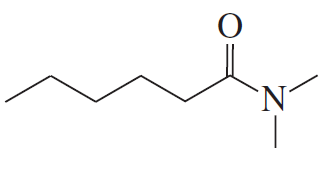
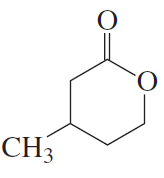
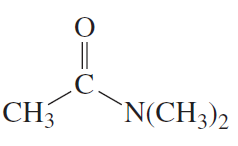
문제 2c
Name the following:
c.
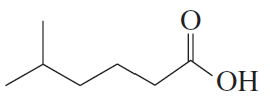
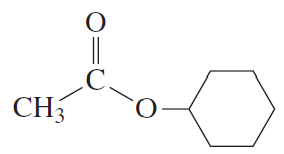
문제 2e
Name the following:
e.
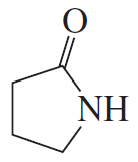
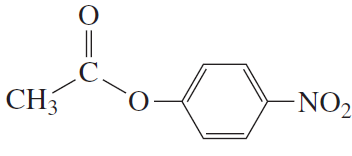
문제 2g
Name the following:
g.
문제 2h
Name the following:
h.
문제 2i
Name the following:
i.
문제 3a
Draw the structure for each of the following:
a. phenyl acetate
문제 3b
Draw the structure for each of the following:
b. γ-caprolactam
문제 3e
Draw the structure for each of the following:
e. γ-methylcaproic acid
문제 3f
Draw the structure for each of the following:
f. β-bromobutyramide
문제 3g
Draw the structure for each of the following:
g. ethyl 2-chloropentanoate
문제 3h
Draw the structure for each of the following:
h. cyclohexanecarbonyl chloride
문제 3i
Draw the structure for each of the following:
i. α-chlorovaleric acid
문제 4
Which is longer, the carbon–oxygen single bond in a carboxylic acid or the carbon–oxygen bond in an alcohol? Why?
문제 5
There are three carbon–oxygen bonds in methyl acetate.
a. What are their relative bond lengths?
b. What are the relative infrared (IR) stretching frequencies of these bonds?
문제 6
Which is a correct statement?
A. The delocalization energy of an ester is about 18 kcal/mol, and the delocalization energy of an amide is about 10 kcal/mol.
B. The delocalization energy of an ester is about 10 kcal/mol, and the delocalization energy of an amide is about 18 kcal/mol.
문제 7
What reagent should be used to carry out the following reaction?
문제 7b
b. What is the product of the reaction of acetamide with HO−? The pKa of NH3 is 36; the pKa of H2O is 15.7.
문제 8a
What is the product of an acyl substitution reaction—a new carboxylic acid derivative, a mixture of two carboxylic acid derivatives, or no reaction—if the new group in the tetrahedral intermediate is the following? a. a stronger base than the substituent that is attached to the acyl group
문제 8b
What is the product of an acyl substitution reaction—a new carboxylic acid derivative, a mixture of two carboxylic acid derivatives, or no reaction—if the new group in the tetrahedral intermediate is the following? b. a weaker base than the substituent that is attached to the acyl group
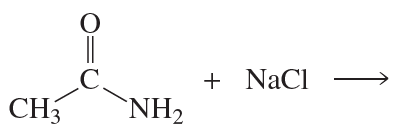
문제 10c
Using the pKa values listed in [TABLE 15.1], predict the products of the following reactions:
c.
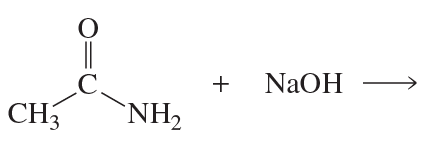
문제 10d
Using the pKa values listed in [TABLE 15.1], predict the products of the following reactions:
d.
문제 12c
Starting with acetyl chloride, what neutral nucleophile would you use to synthesize each of the following compounds?
c.
문제 12d
Starting with acetyl chloride, what neutral nucleophile would you use to synthesize each of the following compounds?
d.
문제 12e
Starting with acetyl chloride, what neutral nucleophile would you use to synthesize each of the following compounds?
e.
문제 12f
Starting with acetyl chloride, what neutral nucleophile would you use to synthesize each of the following compounds?
f.
문제 13a
Write the mechanism for each of the following reactions:
a. the reaction of acetyl chloride with water to form acetic acid
문제 13b
Write the mechanism for each of the following reactions:
b. the reaction of benzoyl chloride with excess methylamine to form N-methylbenzamide
문제 15a
Starting with methyl acetate, what neutral nucleophile would you use to synthesize each of the following compounds? a. ethyl acetate
문제 15b
Starting with methyl acetate, what neutral nucleophile would you use to synthesize each of the following compounds? b. acetamide