뒤로
뒤로
문제 20d
Would the following nucleophiles be more likely to participate in an SN1 or SN2 reaction?
(d) NH3
문제 20e
Would the following nucleophiles be more likely to participate in an SN1 or SN2 reaction?
(e) H2O
문제 20f
Would the following nucleophiles be more likely to participate in an SN1 or SN2 reaction?
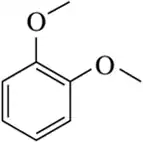
(f)
문제 21a
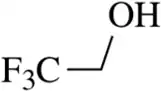
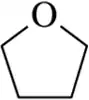
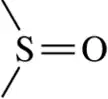
Identify the following solvents as polar protic, polar aprotic, or nonpolar.
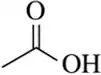
(a)
문제 21c
Identify the following solvents as polar protic, polar aprotic, or nonpolar.
(c)
문제 21e
Identify the following solvents as polar protic, polar aprotic, or nonpolar.
(e)
문제 22a
Which nucleophile would be more reactive in the solvent given?
(a)
문제 22b
Which nucleophile would be more reactive in the solvent given?
(b)
문제 22c
Which nucleophile would be more reactive in the solvent given
(c)
문제 23
Will the following SN2 reaction proceed more rapidly in DMSO or H2O?
문제 24a
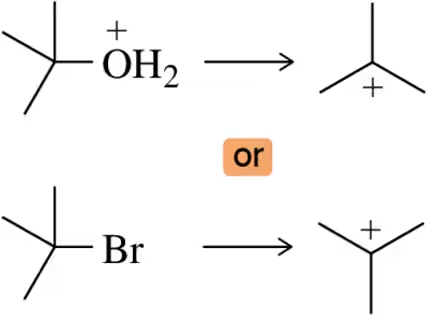
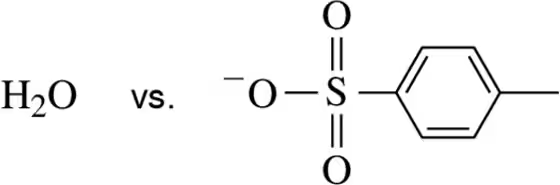
Formation of the carbocation should be fastest for which leaving group?
(a)
문제 24b
Formation of the carbocation should be fastest for which leaving group?
(b)
문제 24c
Formation of the carbocation should be fastest for which leaving group?
(c)
문제 25a
Which of the following is the better leaving group in a polar aprotic solvent?
(a) HO⁻ vs. F⁻
문제 25b
Which of the following is the better leaving group in a polar aprotic solvent?
(b)
문제 25c
Which of the following is the better leaving group in a polar aprotic solvent?
(c) Br ⁻ vs. I ⁻
문제 26
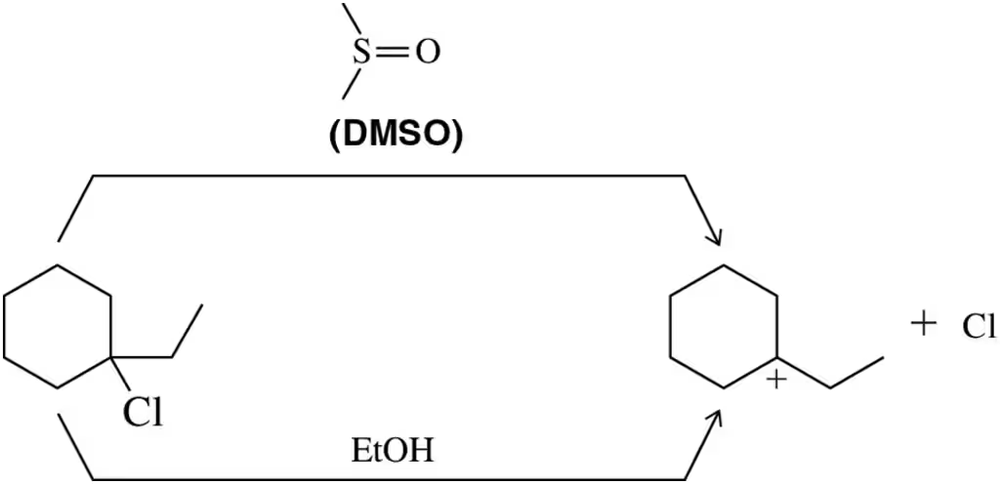
Which reaction would be faster, the one with DMSO as the solvent or the one with ethanol (EtOH)?
문제 27
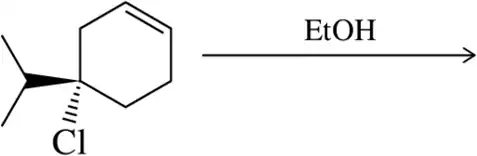
The following reaction, though run under standard solvolysis conditions, occurs via an SN2 reaction. Why?
문제 28a
For each solvent, indicate the most likely substitution reaction to take place.
(a)
문제 28b
For each solvent, indicate the most likely substitution reaction to take place.
(b)
문제 28d
For each solvent, indicate the most likely substitution reaction to take place.
(d)
문제 28e
For each solvent, indicate the most likely substitution reaction to take place.
(e)
문제 28f
For each solvent, indicate the most likely substitution reaction to take place.
(f)
문제 28g
For each solvent, indicate the most likely substitution reaction to take place.
(g)
문제 29a
Would you expect the following conditions to favor SN1 or SN2?
(a)
문제 29b
Would you expect the following conditions to favor SN1 or SN2?
(b)
문제 29d
Would you expect the following conditions to favor SN1 or SN2?
(d)
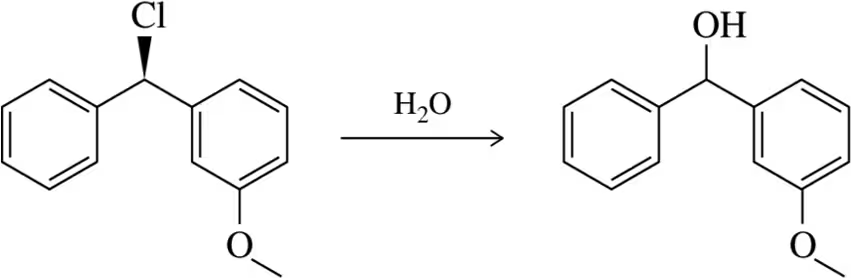
문제 30a
Suggest a mechanism for the following substitution reactions.
(a)
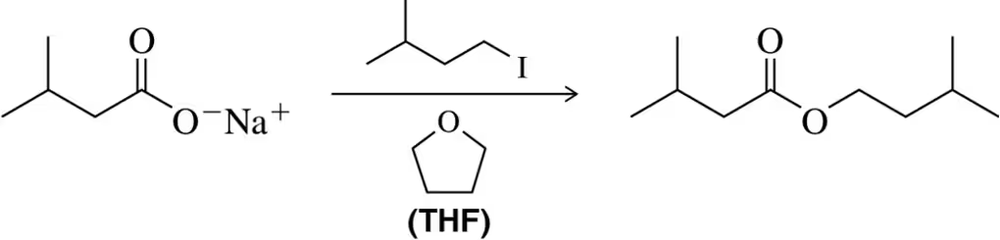
문제 30b
Suggest a mechanism for the following substitution reactions.
(b)
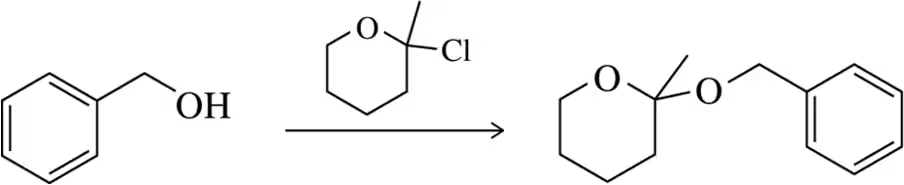
문제 30c
Suggest a mechanism for the following substitution reactions.
(c)