Back

Finding Credible Nutrition Information quiz #1

Control buttons has been changed to "navigation" mode.
1/10
  • Which term best describes a diet that promises quick fixes, miracle cures, or excessively fast weight loss without scientific support?

    A fad diet is best described as a diet that offers quick fixes, miracle cures, or excessively fast weight loss, often lacking scientific support and relying on exaggerated claims.
  • What is a fad diet in the context of nutrition?

    A fad diet is a dietary plan that promotes rapid results, such as quick weight loss or miracle cures, often without credible scientific evidence and typically characterized by unrealistic promises.
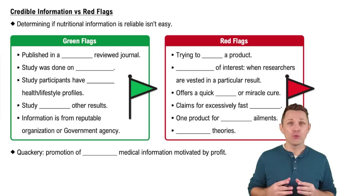
  • What are some red flags that indicate a diet may be a fad diet?

    Red flags for fad diets include promises of quick fixes or miracle cures, excessively fast weight loss, claims that one product can treat many ailments, and promotion by individuals with conflicts of interest or lacking proper qualifications.
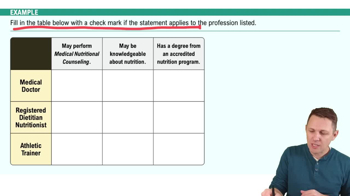
  • Which type of professional is qualified to provide medical nutrition counseling?

    Registered Dietitian Nutritionists (RDNs) and Licensed Dietitian Nutritionists (LDNs) are qualified to provide medical nutrition counseling due to their accredited education and certification.
  • What is quackery in the context of nutrition information?

    Quackery is the promotion of unproven or incorrect medical information, often motivated by profit, such as exaggerated claims about supplements or diets.
  • What type of resource can help you determine your calorie intake accurately?

    A qualified professional such as a Registered Dietitian Nutritionist (RDN) or Licensed Dietitian Nutritionist (LDN) can help you determine your calorie intake accurately, as they have the necessary education and certification.
  • What is the main difference between an RDN and someone who simply calls themselves a nutritionist?

    An RDN has completed accredited education, passed a certification exam, and met professional qualifications, while anyone can legally call themselves a nutritionist without formal training. This distinction is important for ensuring credible nutrition advice.
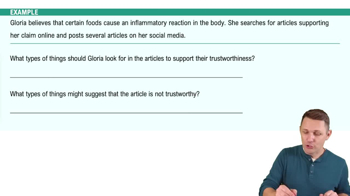
  • Why should you be cautious when receiving nutrition advice from influencers on social media?

    Influencers often promote products based on exaggerated personal claims and may lack proper qualifications. Always ask about their credentials before trusting their advice.
  • How does funding source create a potential conflict of interest in nutrition studies?

    If researchers are funded by a company that benefits from positive results, the study may be less trustworthy. Independent academic funding is generally more reliable.
  • Why is it important to consider whether a nutrition study was conducted on humans or animals?

    Studies on humans are more applicable to human nutrition, while animal studies may not translate directly to people. Advice based on human studies is generally more reliable for making dietary decisions.